Show summary Hide summary
Tighter U.S. emissions rules in the 1970s forced a rethink of off‑road motorcycles, and one model quickly changed the conversation: Yamaha’s big single showed how a dual‑purpose bike could be designed from scratch for a new era. That shift helped redefine recreational motorcycling and shaped the industry’s approach to dirt‑friendly machines.
When regulation met design
As two‑stroke engines dominated off‑road racing, increasing environmental controls in the United States made that path unsustainable. Manufacturers responded by exploring alternatives that met emissions targets without sacrificing capability.
Musician unveils multitool to eliminate reasons people avoid guitar practice
Yamaha marks 50th anniversary of the XT500
Yamaha answered the challenge by introducing a large single‑cylinder machine roughly five decades ago that reframed what a dual‑purpose motorcycle could be—more tractable, easier to maintain, and better suited to stricter standards.
California as an off‑road laboratory
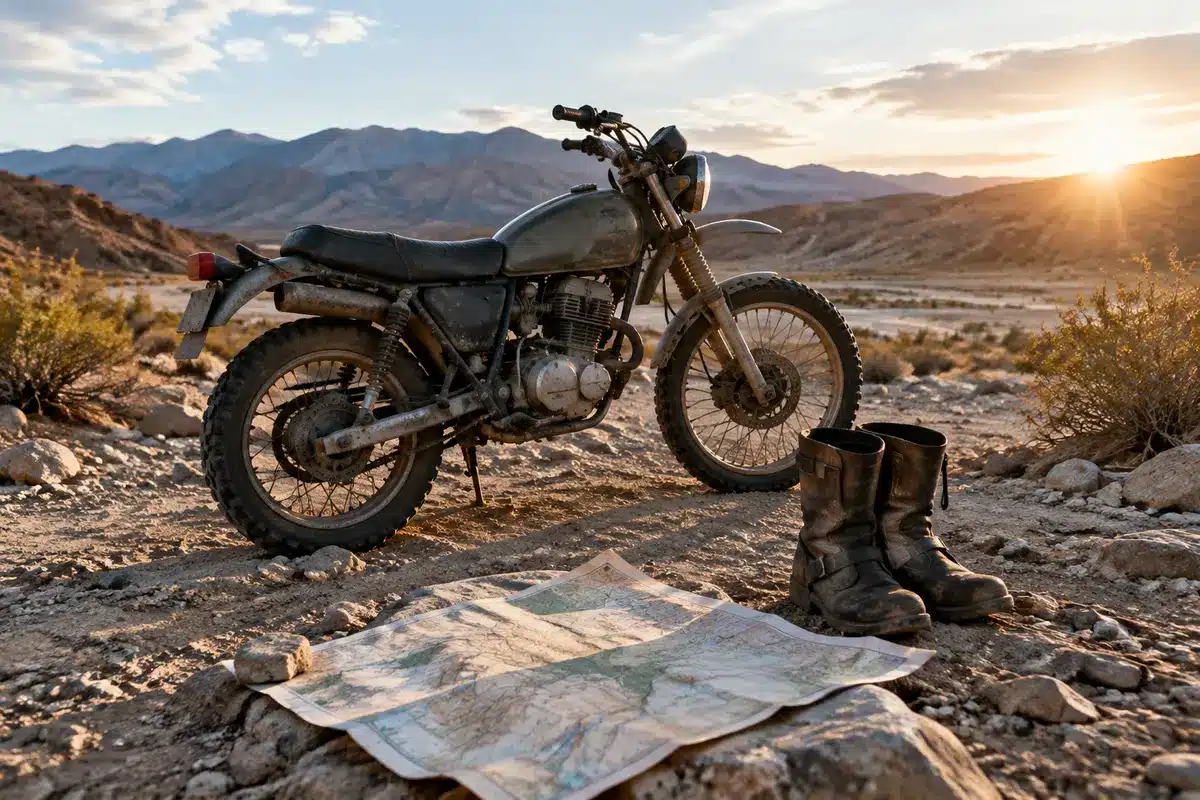
Japanese makers established off‑road research and development outposts on the West Coast decades ago. By the early 1980s, the region had become the industry’s unofficial testing ground, setting trends for bikes built to tackle both trail and street.
Events and media that reshaped the sport
Long before international rallies became household names, endurance desert racing in Baja helped define off‑road durability. The first marathon event in 1967, known as The Mexican 1000, put machines and riders through extreme conditions and predated later legendary rallies by more than a decade.
Documentary filmmaking also left a mark. Bruce Brown’s On Any Sunday (1971) portrayed motorcyclists—amateurs and professionals alike—as focused athletes and enthusiastic everyday riders. The film broadened public perception of motorcycling and helped spur rapid growth in participation.
By 1974 the sport had expanded into new venues: the inaugural U.S. Supercross championship moved motorcycle competition into stadiums, creating a spectator‑friendly format and a different kind of dirt‑riding culture.
From British twins to nimble two‑strokes
Through the 1950s and early ’60s, British parallel twins—often called “desert sleds”—dominated off‑road competition and long‑distance desert runs. Their rugged character made them the go‑to machines for many riders.
By the late 1960s, however, lighter two‑stroke models began to eclipse the larger twins. Bikes such as the Yamaha DT‑1 offered reduced weight and simpler maintenance, traits that suited recreational riders and racers alike.
Manufacturers chase a new market
Recognizing off‑road motorcycles as family‑friendly recreational vehicles, Japanese companies broadened their lineups across the board. They produced a wide range of models to appeal to diverse users—from trail riders looking for reliable transportation to youngsters on scaled‑down machines.
The result was not just more motorcycles but a fundamental change in how people viewed riding: no longer solely a competitive pursuit, it became a lifestyle accessible to a much wider audience.