Show summary Hide summary
The American Historic Racing Motorcycle Association (AHRMA) has moved to award prize money to competitors in an open two-stroke class at the Barber Vintage Festival. The decision spotlights a growing interest in historic two-stroke machinery and could reshape participation and visibility at one of the country’s largest vintage motorcycle gatherings.
What changed at Barber Vintage Festival
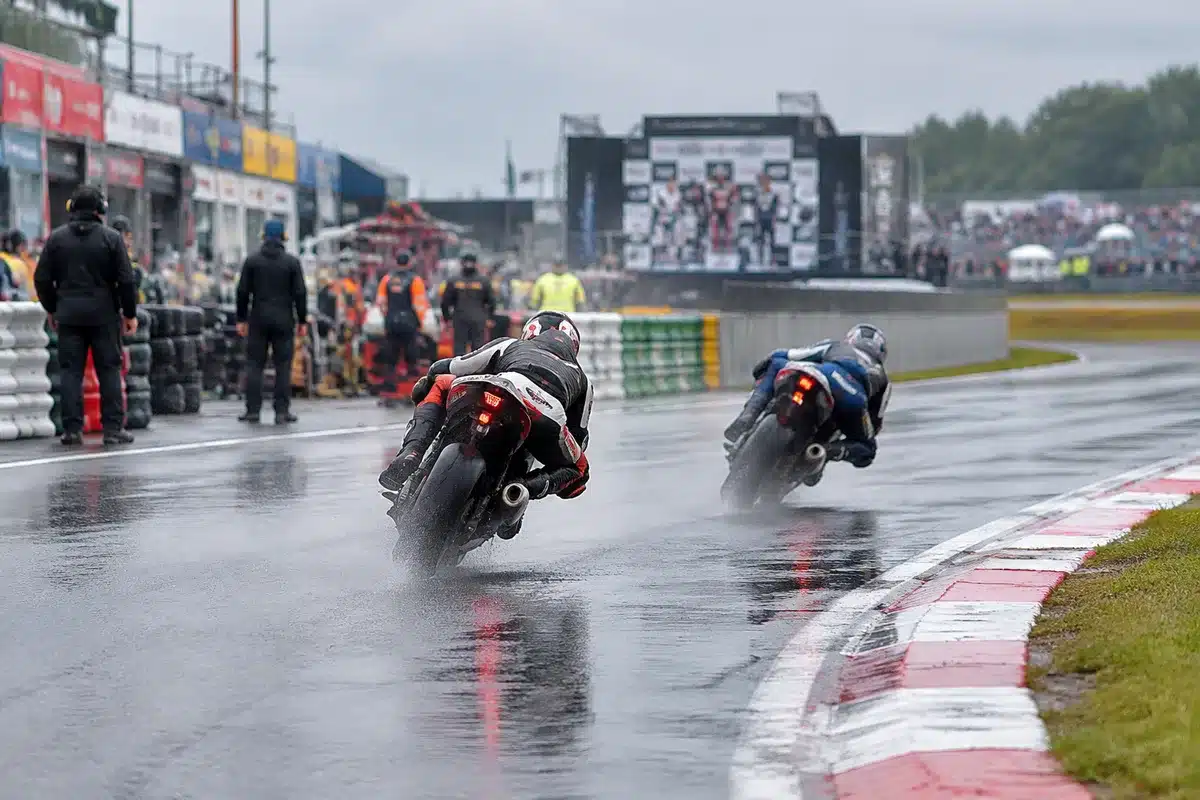
AHRMA’s new prize-money provision applies to an open two-stroke category scheduled to race during the Barber Vintage Festival at Barber Motorsports Park. The adjustment marks a shift from strictly honorific awards toward financial incentives for riders of historic two-stroke machines.
AHRMA announces prize money for Open Two-Stroke class at Barber Vintage Festival
Sony unveils $5,900 Walkman for audiophiles
Organizers have framed the change as an effort to broaden competitive appeal and recognize a class of motorcycles that has a passionate following among vintage racing enthusiasts. The festival, known for its mix of paddock access, museum displays and varied race grids, now includes monetary rewards for the open two-stroke field.
Why two-stroke racing matters to fans and competitors
Two-stroke motorcycles hold a distinct place in racing history. Lightweight and high-revving, they powered many memorable eras of motorcycle competition. For collectors and racers, two-strokes combine nostalgia with a particular type of mechanical drama on track.
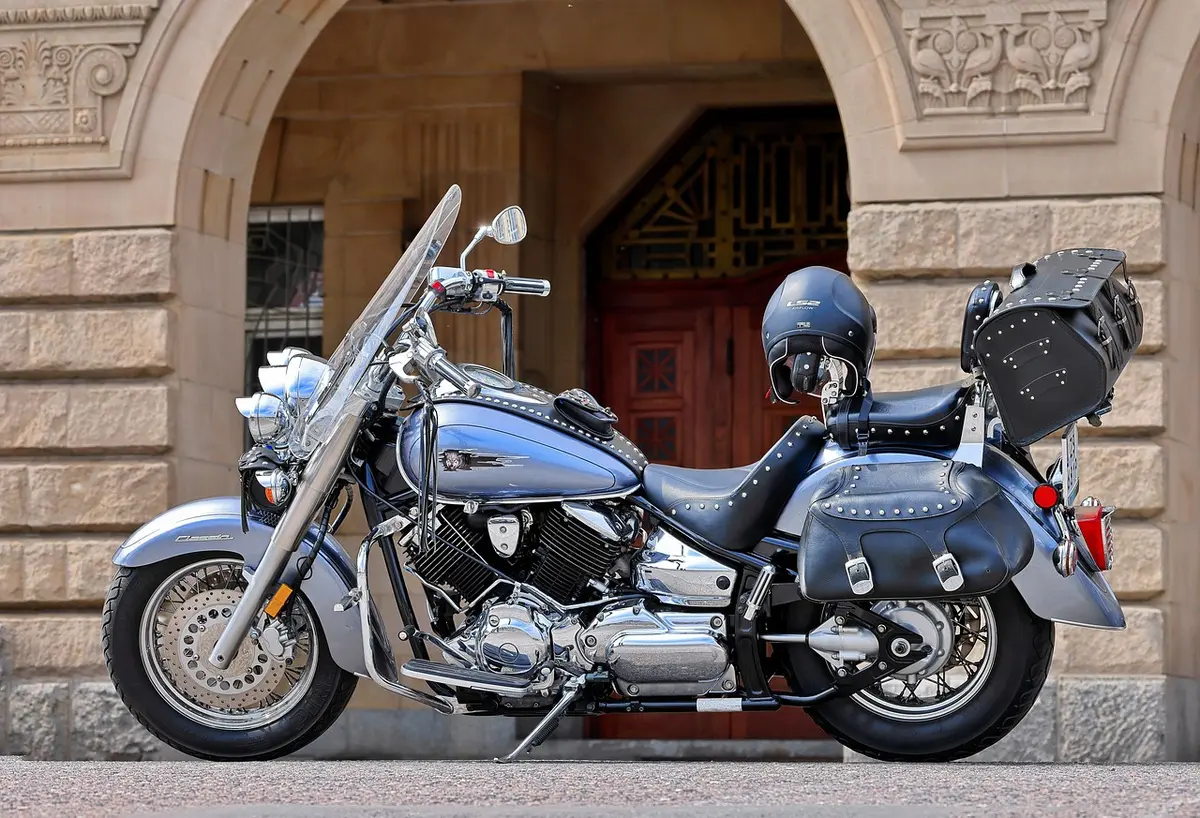
At events like the Barber Vintage Festival, two-stroke classes often draw loyal spectators. The distinct sound and brisk pace of these machines contribute to the event’s atmosphere and help connect newer audiences with the sport’s past.
Potential impact on entries and competition
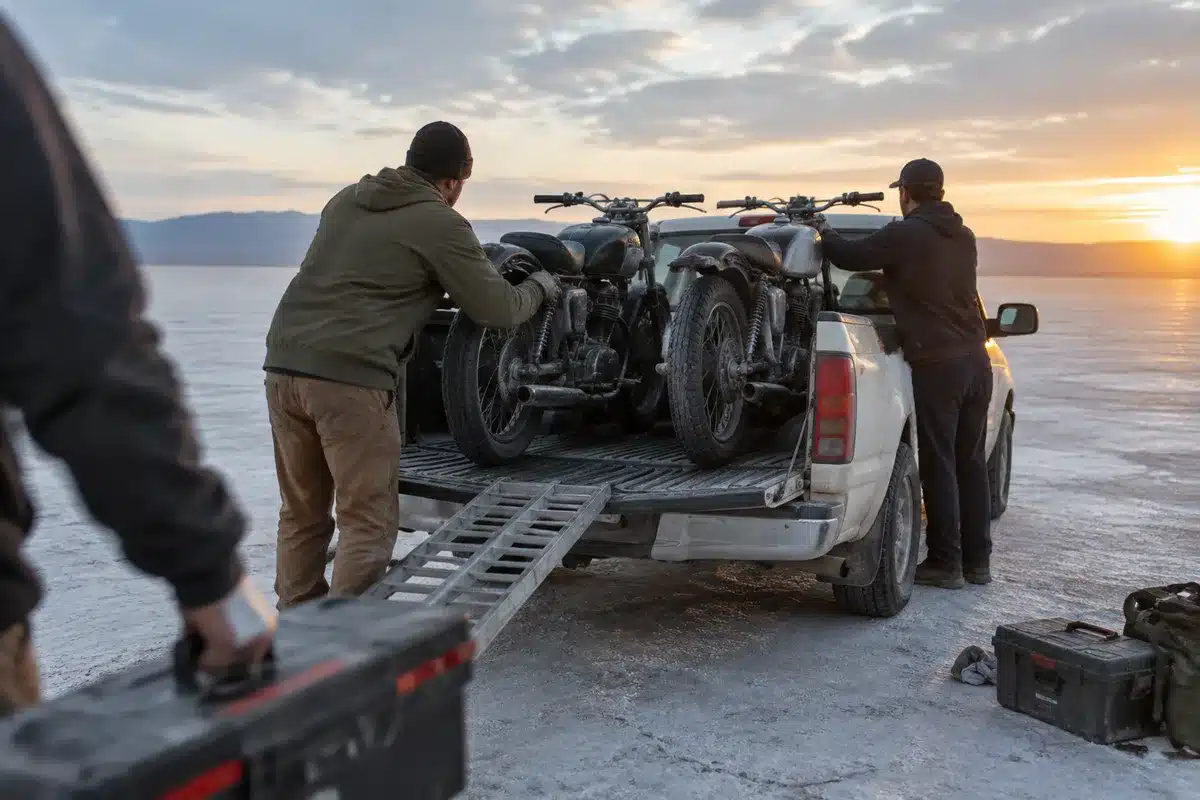
Offering prize money could influence the makeup of the grid. Riders and privateer teams weighing the effort and expense of transporting, preparing, and maintaining historic two-stroke bikes may now find greater justification for attending.
Smaller teams that operate on tight budgets sometimes prioritize events with financial returns. Even modest purses can offset travel costs, encourage fuller starting lines, and increase on-track intensity as competitors chase both prestige and payback.
Broader implications for historic motorcycle racing
The move aligns with a wider trend in vintage motorsport toward balancing celebration and competition. While historic racing emphasizes preservation and enjoyment, targeted incentives can help sustain active participation and keep rare machines on the track rather than parked in private collections.
Promoting an open two-stroke class also highlights the technical diversity within vintage fields. That diversity supports a richer program for fans and can stimulate interest among sponsors, vendors, and media that cover the festival.
What to expect at the event
Attendees should see a concentrated showing of two-stroke machines across practice sessions and races. The paddock is likely to include a mix of restored originals, carefully prepared replicas, and riders focused on competition rather than exhibition.
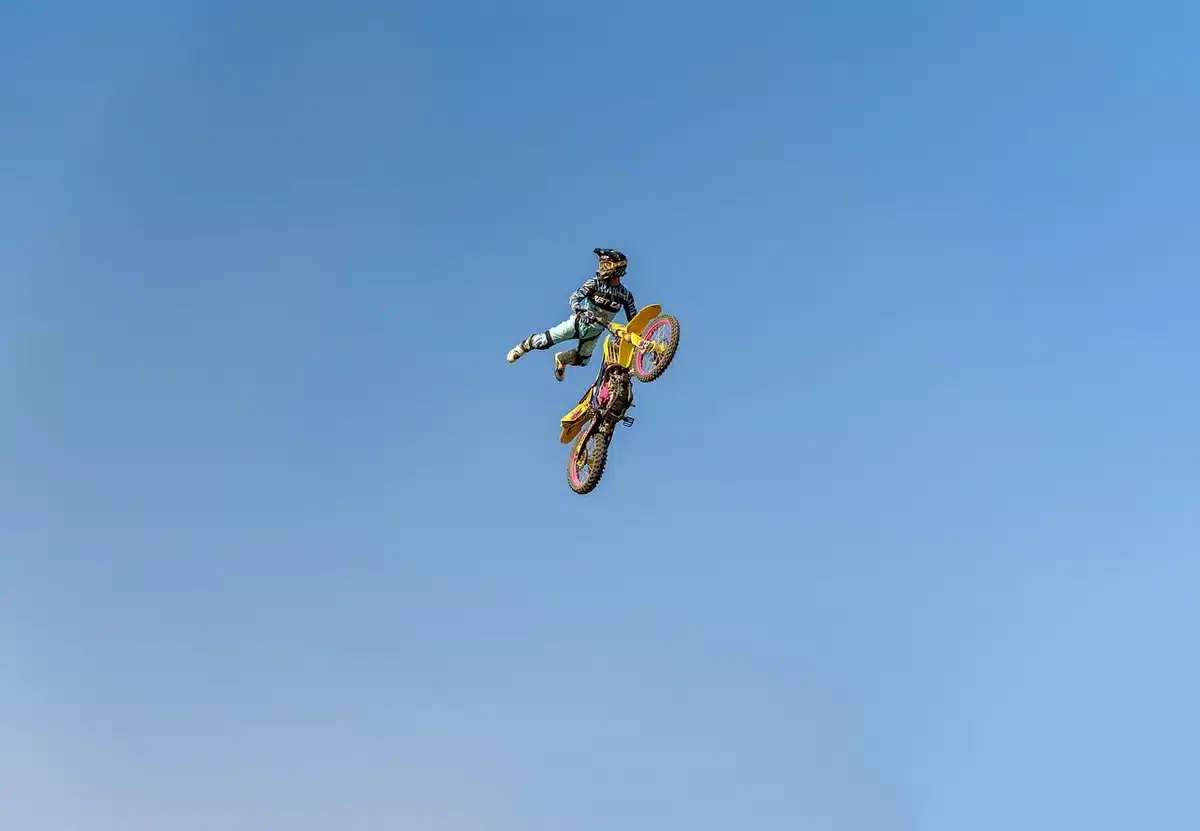
Beyond the races, the festival’s museum displays and demonstrations will continue to provide context for the machines on track, linking present competition with historical development of motorcycle engineering and racing culture.
Reactions within the vintage community
Response among enthusiasts tends to be mixed when competitions introduce prize money. Some view it as a necessary step to keep grids healthy and active. Others worry that introducing financial incentives could shift focus away from preservation and historical authenticity.
For now, the change at Barber will serve as a test case. How riders, owners, and event organizers adapt could influence policy at other vintage meets where two-stroke classes remain popular.
Practical considerations for participants
- Riders planning to enter the open two-stroke class will need to confirm eligibility and any technical regulations with AHRMA.
- Teams should budget for travel, spares, and support, while noting that prize money may partially offset these costs.
- Paddock logistics and support services at Barber are well established, but two-stroke engines have specific maintenance needs that entrants should plan for.
By attaching prize money to a historically significant category, AHRMA and the Barber Vintage Festival have taken a step that could alter participation patterns and attention around vintage two-stroke racing. Observers will watch whether the incentive encourages broader grids, deeper competition, and renewed interest in a storied class of motorcycles.