
Show summary Hide summary
The Motul Grand Prix of Japan returns to the MotoGP calendar with familiar challenges: a stop‑start layout that punishes overly aggressive braking, strong home interest around Japanese manufacturers, and weather that can shift the weekend’s balance. This preview outlines what matters at Twin Ring Motegi and which technical and tactical battles are likely to decide the race.
Why Motegi still matters
Twin Ring Motegi is a circuit that rewards acceleration, traction and braking stability more than outright top speed. Its layout mixes a long run into a heavy braking zone with a series of tight, second‑and‑third‑gear corners. That combination exposes weaknesses in chassis and electronics, and it often produces dramatic position changes at the end of the long straight.
MotoGP previews the Motul Grand Prix of Japan
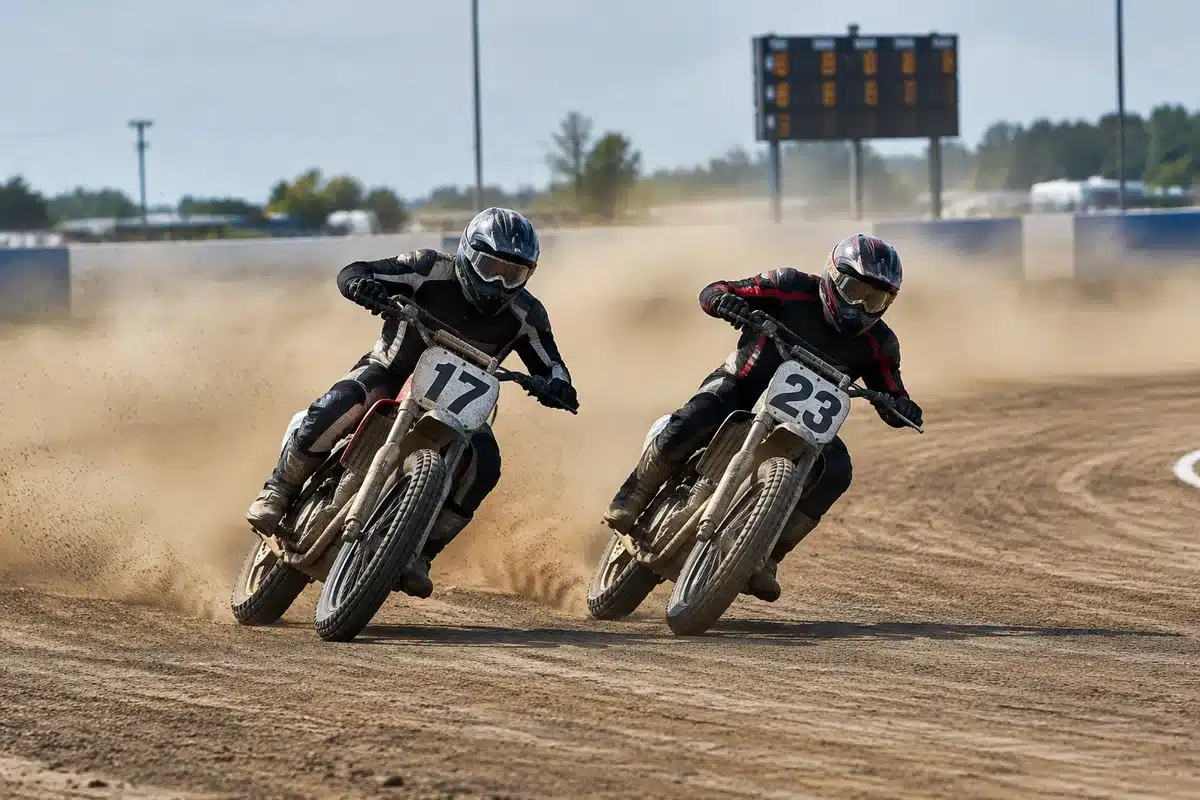
Fisher edges Drane by 0.009 seconds to win Caterpillar Springfield Mile II finale
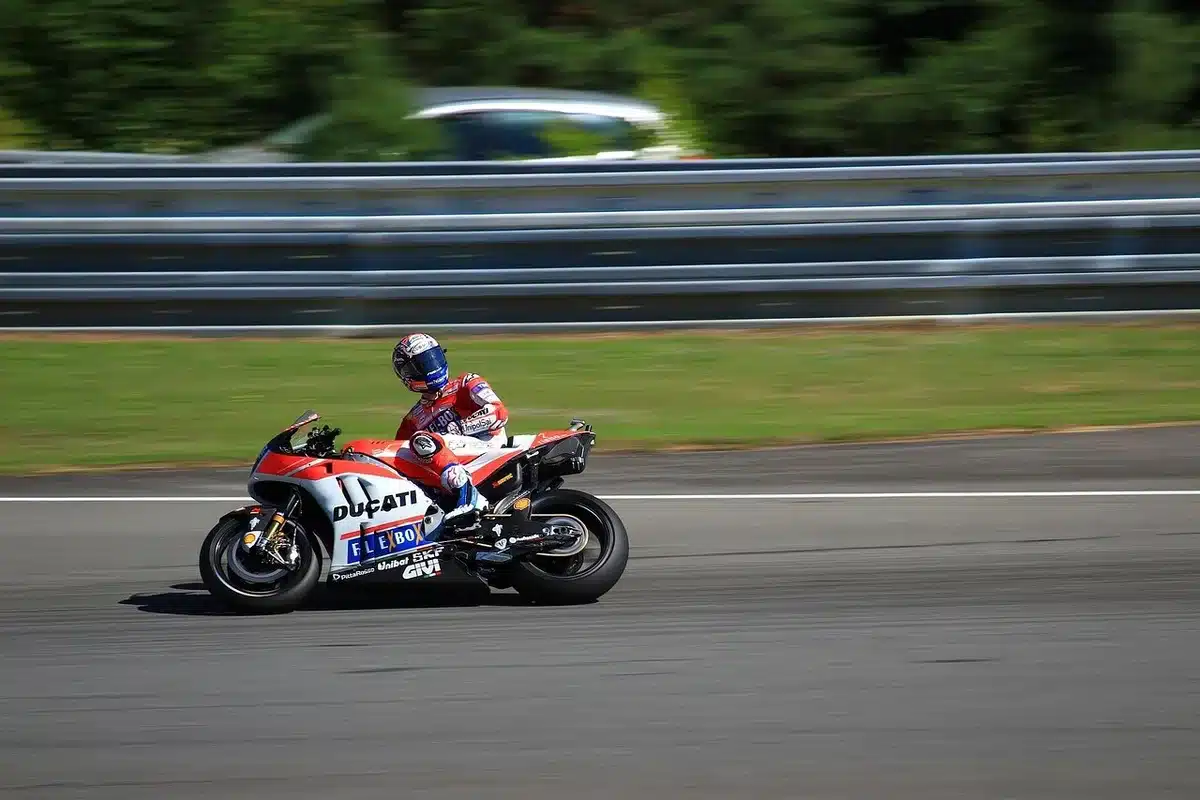
For teams, Motegi is an important data point on race setup: how a bike behaves under repeated, severe deceleration and how tyres cope with alternating high loads and low‑speed corners. For fans, it is one of the more predictable tracks for late‑race overtakes, which makes it a natural place to watch title battles tighten or loosen.
Key storylines to watch
- Traction and braking: Which manufacturers and setups will convert the long straight into clean passing opportunities?
- Tyre management: Will compounds hold up under the stop‑start pattern, or will degradation shape pit strategies and late‑race pace?
- Home factory performance: Japanese marques and satellite teams typically draw attention here—expect extra scrutiny on factory bikes and local riders.
- Weather and track temperature: Rain or shifting temperatures can flip the weekend outlook quickly, influencing setup choices and qualifying tactics.
Technical angles: what engineers will focus on
Teams spend Motegi practice sessions hunting for a balance between a stiff enough rear to launch out of slow corners and a compliant enough chassis to keep the front end stable under heavy braking. Electronics settings—traction control and engine braking—are critical because small adjustments can prevent wheelspin on corner exit or help a rider close the braking window into Turn 1.
Brake wear is another technical concern. The repeated heavy stops generate heat, and engineers monitor both pad and disc performance to avoid fade. Pit crews also pay close attention to gearing choices: a setup too tall sacrifices acceleration out of the hairpins; too short can compromise speed on the long straight.
Racecraft: where passes are made
The most likely overtaking zone is the end of the long straight leading into the heavy braking point. Riders who can get a strong drive out of the preceding corner and carry stable speed under deceleration gain a clear advantage. Inside lines through the slow chicanes later in the lap offer opportunistic moves, especially when tyre life becomes a factor.
Expect battles to favor riders who combine calm braking technique with late, confident acceleration. Motegi rarely rewards flat‑out aggression that overwhelms the bike; instead, measured approaches and strategic slipstream use tend to decide the podium places.
Fan and paddock atmosphere
Motegi weekends draw strong domestic support and a busy paddock, particularly around manufacturer hospitality areas. That local interest often translates into extra motivation for factory riders and visibility for Japanese teams and sponsors. Support classes—Moto2 and Moto3—add depth to the weekend narrative, frequently showcasing young talents who could step up in the future.
Uncertainties that could reshape the weekend
Weather remains the biggest wildcard. A sudden rain shower can make qualifying order irrelevant and reward teams that adapt setups quickly. Mechanical reliability is another factor; the heavy braking demands put components under stress and occasionally force last‑minute changes.
Finally, tyre selection and how compounds behave over race distance can dramatically alter expected outcomes. Teams that predict tyre drop accurately and manage their riders’ pace accordingly often pick up unexpected gains in the closing laps.
What this means for the championship
Motegi can be a decisive venue for momentum. Strong results here validate setup philosophies and give riders confidence heading into the final block of the season. Conversely, a poor weekend—whether caused by setup errors, tyre failures or weather—can create pressure that carries into subsequent rounds.
With its technical demands and unpredictable elements, the Motul Grand Prix of Japan remains a proving ground for machines and riders alike. Expect tight qualifying battles, tactical races, and the kind of late moves that make this round a highlight on the MotoGP calendar.