Show summary Hide summary
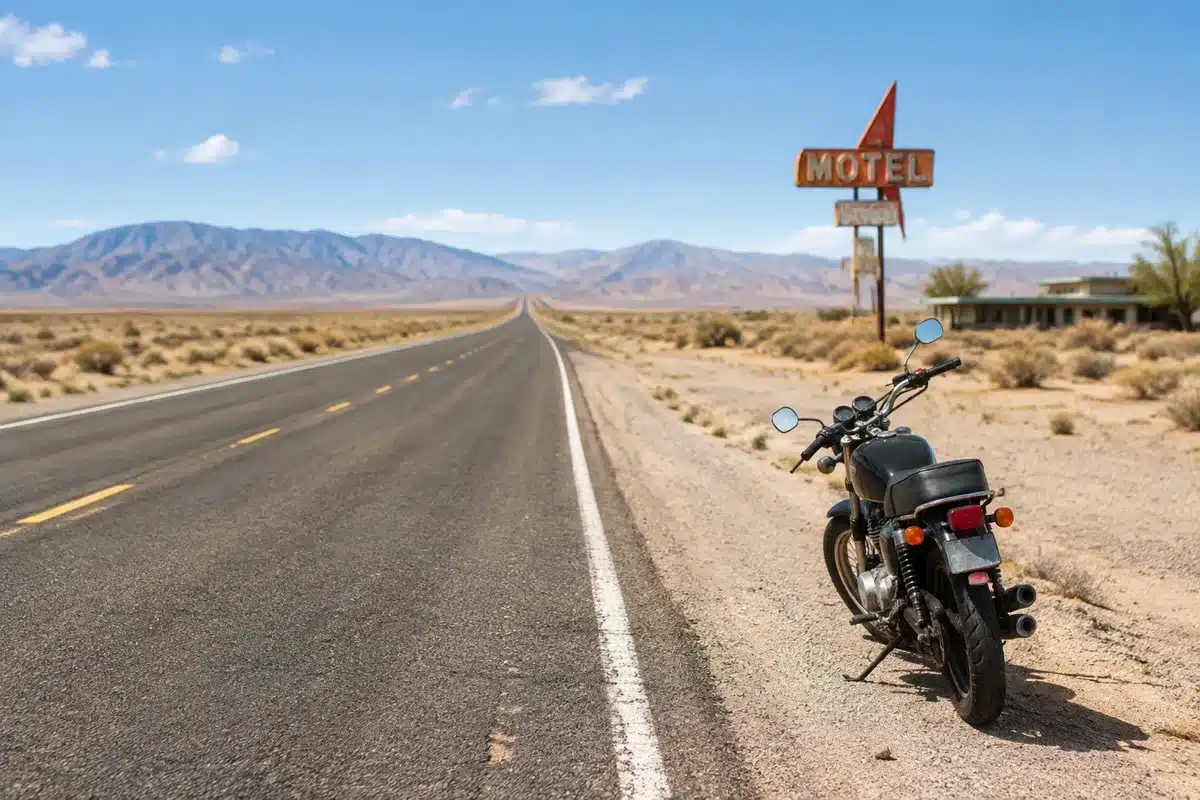
Built in 1926, Route 66 did more than connect towns — it rewrote how Americans imagine travel. What began as a practical highway evolved into a cultural touchstone, influencing music, literature, film, and the image of the open road.
From pavement to legend
Originally created as a connector across several states, Route 66 gained its mythic status through stories rather than by design. Travelers, writers, and performers turned asphalt and roadside businesses into symbols of freedom and change.
MotoGP previews the Motul Grand Prix of Japan
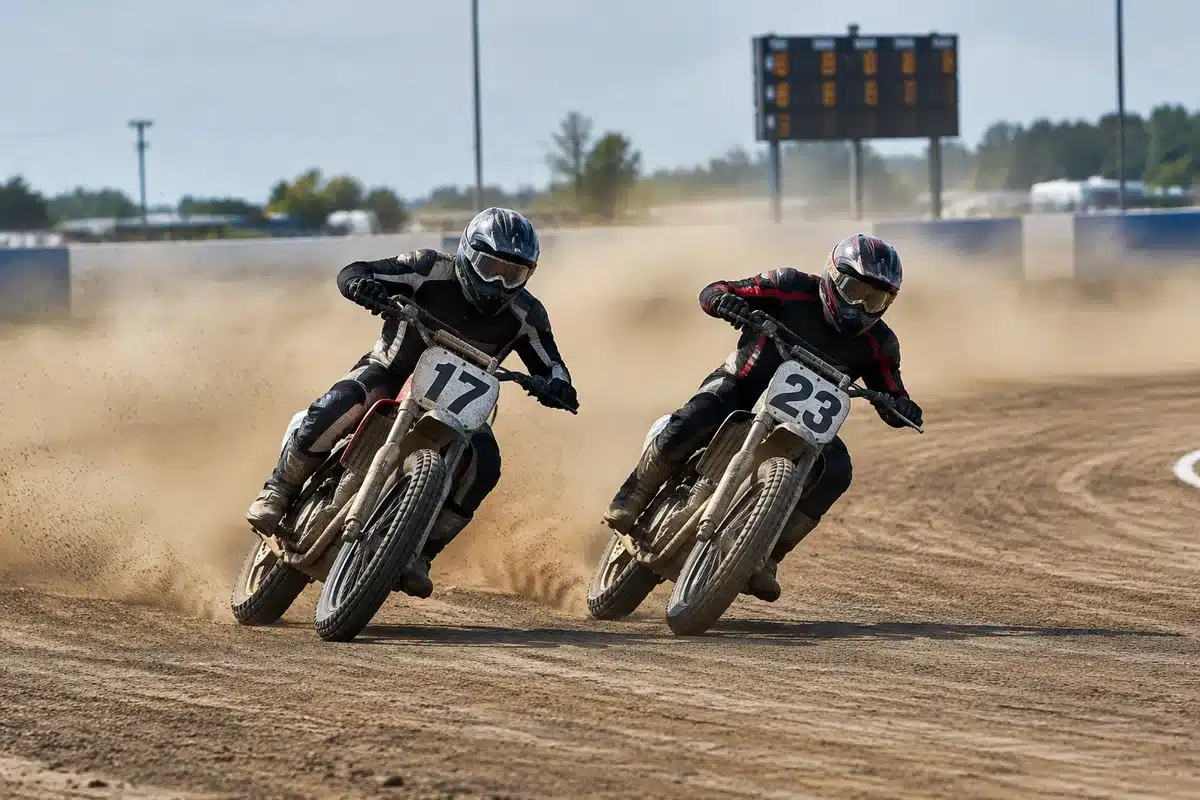
Fisher edges Drane by 0.009 seconds to win Caterpillar Springfield Mile II finale
That transformation happened slowly. Local voices, then national media, amplified scenes from small towns and rest stops until the route mattered as much for its narrative as for its function.
The song that named a journey
One of the highway’s earliest mass‑audience ambassadors was the tune now synonymous with the road. Recorded by Nat King Cole in 1946, “(Get Your Kicks On) Route 66” listed towns along the way and made routine city names feel like destinations.

Cover versions by artists such as Chuck Berry and The Rolling Stones extended the song’s reach, helping listeners imagine adventure close to home rather than only in faraway places.
Stories on the page
Literature also fixed Route 66 in the national imagination. John Steinbeck used the route in The Grapes of Wrath, christening it the “Mother Road” and portraying it as both escape and hardship for families in flight from the Dust Bowl.
Decades later, historian Michael Wallis revisited the corridor. His 1990 book, Route 66: The Mother Road, cataloged neon signs, faded motels, and local resilience, helping spur renewed interest in the highway’s cultural landscape.
Screen time: television and animation
Hollywood and television adopted Route 66 as setting and symbol. The 1960s TV show titled Route 66 used the road as shorthand for youthful restlessness and shifting American scenes.
More recently, Pixar’s film Cars introduced younger audiences to the fate of towns bypassed by the interstate system, bringing places such as Tucumcari and Seligman into family travel conversations.
Two icons meet: the road and the bike
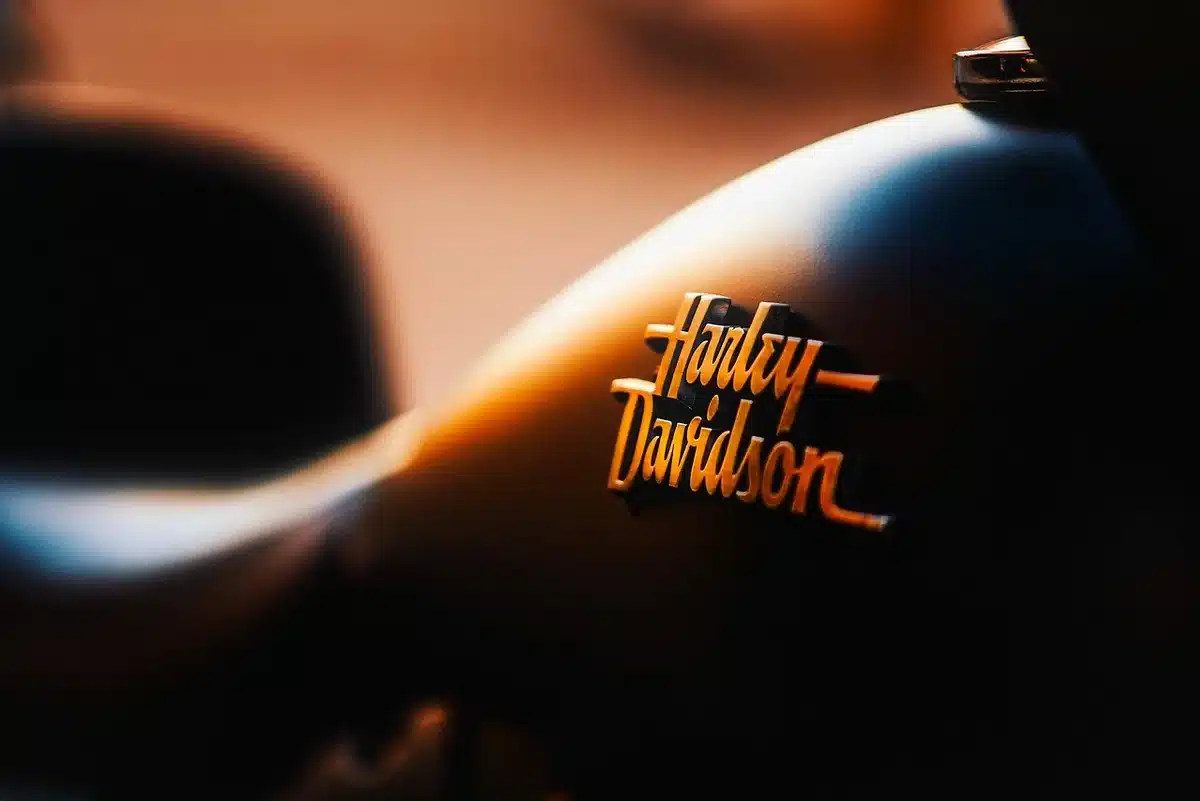
No account of the route’s image is complete without motorcycles. Harley‑Davidson and Route 66 became visual partners: the road suggested possibility, and the motorcycle supplied a defiant mode of travel.
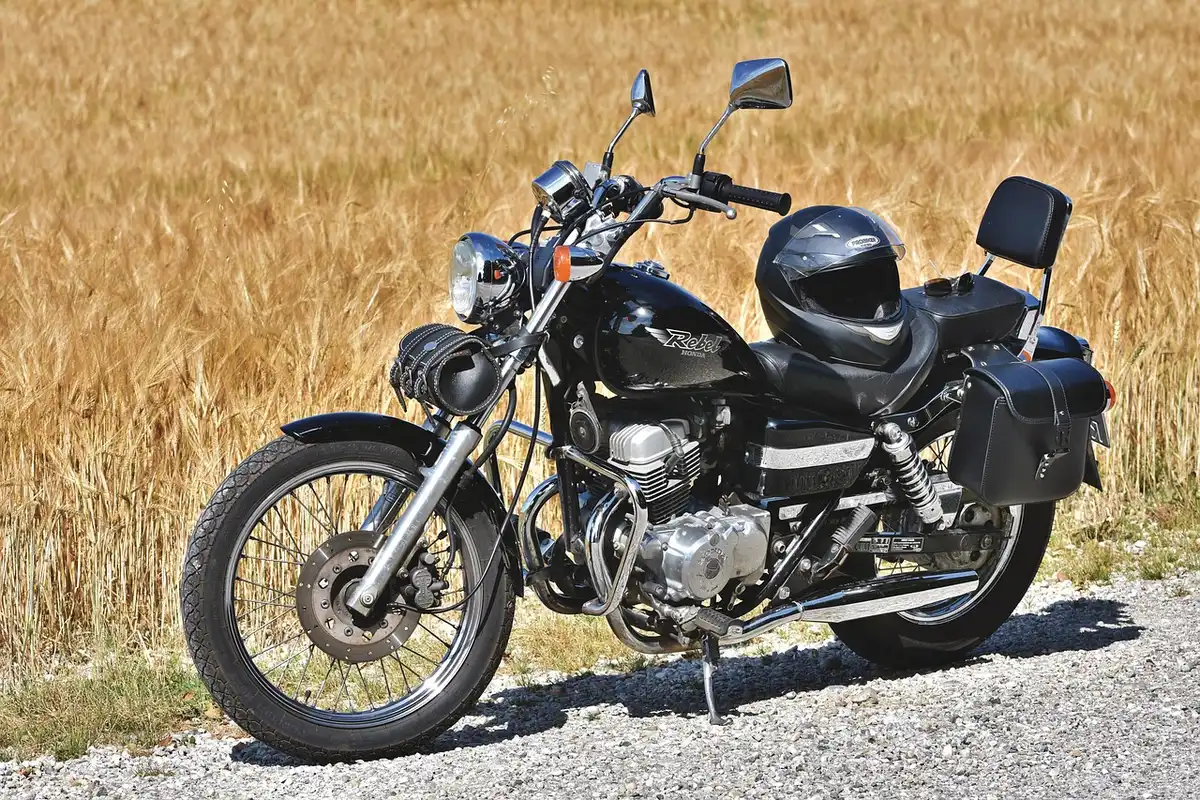
Harley didn’t invent the outlaw rider stereotype, but the brand helped amplify it. The pairing of thundering V‑twin engines and endless horizon became a lasting emblem of individualism and escape.
The lasting appeal
What keeps Route 66 alive in popular culture is its mixture of hardship and hope, decay and revival. It endures because people keep telling stories about leaving, finding, and remaking themselves along a ribbon of road.
Drive it today and you’ll encounter relics and restorations, neon and quiet stretches — reminders that the highway’s cultural life grew from many small, human moments, not from any single decision or design.