Show summary Hide summary
Many veteran riders quickly blame younger generations when motorcycle registrations slip. That reflex ignores a practical shift: fewer young people encounter bikes casually, or get informal chances to learn on a neighbor’s or relative’s machine.
Beyond the familiar complaint
It’s a common refrain: “Kids these days aren’t interested in riding.” Even riders who love the sport admit to thinking this. But the statement often rests on assumption rather than examination.
Instead of treating disinterest as an intrinsic trait of a generation, it helps to ask what changed in the environment that once made riding accessible and appealing.
An overlooked change: everyday access
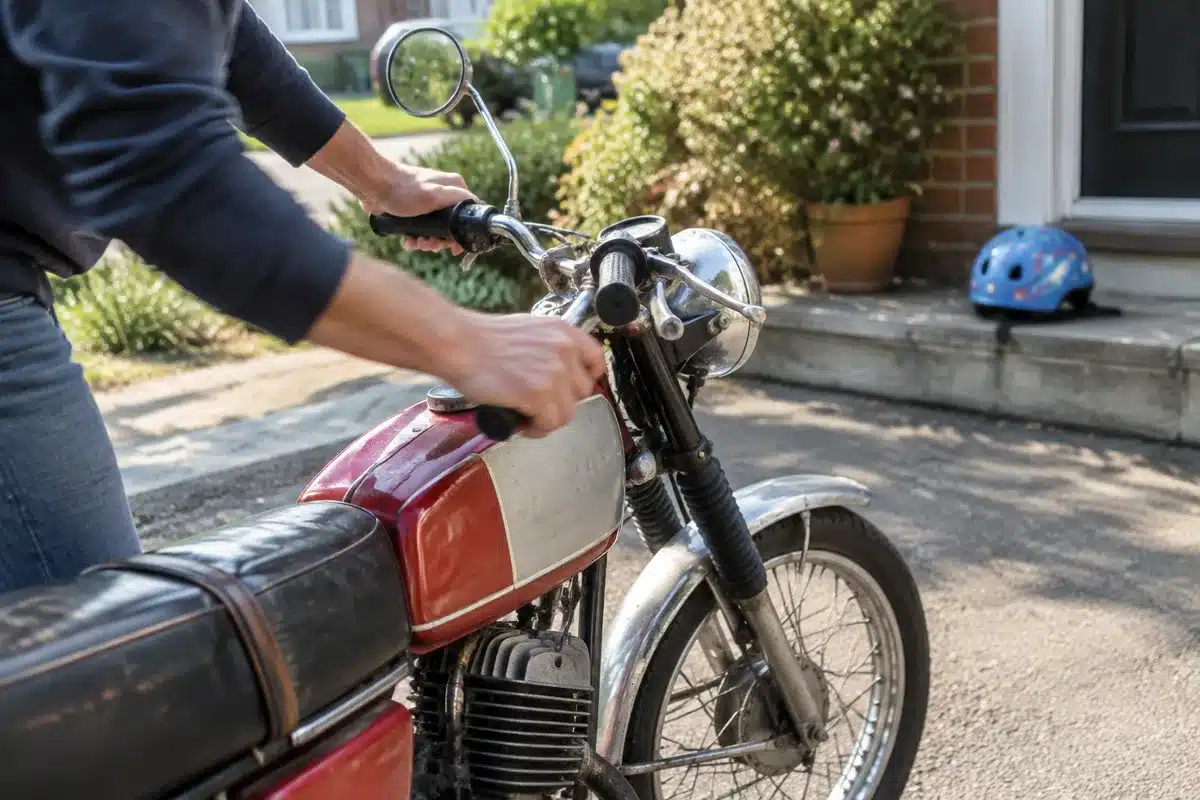
For many older riders, motorcycles were part of the neighborhood fabric. A cousin, an uncle, or a neighbor often owned a bike and would let a curious kid take a ride. Those casual encounters created low-barrier paths into motorcycling.

Advice was practical and immediate. Kids were told things like, in everyday terms, that they could ride any machine they could lift, or that if they could kickstart a bike they were ready to try it. Those rules-of-thumb functioned as informal training and encouragement.
Why the setting mattered
The physical and social surroundings also helped. Suburban streets often had looser norms about what youths could try, and that created safe spaces to learn and make mistakes. That blend of visibility, mentorship and permissive space lowered the hurdle to first rides.

When those conditions fade—fewer neighborly bikes, less informal mentoring and stricter local attitudes—opportunities for spontaneous entry into riding shrink. The result can look like a generational lack of interest, while actually reflecting changes in access and culture.
Shifting the focus
Pointing fingers at young people misses a usable insight: if the goal is to broaden riding among future generations, attention should include how to restore or replace the everyday entry points that once brought people into the sport.
Thinking in terms of access, visibility and informal learning reframes the problem. It moves the conversation from blame toward practical questions about how the riding community and policymakers might create fresh pathways for newcomers.