Show summary Hide summary
If the idea of exploring trails, desert tracks or backcountry fire roads appeals to you, choosing the right bike matters more than you might expect. Off-road machines are purpose-built for very different tasks — from short, brutal moto races to long, road-and-dirt expeditions — and picking the wrong style can quickly turn a good day into frustration.
An introduction to off-road bike categories
Off-road motorcycles share a common capability: they can handle loose, uneven ground that would unsettle most street bikes. Beyond that, each class is optimized for a specific job. Below are the main types riders encounter and what each is best at.
Motocross (MX)
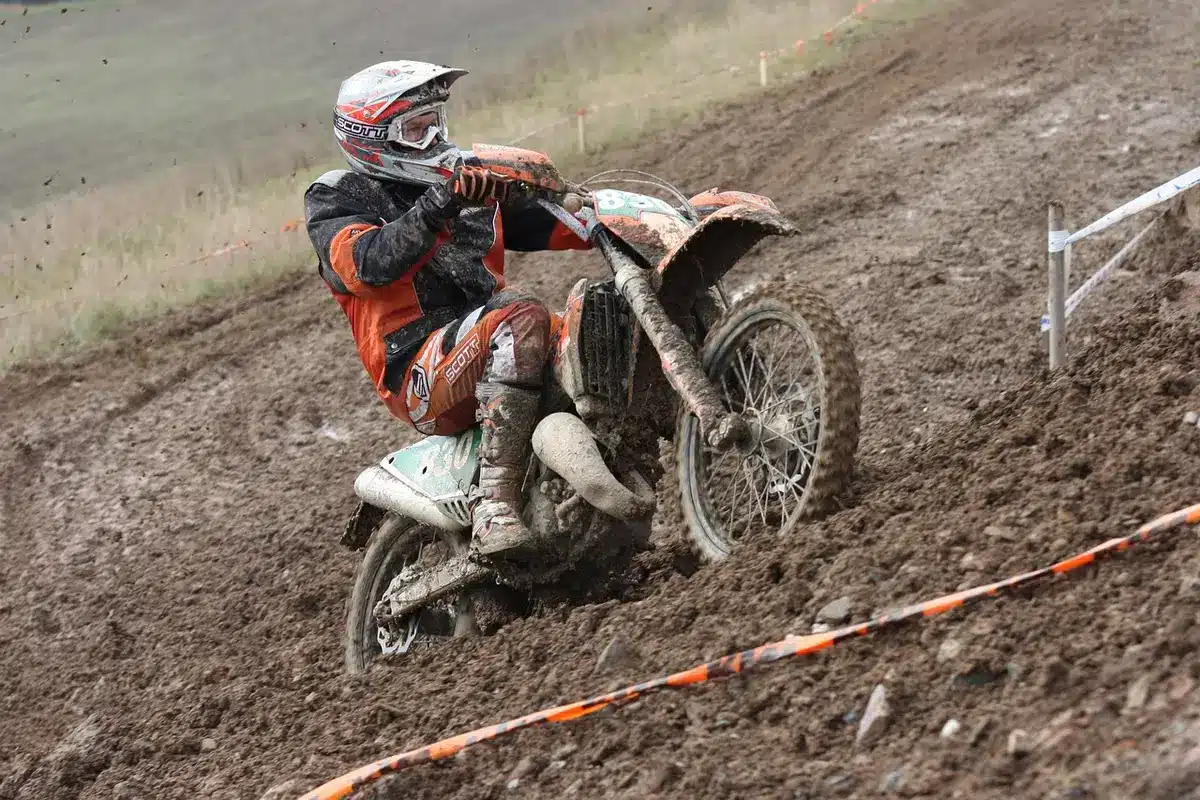
Motocross machines are race-focused, built to be light, loud, and aggressive on closed courses full of jumps, whoops and berms. They are high-performance tools rather than practical trail bikes: expect tall seat heights, minimal creature comforts and an emphasis on peak power.

Most MX models use single‑cylinder four‑stroke engines in 250cc or 450cc formats and are tuned for explosive performance. Typical street-legal items such as lights, mirrors and gauges are absent. Examples from Yamaha include the YZ450F — a flagship four‑stroke seen in professional competition — and the two‑stroke YZ125, which is prized for its simplicity, light weight and playful character despite needing more frequent maintenance.
Enduro / Cross-Country
If you prefer long, technical trail rides over track sprints, enduro or cross‑country bikes bridge the gap between race hardware and trail practicality. Many are derived from motocross platforms but adjusted for prolonged rides through roots, rocks and water crossings.
Compared with pure MX bikes, enduro models typically have suspension tuned for compliance rather than absolute stiffness, wider gear ratios (sometimes an extra sixth gear), larger fuel tanks and beefed-up cooling. They may include lights and other features aimed at extended off-road use. Yamaha’s YZ250FX and WR250F illustrate the differences: the YZ250FX adapts MX architecture for trail mapping and gearing, while the WR250F adds quieter exhausts and lighting to meet off-road regulations.
Dual‑Sport
Dual‑sport motorcycles arrive from the factory ready for both pavement and unpaved tracks. They carry the legal hardware — mirrors, signals and license‑plate mounts — allowing riders to ride to the trailhead rather than trailer their bike. That convenience comes at a cost: emissions equipment and DOT gear add weight, and engines and suspension are generally tuned for longevity and comfort over outright performance.

Smaller dual‑sports often serve as accessible introductions to off‑road riding. Yamaha’s XT250 is an example: an air‑cooled, simple platform that’s reliable and affordable, and well suited to learners or riders who want straightforward versatility rather than high-speed capability.
Trail Bikes
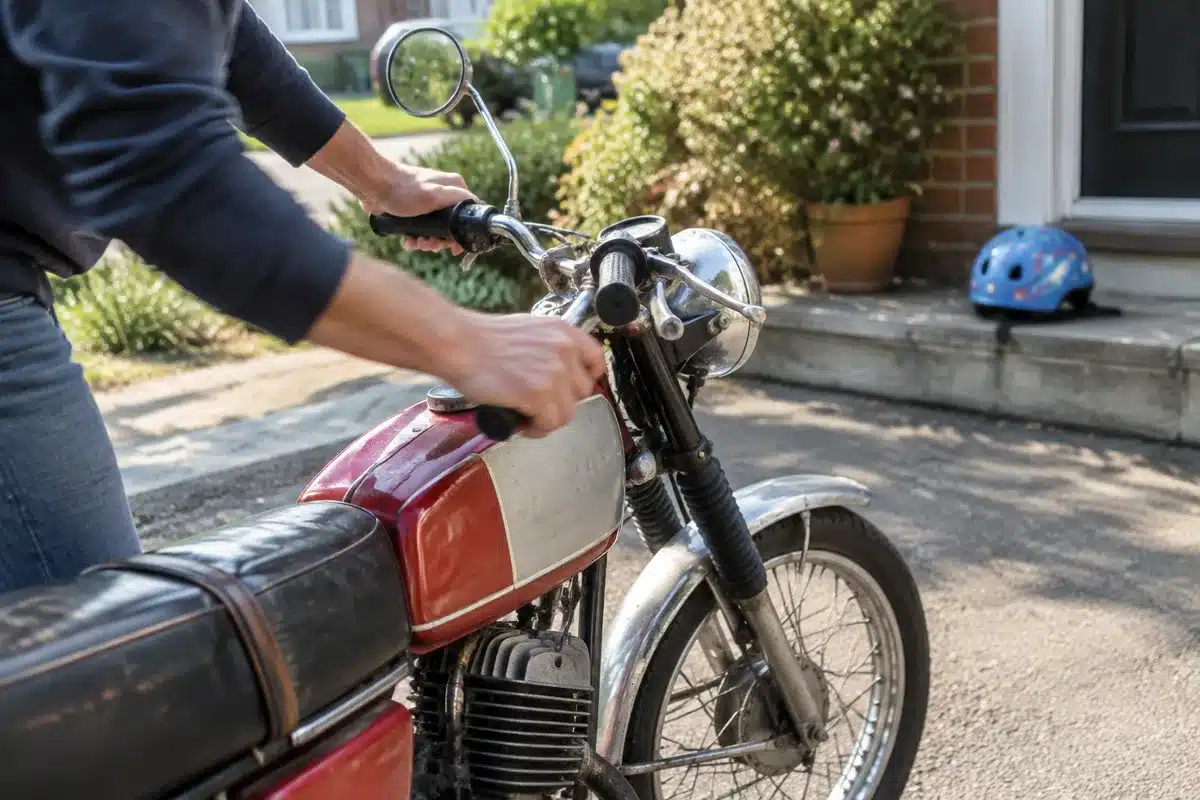
Often thought of as learner machines, trail bikes are small, low-powered and forgiving. They’re ideal for children, new riders or adults who want a light, low-maintenance bike for casual trails or campground runs. Models like the PW50 or TT‑R230 are built for low speed confidence and manageable handling rather than competition.
Adventure (ADV) Bikes
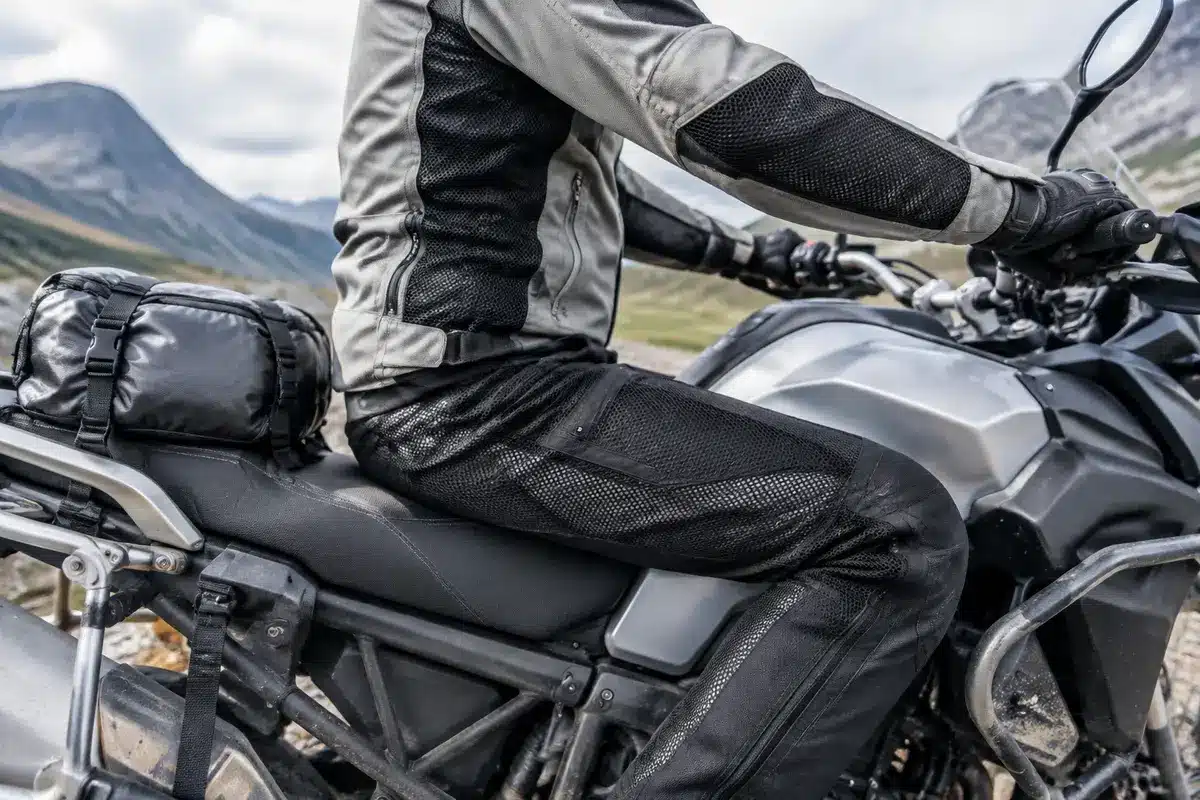
Adventure motorcycles are the most versatile class: designed to perform on highways, city streets and unpaved tracks. They blend touring comfort with off-road capability, but there is a wide spectrum within the category. Weight, engine size and electronics determine whether an ADV is genuinely off-road ready or mostly a long‑distance street bike with dirt pretensions.
Lightweight ADV
Lightweight adventure bikes favor off‑road agility and are easier to handle for less experienced riders. They typically have smaller engines and lighter frames, simpler electronics and enough capability for modest off‑pavement journeys while remaining more affordable than larger machines.
Middleweight ADV
For many riders, the middleweight segment strikes the best balance between road manners and real off‑road ability. These bikes are powerful enough for sustained highway travel yet light and nimble enough for trails.
- Roughly 60–90 horsepower
- Long‑travel suspension with a 21‑inch front wheel
- Dirt‑oriented tires and protective components
- Manageable curb weight (some under 500 lb fueled)
Yamaha’s Ténéré 700 exemplifies this zone: a parallel‑twin engine in a chassis tuned for 21/18 wheels, long travel suspension and a balance that rewards skilled riders without overwhelming newcomers. With the right modifications, a middleweight ADV can be a serious off‑road tool while still touring comfortably on pavement.
Heavyweight ADV
Heavyweight adventure bikes are purpose‑built for long-distance touring and extreme conditions. They combine large fuel tanks, high horsepower, sophisticated electronics and premium suspension to support world travel and harsh terrain. That capability comes with trade‑offs: significant mass, complex systems and a higher price tag.
These machines often exceed 100 horsepower, carry multi‑gallon tanks and include advanced rider aids such as multiple ride modes and cornering ABS. Yamaha previously offered the Super Ténéré 1200 in this space — a shaft‑driven parallel‑twin intended for big miles — but the brand no longer maintains a current model in the heavyweight ADV class.
What to expect on your first rides
No matter which category you choose, dirt riding comes with predictable challenges: you will get muddy, you will likely drop the bike at least once, and technical sections will test your limits. Proper protective gear and realistic expectations go a long way toward keeping you safe and improving your progress on the trail.
Motorcycle.com has produced a video companion to this guide as part of a new rider series; the series is sponsored by Yamaha.