Show summary Hide summary
A single navigational error in the Libyan desert set in motion one of motorsport’s most enduring spectacles. What began as a stranded driver’s encounter with a forbidding landscape evolved into the global phenomenon known as the Paris–Dakar Rally.
A wrong turn on the Tchigai Plateau
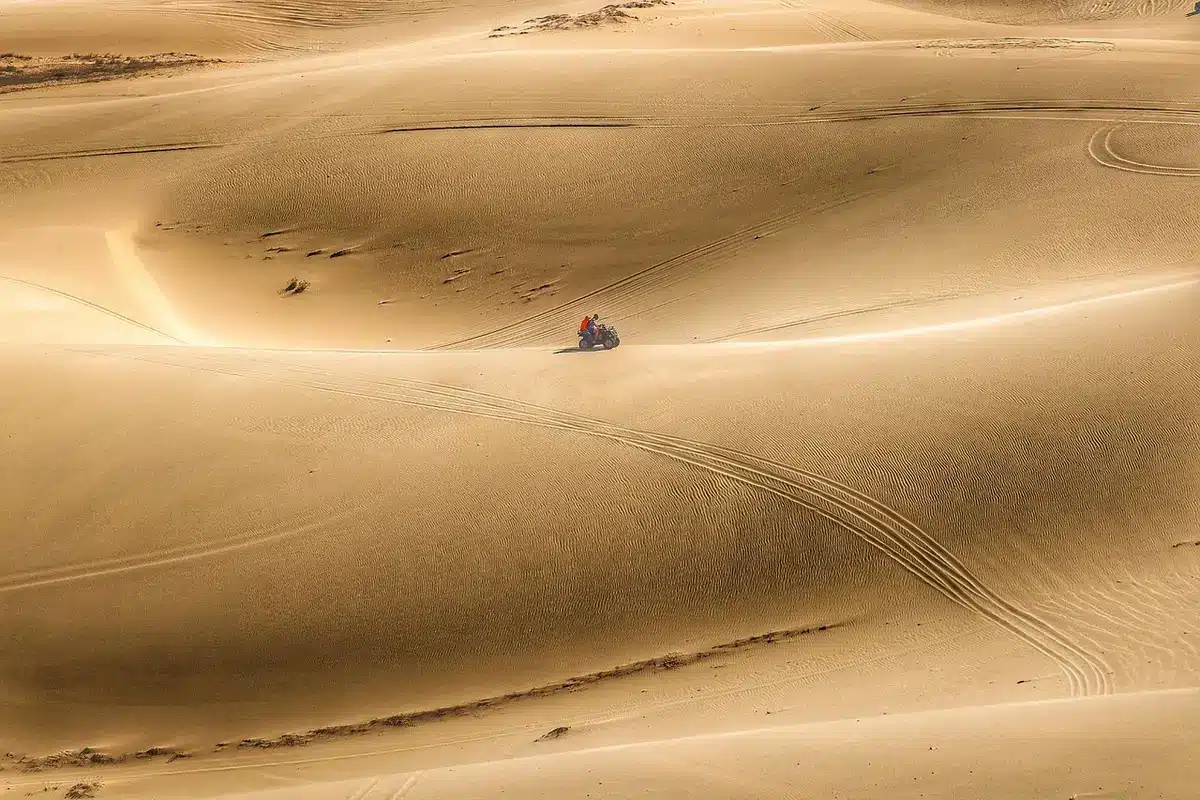
In 1977 French rally driver Thierry Sabine found himself far off course during the Abidjan–Nice race. Stranded on the remote Tchigai Plateau, close to the isolated mountain of Emi Fezzan, he was struck by the stark beauty and scale of the desert.
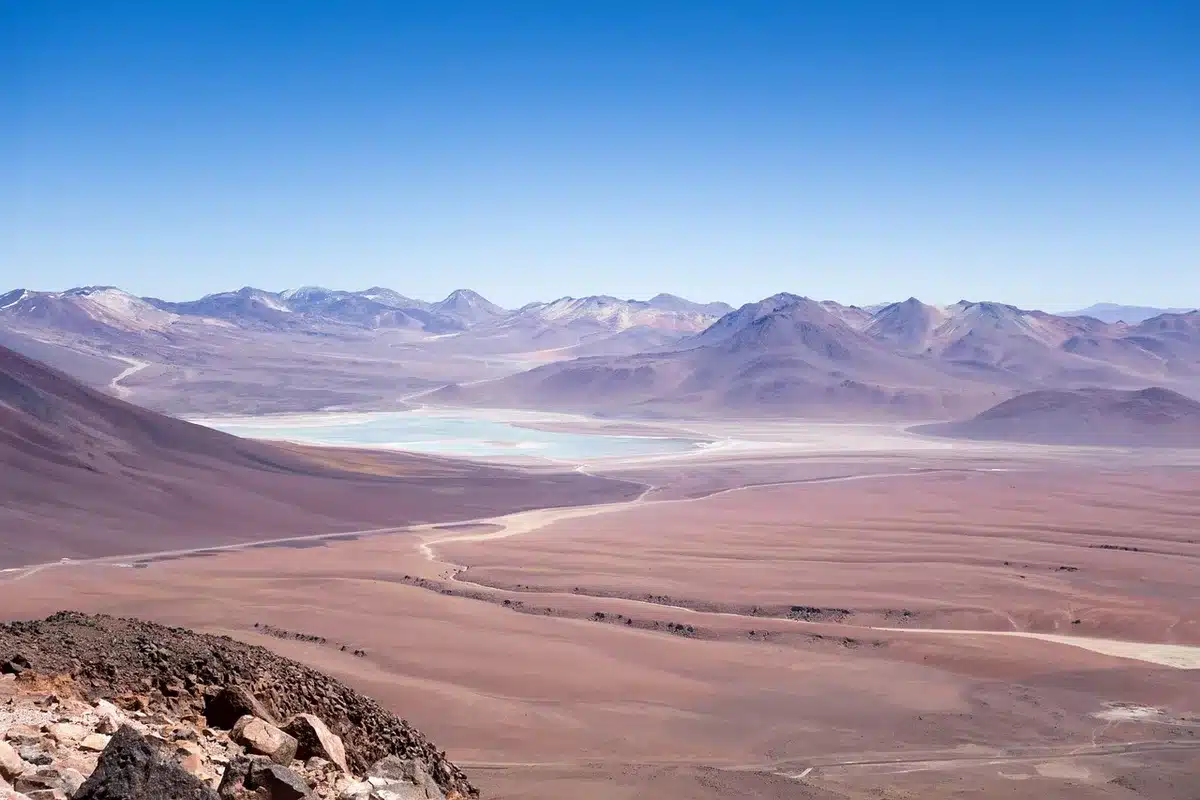
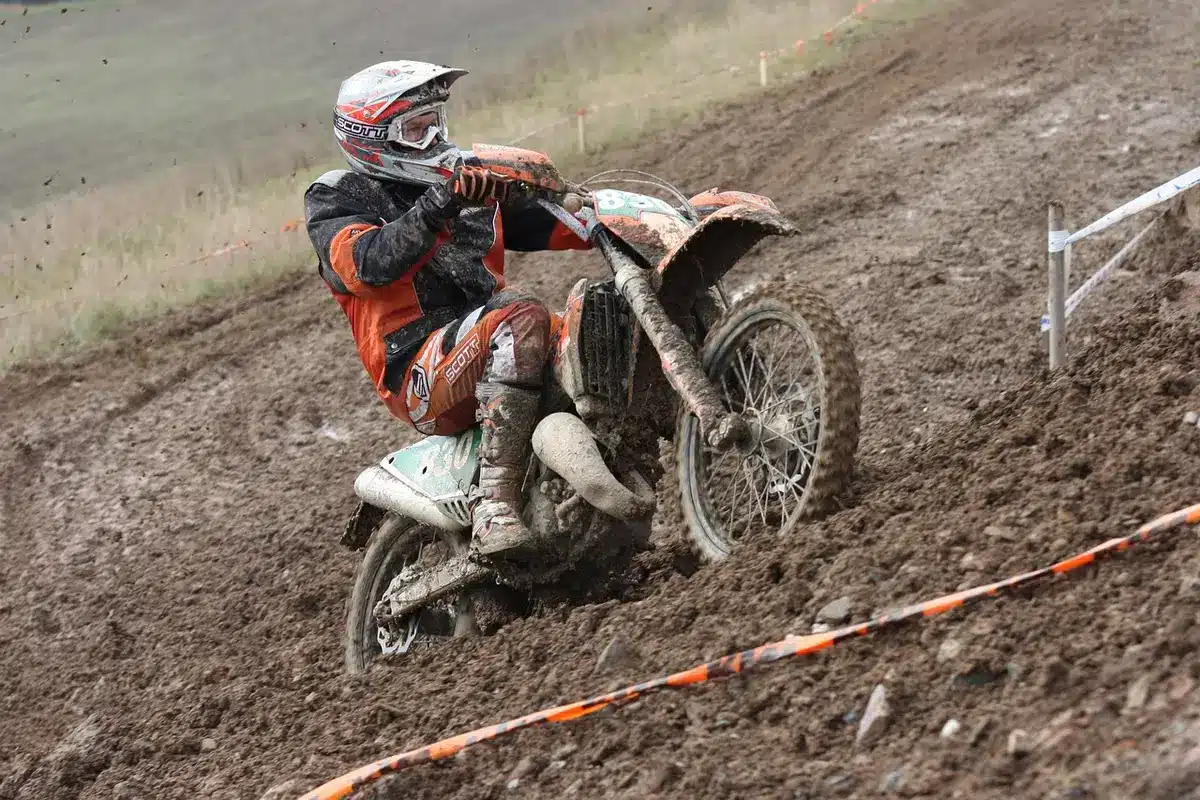
That experience crystallized an idea: create an off-road endurance event that would push both machines and crews across some of the world’s most extreme terrain — and bring the spectacle to a global audience.
From idea to race
Sabine moved quickly to turn the notion into reality. He organized the first running of the Paris–Dakar Rally and gave it a romantic, promotional line he carried forward: “A challenge for those who go. A dream for those who stay behind.”

The inaugural race began the day after Christmas 1978. Competitors set off from beneath the Eiffel Tower and, after roughly 20 days and about 10,000 kilometers on demanding routes, reached the finish in Dakar, Senegal on January 14, 1979.
The rally grows and Sabine’s role
In the years that followed the event expanded in scale and reputation. Sabine, drawing on his own rally background, supervised route planning and development, seeking ever more challenging landscapes.
Under his stewardship the Paris–Dakar Rally acquired a reputation as one of the harshest off-road tests in motorsport. It attracted international competitors and television audiences, becoming widely recognized for its difficulty and spectacle.
Legacy
From that chance misdirection in 1977 through the next nine years, Sabine was both the rally’s architect and its public face. His vision transformed a moment of being lost into a global sporting institution that would define endurance rallying for decades.