Show summary Hide summary
A new film about Bob Dylan can feel both revealing and evasive. A Complete Unknown delivers strong performances and a few striking images—Dylan astride a Triumph among them—yet it leaves several personal threads deliberately untied.
Sharp acting, soft answers
Timothée Chalamet’s portrayal anchors the movie, giving the character a convincing stage presence and surprising vocal moments. The film moves confidently in tone and cinematography, but it also withholds certain biographical details that many viewers might expect.
The Salty Bikernet publishes weekly edition dated August 19, 2026
Atari revives 800XL with keyboard, cartridge slots and BASIC
Reports indicate Dylan had some oversight of the project, which makes those omissions more puzzling. A crash involving a Triumph near Woodstock, New York, is only hinted at in public lore; the film does not address it, and Dylan himself has remained private about such incidents.
The electric moment that changed rock
The story follows a well-known turning point in music history: Dylan’s decision to plug in. Elijah Wald’s book Dylan Goes Electric provides the backbone for the film’s narrative, explaining why that switch startled audiences at the time.
For older generations, the significance of a folk singer picking up an electric guitar was clear enough to be the subject of schoolroom lessons. Whether that cultural jolt can be communicated to younger listeners today is an open question.
Motorcycles as rock symbolism
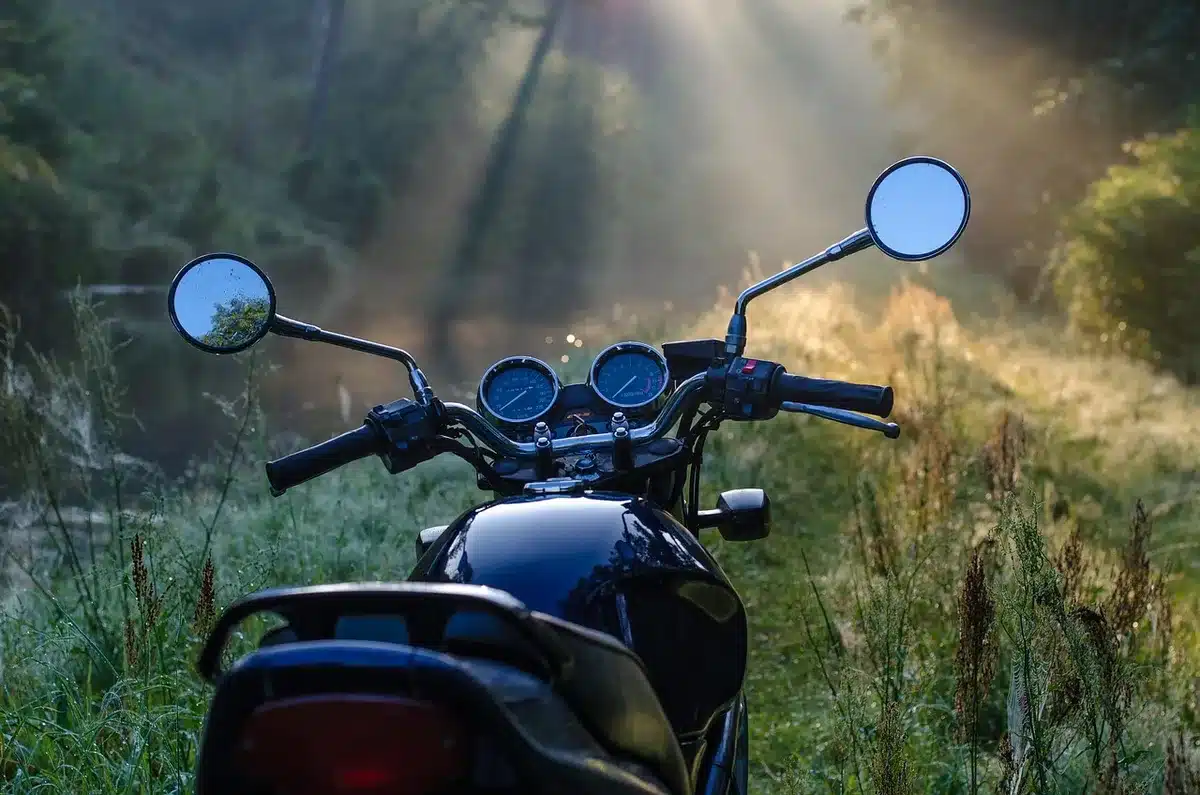
From the late 1960s through the 1980s, motorcycles often appeared alongside rock stars as visual shorthand for freedom and danger. Photographs of the Beatles, Mick Jagger and Jimi Hendrix on bikes helped cement the image.
Other notable pairings are well known: Elvis Presley with a Harley, The Beach Boys tooling around on scooters, and Ian Anderson working a dirt bike. Marianne Faithfull even starred in a film titled Naked Under Leather, where the bike plays a central role.
Songs that celebrated the open road
- Leader of the Pack — The Shangri-Las (written by Ellie Greenwich)
- Little Honda — Brian Wilson
- Born to be Wild — Steppenwolf
- New Sensations — Lou Reed
- Motorcycle Song — Arlo Guthrie
- Motorpsycho Nitemare — Bob Dylan
Dylan’s Motorpsycho Nitemare is an oddball entry: written before his electric turn, it never explicitly names a motorcycle but mixes offbeat cultural references—La Dolce Vita, Fidel Castro, Reader’s Digest—into a surreal narrative, a reminder of his eccentric storytelling.
From touring icons to collectors
Some musicians have kept the association alive. Neil Peart famously toured with a motorcycle. Billy Joel and Bruce Springsteen have ridden for years as well, although neither commands the same cultural sway among younger audiences as earlier rock icons once did.
Billy Joel’s connection to motorcycling extended to the 20th Century Cycles museum in Oyster Bay, New York, which reports say is set to close and have its collection auctioned.
Romance and risk, riffed in song
Richard Thompson revisited the motorcycle myth with his 1991 release 1952 Vincent Black Lightning. Its lyric captures the romance of high-speed living and doomed love: “In my opinion, there’s nothing in this world beats a ‘52 Vincent and a red-headed girl.”
And yes—pop culture could use more unexpected images. Someone should hand Taylor Swift a motorcycle. Immediately.