Show summary Hide summary
Zero Motorcycles’ new LS1 aims to make electric two-wheel commuting genuinely practical — and unexpectedly enjoyable — for city riders. Priced from £4,500, the compact scooter pairs removable batteries with strong low-end performance, targeting commuters and delivery fleets navigating congested urban centres.
Why Europe matters to Zero
Founded in Northern California in 2006, Zero has repositioned itself in recent months by relocating its global headquarters to Amsterdam. The company says the move reflects Europe’s fast pace of EV adoption and has coincided with more small-capacity models aimed at urban use.
Post Salt Bikernet issues weekly edition for August 28, 2026
Light-powered e-paper display powers wall art without an external charger
Production now takes place largely in the Philippines, and the LS1 is explicitly pitched at dense city markets such as London and Paris. In the UK the model is A1-licence compatible, meaning new riders can use it on L-plates.
Design and practicality: compact but usable
At a glance the LS1 is deliberately modern rather than retro. It’s compact — similar in footprint to other small electric scooters — but its layout focuses on everyday usefulness rather than nostalgia.
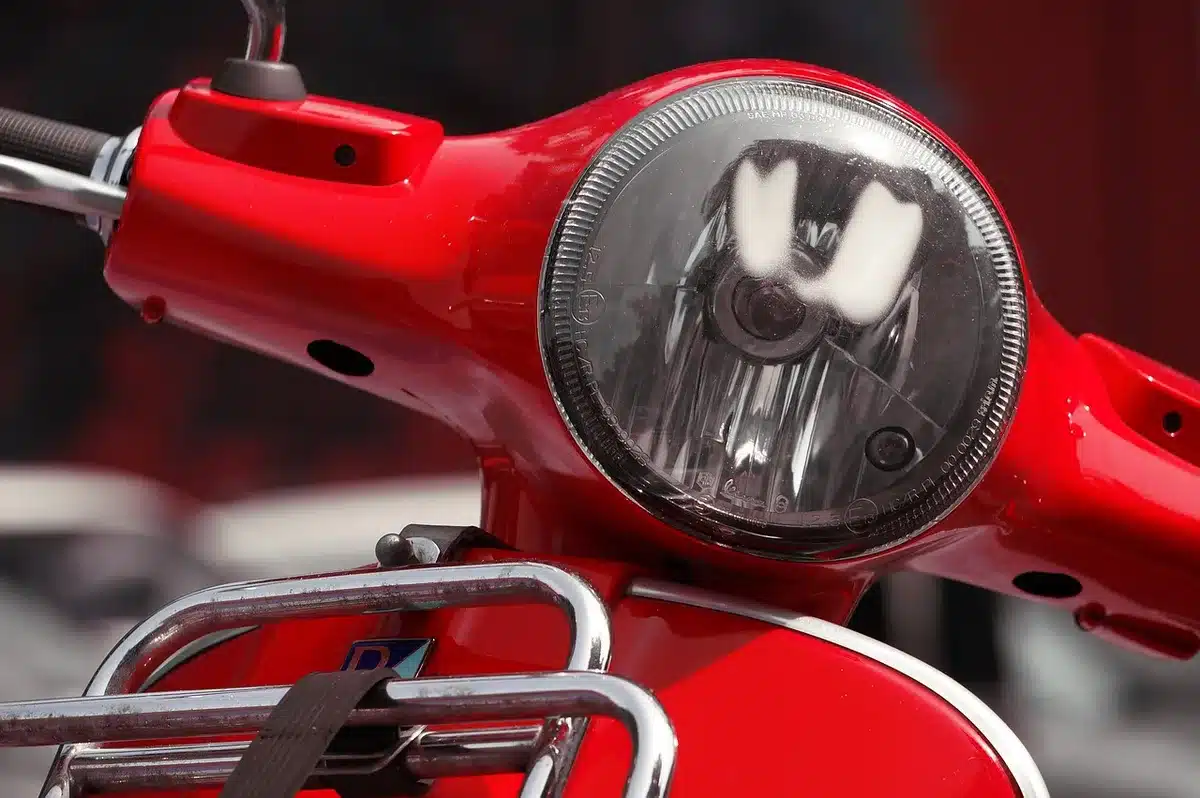
Under the seat there is a reasonably deep compartment. Zero claims space for “two helmets,” but in practice you’re more likely to fit one full-face helmet or a commuter bag comfortably. The storage can also hold an optional third battery, which trades locker space for extended range.
On fit and finish, some details feel economical: the mirrors are lightweight and the bodywork can rattle on poor surfaces. Those points don’t negate the LS1’s strengths, but they are worth factoring into a buying decision.
Price and how it stacks up
With a starting price of £4,500, the LS1 sits above ultra-budget petrol options such as a Lexmoto OCR 125 (£1,699), yet it becomes more competitive when compared with mainstream small scooters once running costs are considered. The Honda PCX 125, for instance, lists at £3,549.
Against other electrics the LS1 also finds its niche: the Honda CUV-e is cheaper at £3,800 but offers a lower top speed and shorter range. Zero has trimmed the cost versus earlier electric offerings — the LS1 undercuts certain older e-scooters while delivering improved practicality.
Power delivery and daily riding
The LS1 carries two removable 1.86 kWh lithium-ion packs in the floorboard feeding a centre-mounted motor. Claimed outputs include about 11.3 bhp and an emphatic 177 lb-ft of torque at the rear wheel.
That instant electric torque is the scooter’s standout attribute in urban traffic. Acceleration from lights is brisk and seamless, making it easy to keep pace with city flows and to nudge ahead of conventional petrol scooters. The top speed is quoted at 62 mph — more than enough for city and suburban roads, although not intended for extended motorway runs.
Battery, charging and range
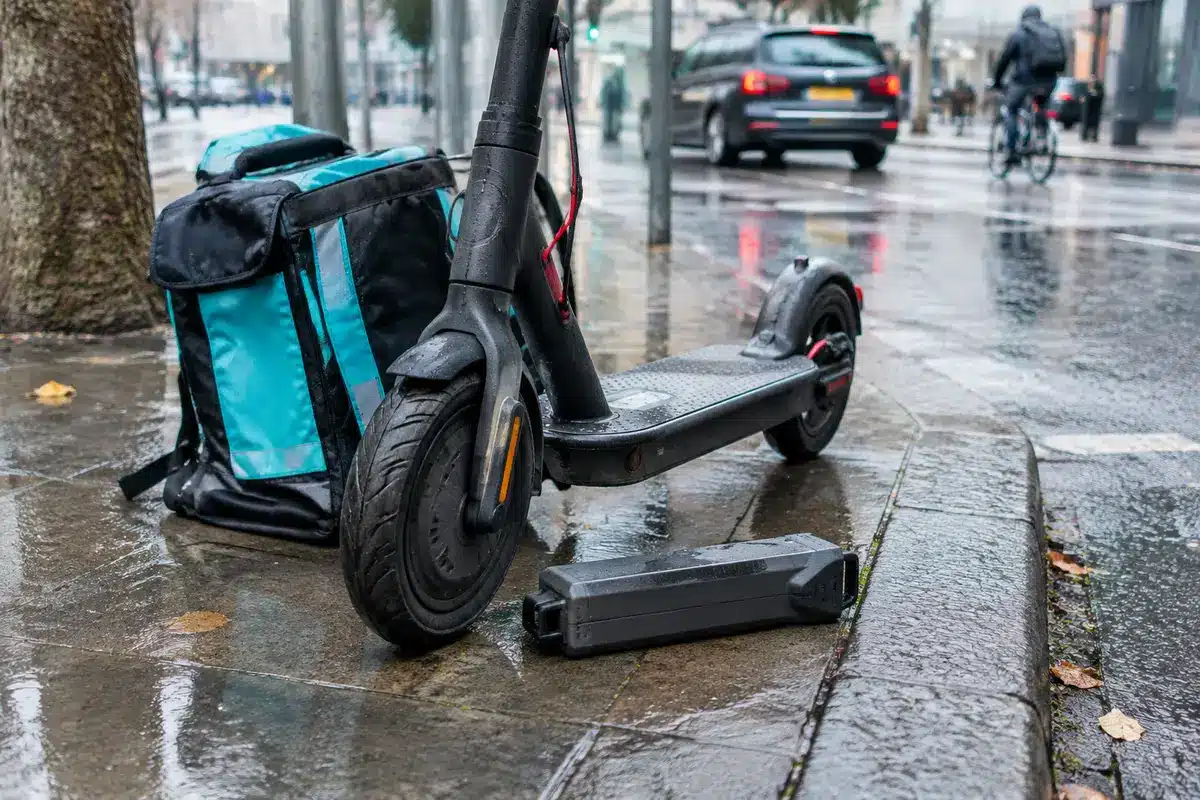
The battery packs sit low in the chassis, which aids stability and keeps the kerb weight manageable at around 134 kg. Being removable, they can be carried indoors and charged from a standard socket.
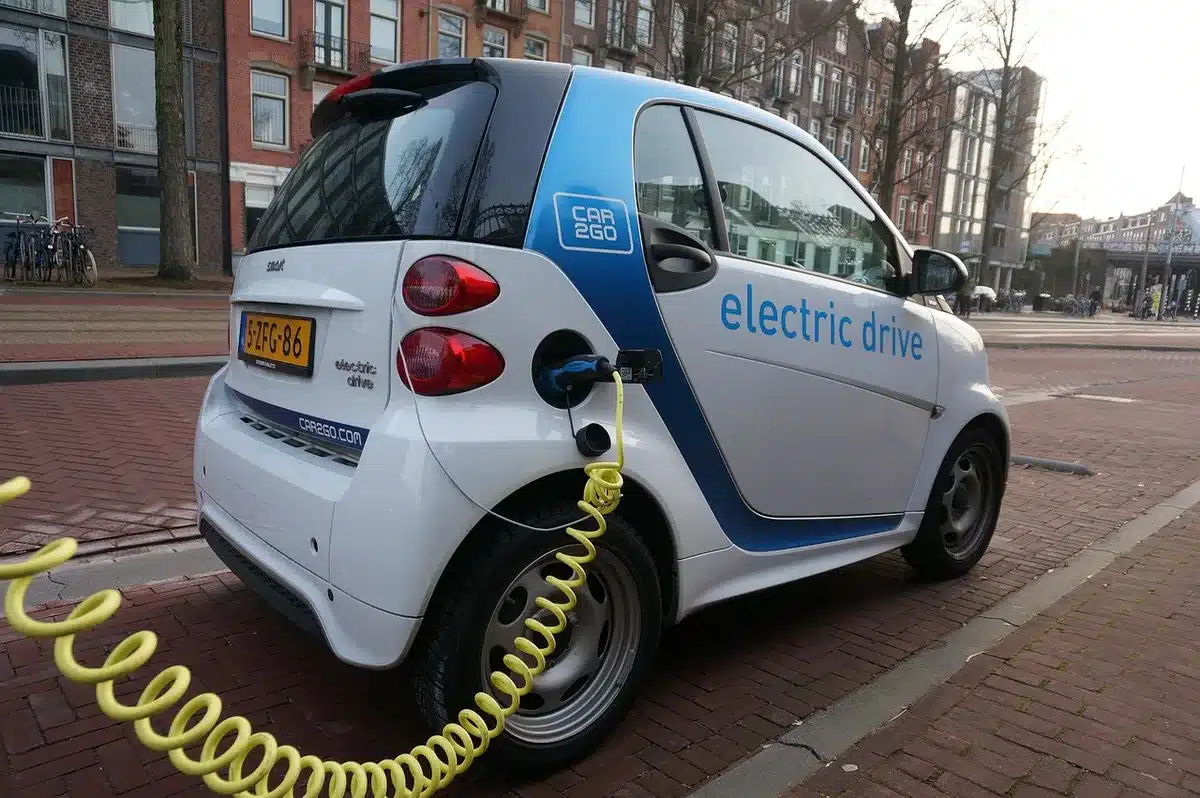
Zero quotes a combined urban range of about 70 miles with the two standard batteries. If you sacrifice underseat storage for a third pack, claimed range rises to 97 miles; a third battery is available for an additional £1,045.
Charging from flat using the standard off-board charger takes roughly 4.5 hours (manufacturer figure). An optional 1500W fast charger reduces that time substantially and trims a 20–80 percent top-up to around 99 minutes.
Handling, brakes and real-world roads
Scooters are not sports machines, but within their category the LS1 delivers confident handling. Suspension travel is listed at 109 mm up front and 104 mm at the rear, which helped the test scooter cope with the poor surfaces found on Brighton’s streets without feeling unsettled.
Braking is handled by single discs with dual-piston calipers and ABS front and rear. The initial bite is measured, reducing harsh dive in stop-start traffic and aiding composure in congested conditions.
Drivetrain noise is minimal thanks to a carbon-reinforced belt drive; most audible complaints came from bodywork creaks rather than the powertrain itself.
Instruments, safety and theft protection
A 5-inch colour TFT provides speed, range, battery state and time and adjusts to lower-contrast settings at night. There is no built-in navigation, although the scooter can accommodate a smartphone mount for mapping.
Traction control is standard on the LS1 — a sensible inclusion given the high torque delivered to a small rear wheel. The scooter also incorporates smart anti-theft features: if the wireless key fob is absent, the vehicle immobilises itself, and forced attempts to roll the scooter trigger torque pulses intended to lock the rear wheel.
Made for filtering and city movement
The LS1’s narrow stance and instant acceleration are real advantages in heavy traffic. It’s easy to thread through gaps and to reach the front of queues at lights, which saves time on congested routes. Riders should note the small size leaves less physical protection than larger maxi-scooters, but for many urban commutes that trade-off is acceptable.
Specs at a glance
| Starting price | £4,500 |
| Power | 11.3 bhp |
| Torque | 177 lb-ft (rear wheel) |
| Top speed | 62 mph |
| Battery | 2 × 1.86 kWh |
| Charging time | 4.5 hours (0–90%) |
| Range | 70 miles (97 miles with optional third battery) |
| Seat height | 780 mm |
| Weight | 134 kg |
| Front tyre | 110/80-14 M/C |
| Rear tyre | 130/60-13 M/C |
| Front brake | Single disc, dual-piston caliper, ABS |
| Rear brake | Single disc, dual-piston caliper, ABS |
| Front suspension | 109 mm travel |
| Rear suspension | 104 mm travel |