Show summary Hide summary
The Norton Manx R is the first motorcycle fully developed under TVS ownership and carries heavy expectations for a brand rebuilding its reputation. Tested in Seville and at the Monteblanco circuit, it aims to prove Norton can deliver a modern, usable sports bike rather than a retro statement piece.
Why this bike matters
The Manx R represents a clean break with Norton’s recent past. Aside from the V4SV, few visible elements survived the company’s restructuring; the Manx R is the first model conceived, engineered and manufactured with TVS involved from the start. That pedigree is central to why riders and industry watchers have been paying attention.
Post Salt Bikernet issues weekly edition for August 28, 2026
Light-powered e-paper display powers wall art without an external charger
Powertrain, chassis and key equipment
At its core sits a new, TVS-built 1200cc V4 assembled at Hosur. Norton quotes a peak output of 206bhp at 11,500rpm and around 96 lb‑ft (130Nm) of torque at 9,000rpm. The bike uses a six-speed gearbox with up/down quickshifter and a slipper clutch.

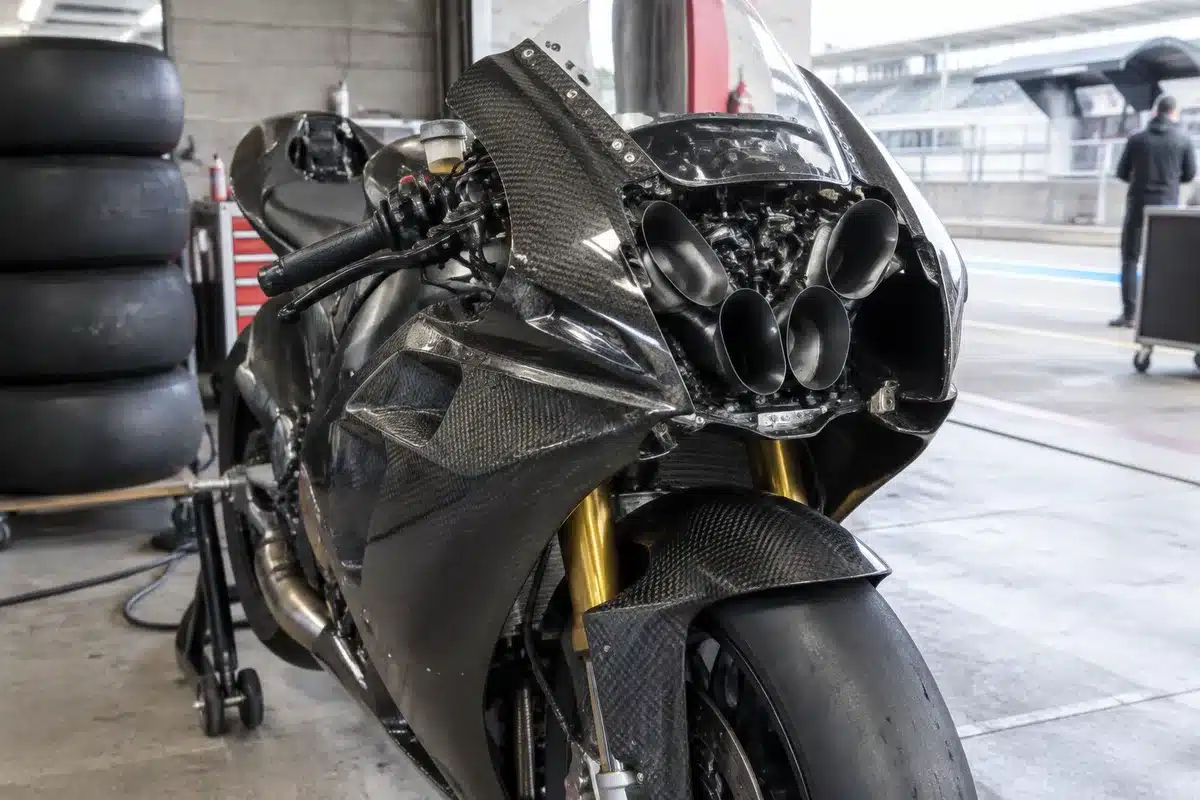
The Manx R’s frame, geometry, electronics and bodywork are all new. Higher-spec models add semi-active suspension from Marzocchi and Brembo’s Hypure front calipers. The Signature edition we rode includes carbon fibre bodywork, Rotobox carbon wheels and a single-seat setup with bespoke startup animations for dash and lighting.
Versions and pricing
| Model | Price (UK / EU) |
|---|---|
| Manx R (base) | £20,250 / €23,250 |
| Manx R Apex | £24,750 / €29,750 |
| Manx R Signature | £38,750 / €43,750 |
| Manx R First Edition | POA / POA |
How it rides on the road
Despite appearing compact, the Manx R feels surprisingly roomy once you’re aboard. The bars are wide, the pegs are not overly tucked and the riding position balances sportiness with everyday comfort.
In Road mode the throttle mapping is intentionally mild and the traction control can be conservative, at times cutting power noticeably in mid-corner. Switching to Sport sharpens the response and lets the engine’s character come through. Norton’s stated aim was usability and driveability rather than maximum, brutal peak power, and that intent is easy to feel on real roads.
The semi‑active suspension impressed throughout the Spanish mountain runs. Norton highlighted a unique element: a linear potentiometer inside the fork leg that measures both travel and suspension speed. Whatever the technical specifics, the system soaks up bumps well and stiffens progressively as you increase pace, helping the bike feel composed without becoming harsh.
The V4 itself has a bit of low‑speed lumpiness, similar to large-bore twins, but it settles into a clean, responsive delivery when the pace builds. It’s not a muscle‑bound, arm‑twisting engine; it pulls cleanly and encourages corner‑to‑corner riding rather than explosive, single‑gear blasts.
On the track
At Monteblanco the Manx R showed that its strengths on the road translate to a circuit environment—once the electronics are set up correctly. An early session under road-oriented settings exposed that traction control can intrude at lean. Switching to the dedicated Track mode, disabling wheelie control and reducing traction intervention transformed the bike’s behavior.
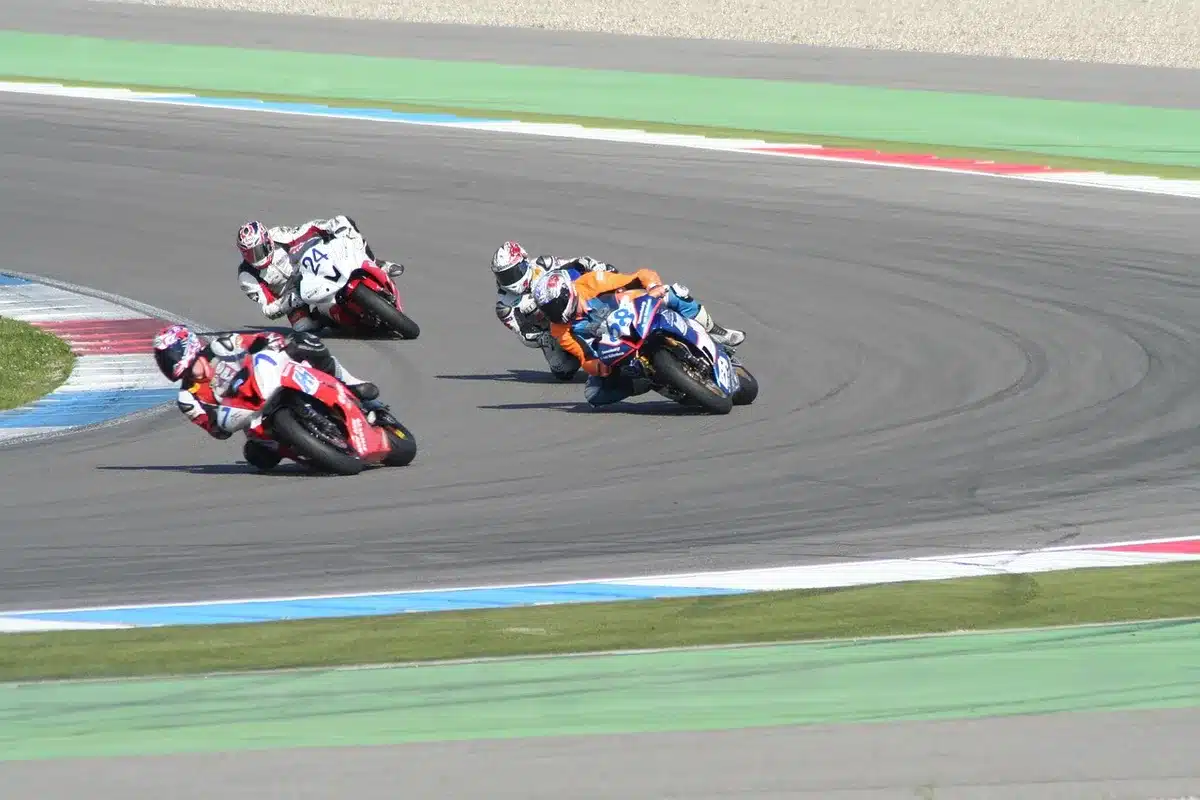
With track settings engaged the throttle felt direct, and the electronics faded into the background. The Manx R rewards input; it isn’t a point‑and‑blast machine but one you work with. The short wheelbase gives incredibly rapid turn‑in, especially noticeable through slower bends, yet stability at speed remained reassuring.
Brembo Hypure calipers provide strong stopping power and allowed later braking into corners than on some rivals, although absolute bite comes at the cost of a touch less pedal feel. Overall the package felt physical in a classic superbike way—engaging and rewarding rather than sterile.
Strengths and small shortcomings
Highlights include the combination of usable V4 character, a chassis that communicates well, high‑quality suspension and very strong brakes. The gearbox, quickshifter and slipper clutch worked without issue on our test.
There are a few niggles. The tank sides are slipperier than ideal for secure knee grip. Wheelie control is binary—either on or off—which feels basic compared with the graded options some competitors offer. The standard screen is small; many riders will want the taller double‑bubble option for better wind protection.
What this means for Norton
The Manx R arrives with a competitive starting price that surprised many: the base model begins at £20,250. That positioning, combined with premium options and a higher‑spec Signature at £38,750, signals Norton is aiming to be taken seriously in the mainstream sports bike market, not just among collectors.
More than aesthetics, the bike demonstrates careful engineering and a coherent package. For a marque that needed a clear reset, the Manx R provides tangible evidence that Norton and TVS have created a contemporary superbike with real on‑road and on‑track appeal.