Show summary Hide summary
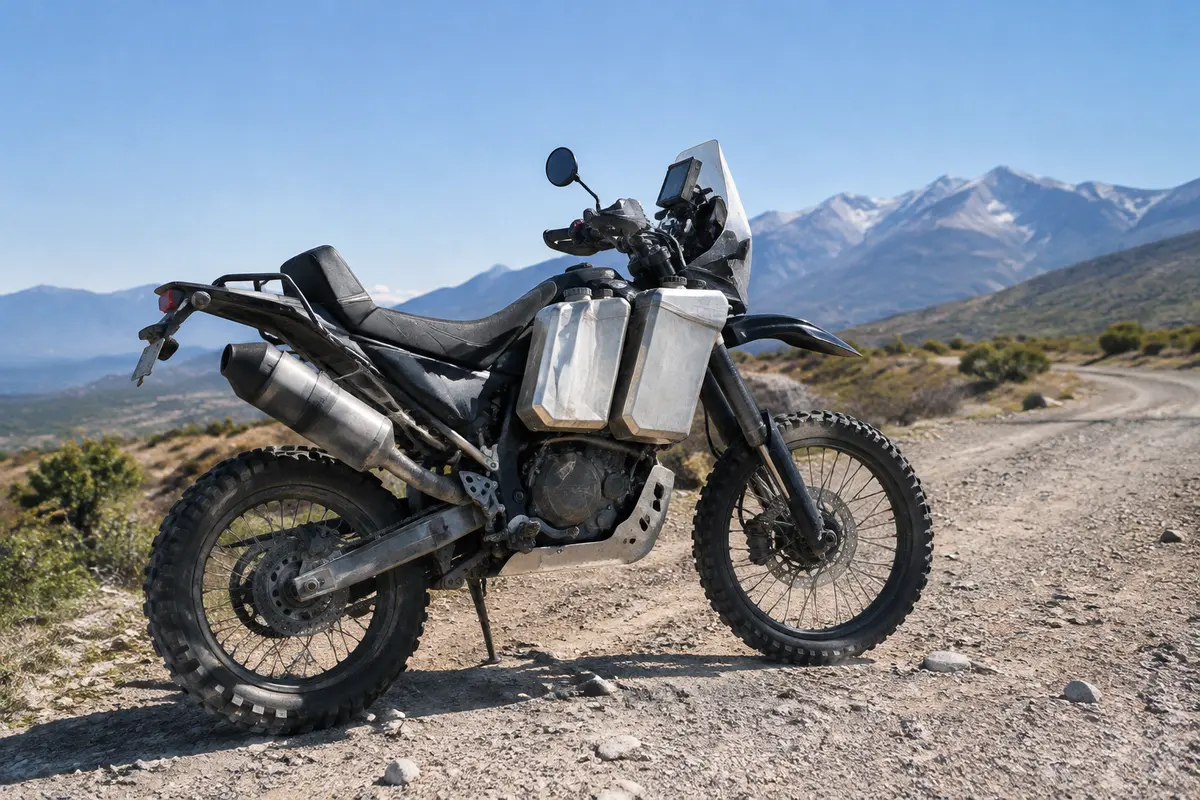
The 2026 Ducati DesertX arrives as a redesigned contender in the crowded adventure-bike market, trading flash for durability and a more purposeful chassis. With an asking price close to £14,995, Ducati has reshaped almost every mechanical element while keeping the model’s familiar silhouette.
How the DesertX evolved
The DesertX began life as a concept shown at EICMA in 2019 and initially felt like another Scrambler offshoot. By the time it entered production in 2022, it had already swapped the Scrambler’s powerplant for a larger Testastretta V-twin taken from Ducati’s Multistrada 950 family.
Post Salt Bikernet issues weekly edition for August 28, 2026
Light-powered e-paper display powers wall art without an external charger
Sales were modest but owner feedback was enthusiastic enough for Ducati to commit to a ground-up revision for 2026: a new engine, a new frame, revised suspension and even a redesigned rear axle fastener among the notable mechanical changes.
Design, build and practicality
At a glance the 2026 model retains the DesertX’s distinctive lines. Up close, though, build quality feels more robust than expected. Panels that might normally be thin plastic—most notably the tank and surrounding fairing—appear engineered to resist scuffs and impacts.
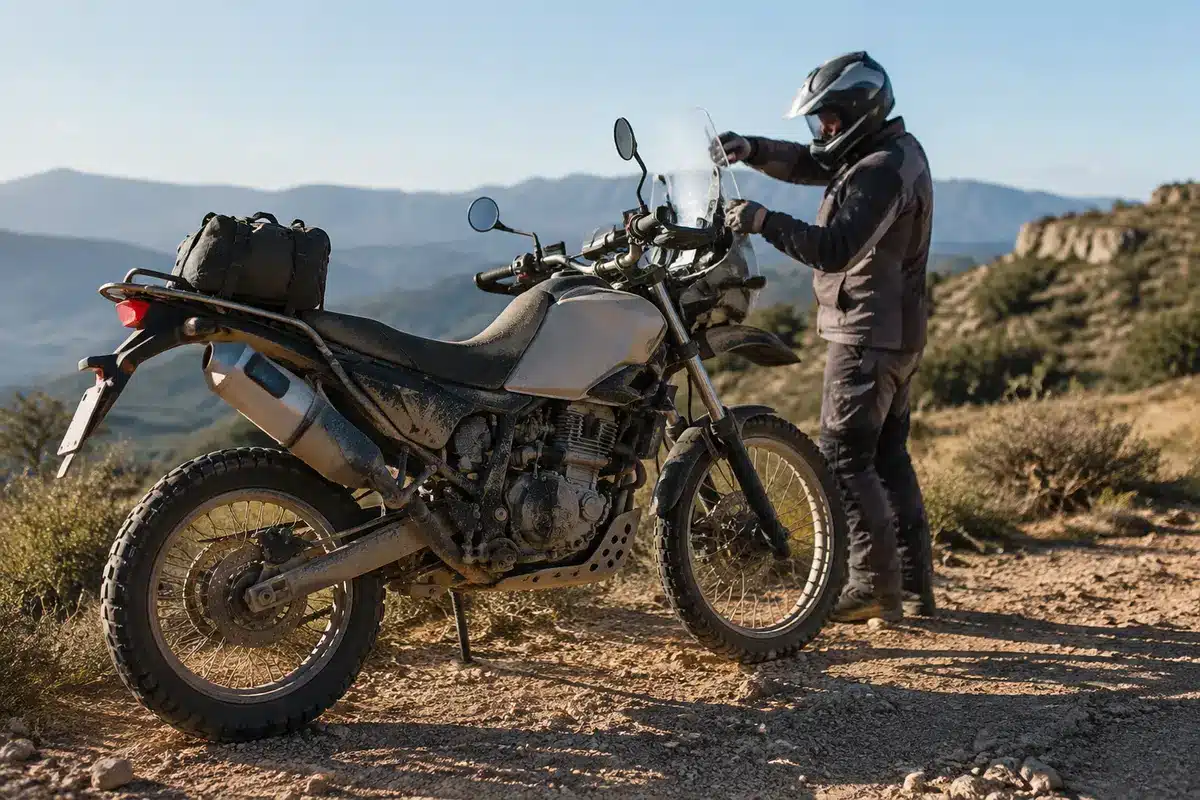
That resilience was put to the test during a group demo in Spain: the entourage experienced three drops. None were race-ending; some required effort to lift the bikes back onto the trail. Damage was limited to replaceable items such as levers and a shifter spring.
Seat height is listed at 880 mm, with Ducati offering accessory options to lower or raise it between 840 mm and 900 mm. The saddle is narrow and reasonably firm; taller riders should find it manageable for day rides. A fixed windscreen proved surprisingly effective at highway speeds.
Mass and balance
Ducati quotes a wet weight of 209 kg, but that figure does not include fuel. The DesertX carries an 18-litre tank, which adds roughly 16–17 kg when full. That yields a fully fueled mass close to mid-220 kg — heavy for technical off-road work, but the bike’s centre of gravity and balance make its weight feel less intrusive on mixed terrain.
Engine character and performance
The new powerplant is Ducati’s familiar 890cc V‑twin, already used across several models. Ducati’s claims for this tune are 110 bhp at 9,000 rpm and 68 lb-ft of torque at 7,000 rpm, with most torque available down low.
On fast road stretches the DesertX feels competent rather than explosive. Acceleration above roughly 85 mph loses some urgency, but that reflects the machine’s dual-purpose focus rather than a shortcoming. The engine’s acoustic character is a highlight: it sounds urgent and raw on acceleration and offers appealing pops on overrun.
Transmission and usability
The six-speed gearbox felt slightly notchy in low ratios during initial use, a familiar trait on many new V-twin bikes that can settle with mileage. The clutch pull is light but needs a full-hand grip to operate cleanly — a consideration for off-road technique.
A quickshifter is fitted and generally performs well for trail use, though its behavior was inconsistent on the demo day. After switching it off, stalling issues disappeared, suggesting sensitivity to inadvertent inputs or setup nuances.
Chassis, suspension and brakes
Ducati has replaced the previous frame with a new monocoque structure and fitted fully adjustable suspension front and rear. The rear now uses a progressive “full‑floater” mounting. Together these changes deliver a suspension package that handles rough ground with composure and yet remains planted on smooth tarmac.
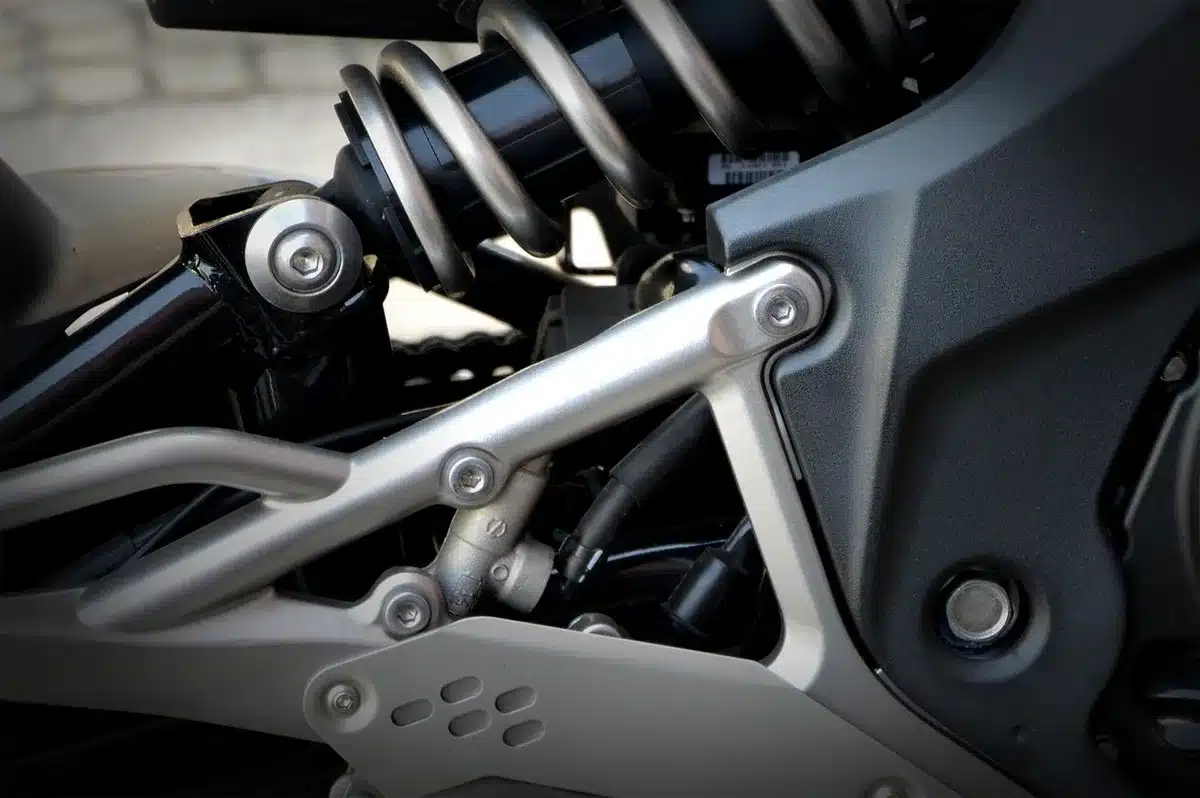
Stopping performance is provided by high-spec Brembo hardware up front and a single disc at the rear — capable and confidence-inspiring for the bike’s intended role.
Electronics: capability or complexity?
The DesertX is rich in electronic systems. Riders can select among six main modes — Sport, Touring, Urban, Wet, Enduro and Rally — and then fine-tune traction control, ABS, engine mapping, wheelie control and engine braking across many incremental settings. Ducati’s own math for the combinations arrives at an eye-watering 23,040 combinations.
That level of configurability can be empowering for experienced users, but it can also be overwhelming for anyone wanting a simple, plug‑and‑ride experience. The bike also includes cruise control, full LED lighting, a 5-inch TFT display and smartphone-linked navigation support via the Ducati Link app.
Servicing and home maintenance
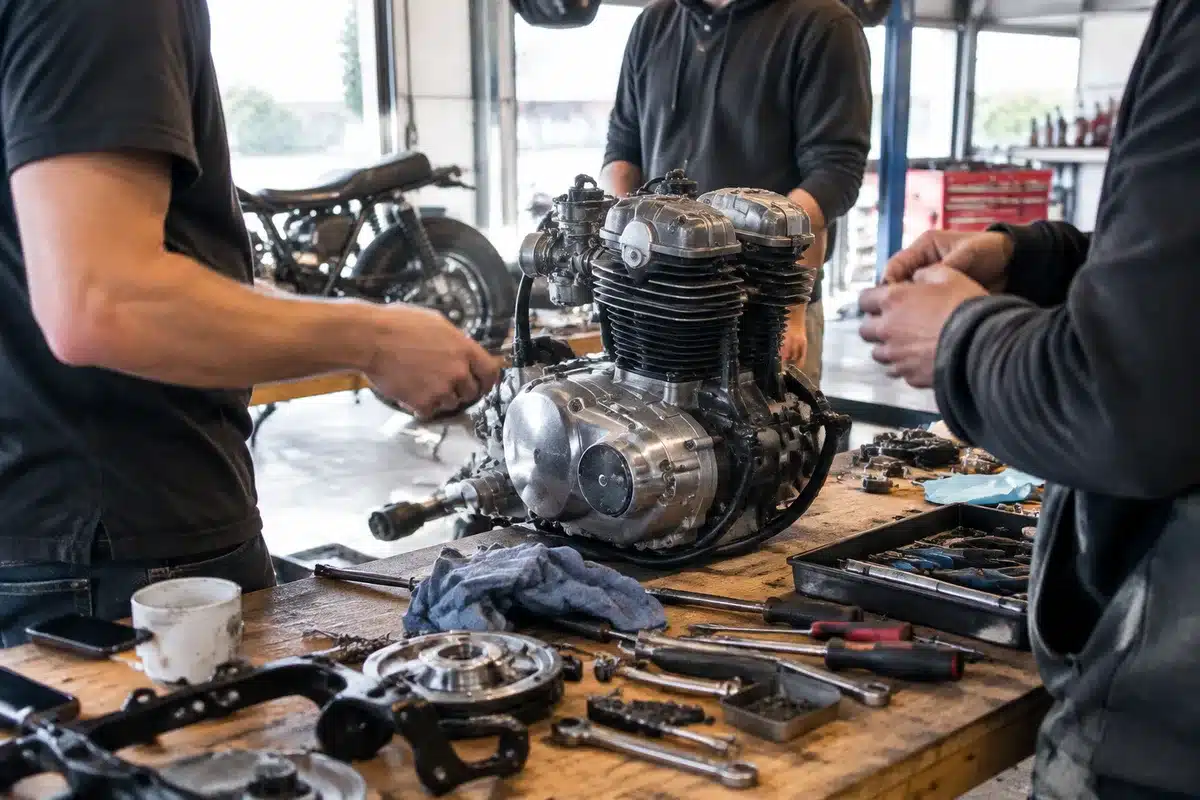
Ducati has addressed several serviceability pain points from the previous model: valve checks are spaced to 28,000 miles and routine oil change intervals are extended to 9,000 miles. The rear axle is now removable with a standard hex socket and a frame-subframe connector has been made removable to ease access to header pipes.
However, routine oil servicing is not entirely user-friendly. The oil filter is tucked into a cartridge beneath the left engine cover and is reached by removing a small panel held by two bolts. The filter housing sits recessed into the engine, so tutorials from similar Ducati V2 models recommend precautions to avoid spills when changing the filter. Access to the drain plug may also be hindered by exhaust routing on some examples.
Practical observations from the test
During the demo the switchgear felt somewhat crowded, with the indicator control requiring a glance to locate. The quickshifter’s sensitivity produced intermittent stalls until it was disabled. Yet the saddle comfort across a full day of riding was acceptable, and the overall package left a positive impression despite the niggles.
Rider kit shown in photos
Helmet: HJC RPHA 60
Jacket and pants: Spada Vanguard
Gloves: Aerostich Elkskin Competition Ropers
Boots: Sidi Taurus GTX
| Price | £14,995 |
| Engine | 890cc liquid-cooled V‑twin |
| Transmission | 6-speed, quickshifter |
| Power | 110 bhp @ 9,000 rpm |
| Torque | 68 lb‑ft @ 7,000 rpm |
| Seat height | 880 mm (adjustable with accessories) |
| Fuel capacity | 18 litres |
| Wet weight | 209 kg (without fuel) |
| Front suspension | KYB 46 mm USD, fully adjustable |
| Rear suspension | KYB shock, fully adjustable, full-floater link |