Show summary Hide summary
At Daytona Bike Week, the spectacle spreads beyond Main Street to the steep turns of Daytona International Speedway, where the 2026 MotoAmerica season opened with one of its most talked-about classes. The spotlight belonged to the **King of the Baggers**, a series that has rapidly grown from a novelty race into a full championship drawing factory effort from the major American builders.
From one-off event to headline class
What began as an invitational in 2020 has become a permanent fixture on the national calendar. Organizers and teams expanded the concept into a championship after fans and riders embraced the idea of seeing heavily modified touring machines go head-to-head on road-race circuits.
Post Salt Bikernet issues weekly edition for August 28, 2026
Light-powered e-paper display powers wall art without an external charger
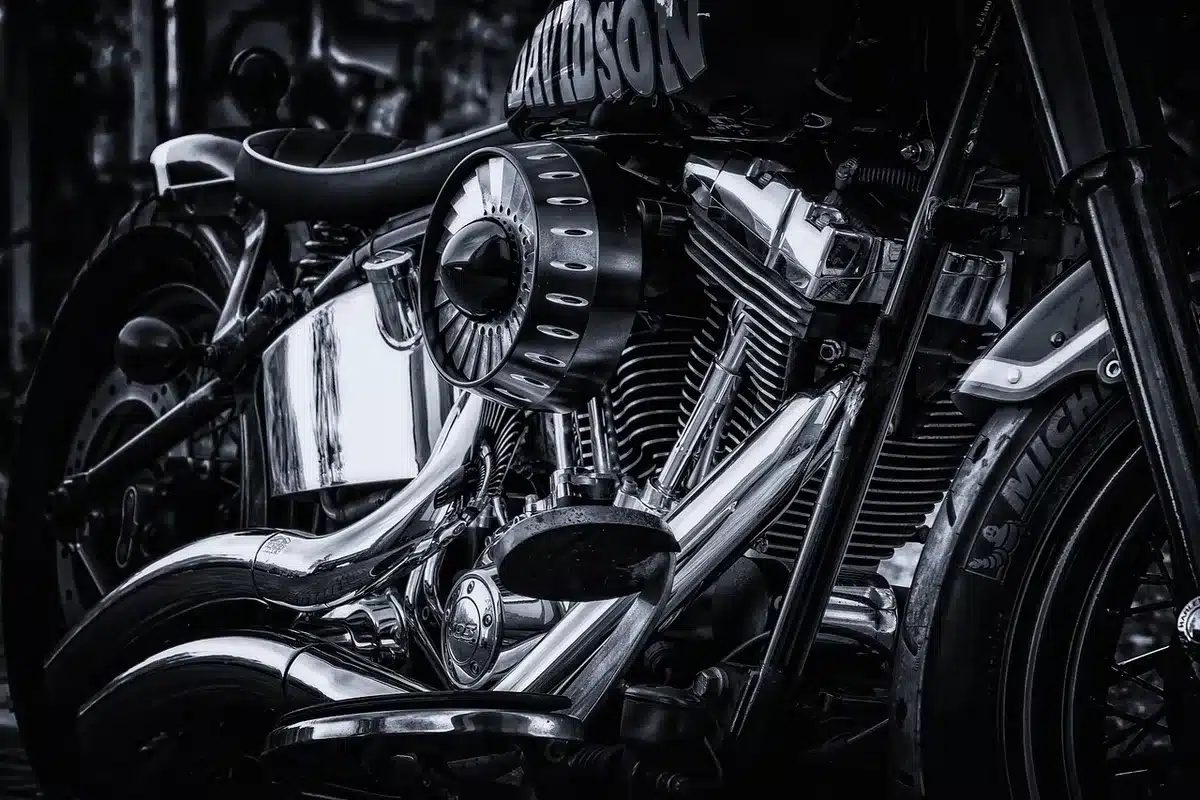
Factory-backed entries from Harley-Davidson and Indian underscore the class’s rise. Past champions such as Kyle Wyman, Tyler O’Hara, Hayden Gillim, and Troy Herfoss have all left their mark, fueling a competitive rivalry that fills the paddock and the grandstands on bagger race days.
How touring bikes become race machines
By regulation, competitors must retain the bikes’ full touring fairings and hard luggage. A single figure—**620 pounds minimum weight**—anchors what would otherwise be a radical transformation.
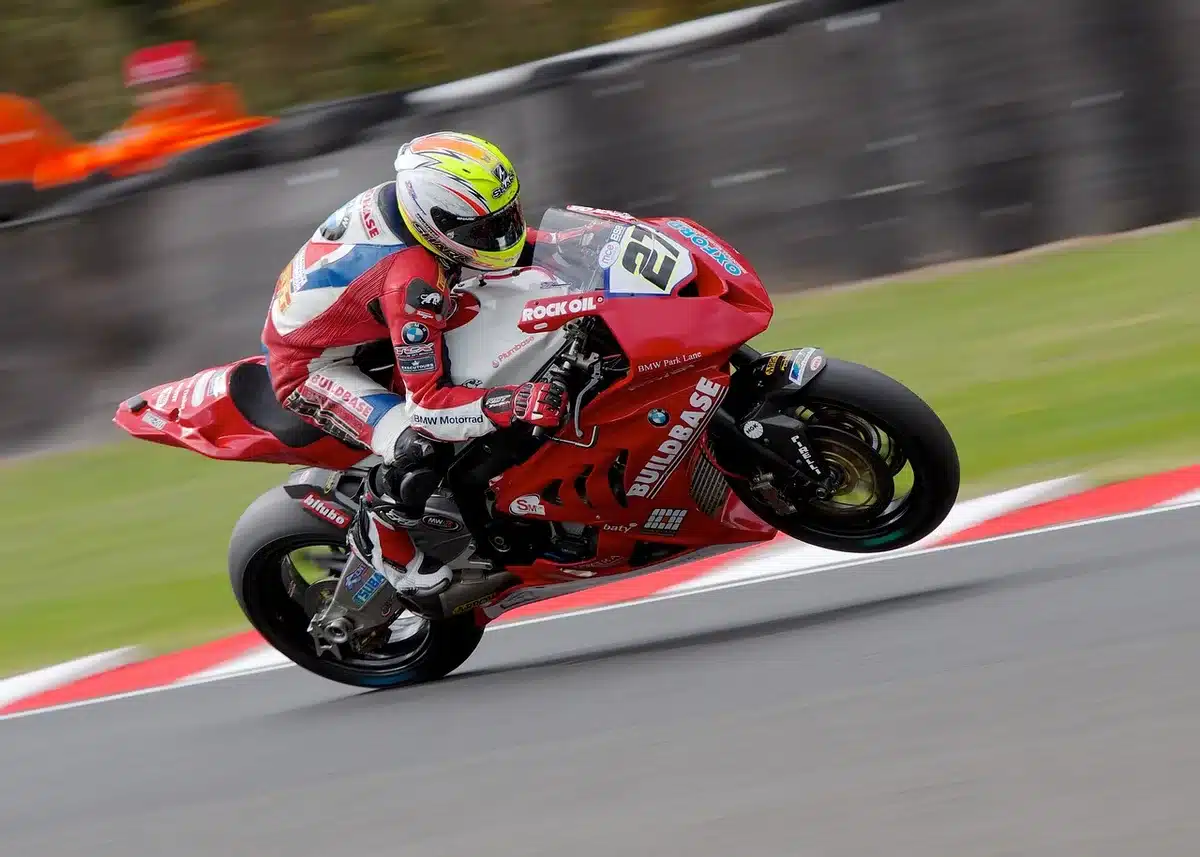
Beyond that, teams treat the machines like any high-level race bike. Suspension is rebuilt to superbike standards for improved ground clearance and handling. Brakes are upgraded with radial Brembo units, wide race slicks slip under reshaped fenders, and engines are tuned aggressively—many baggers show roughly **180 horsepower on the dyno**.
Pit work and paddock detail
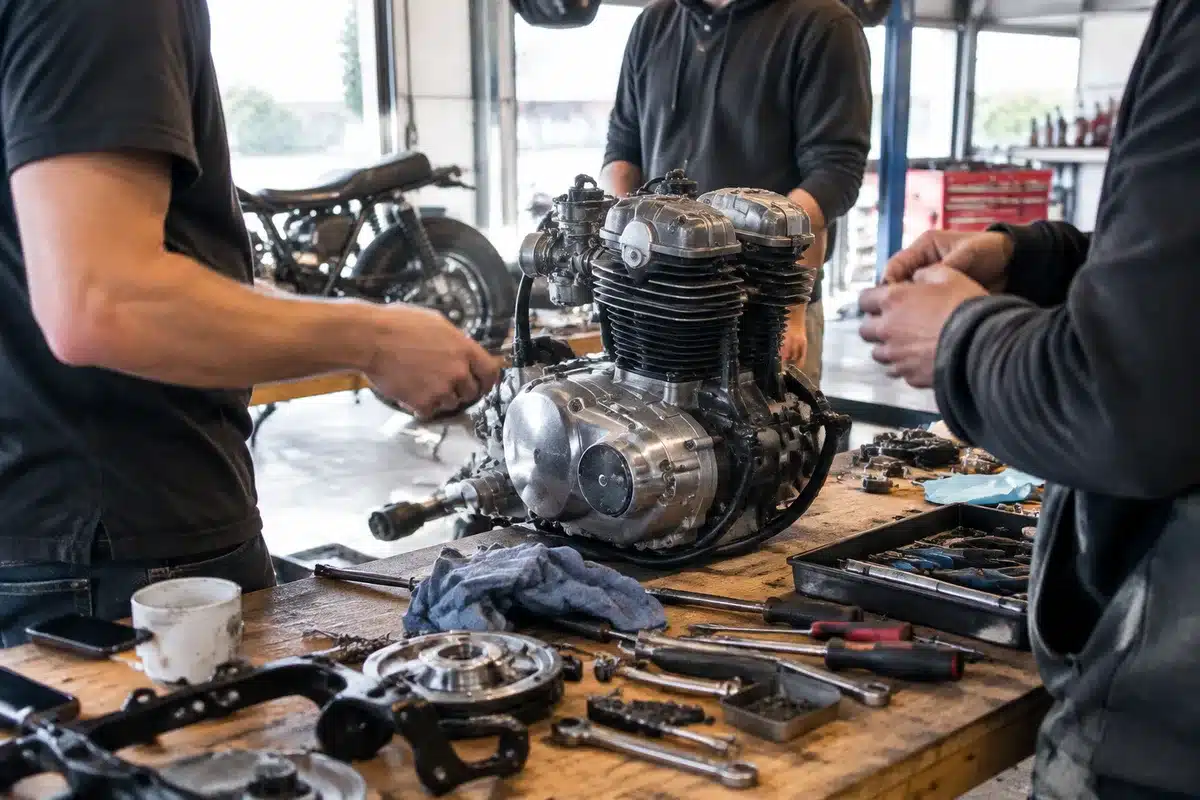
In the paddock the conversion is plainly visible. Mechanics strip panels and route data cables while laptop screens display suspension traces and ECU maps. Crews perform quick-change rear-end swaps, cycle through tire warmers, and manage brake bleeds and clutch adjustments between sessions.
The level of preparation mirrors what you’d expect in superbike paddocks. It’s a reminder that beneath the touring silhouette sits a purpose-built racer, engineered for heat and speed rather than weekend comfort.
What it looks like on track
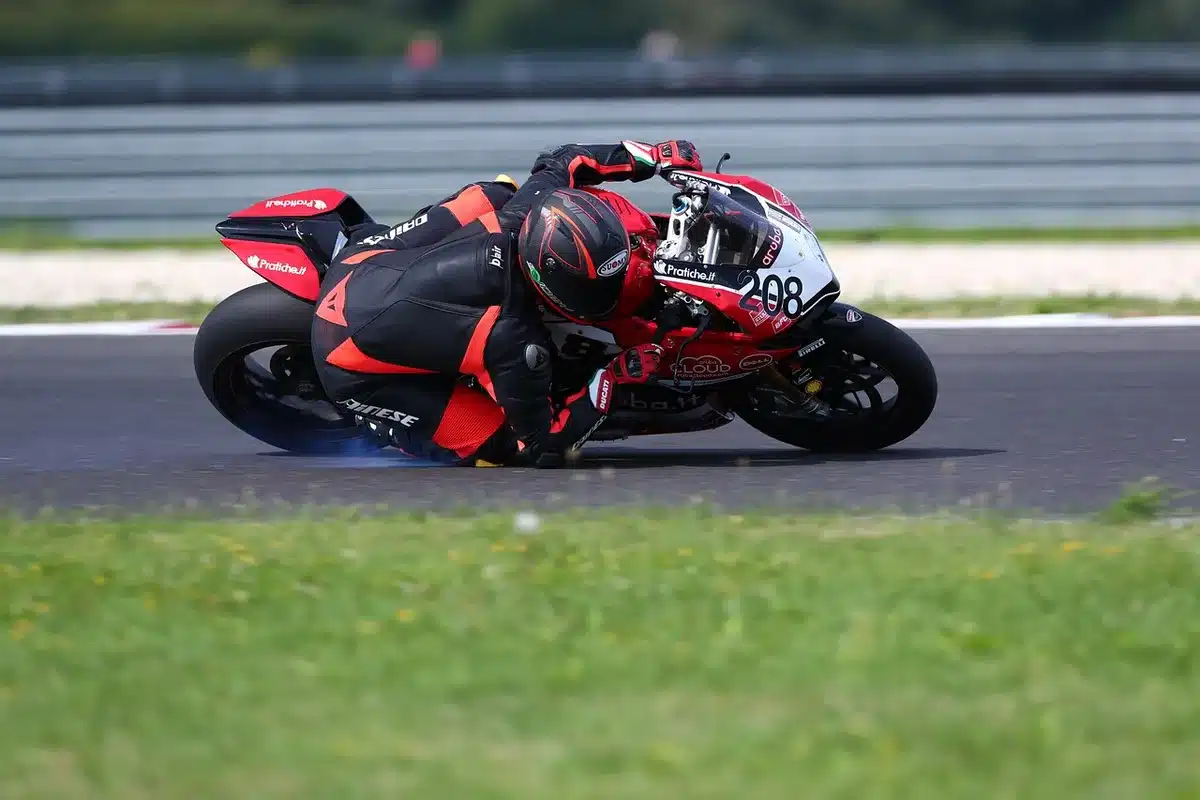
From the stands the contrast is striking. These are heavy, V-twin machines yet riders drag knees and tuck into five-bike drafts, often at triple-digit speeds. In the paddock view you can see riders wrestle the bars, control slides as rear wheels break loose, and carry momentum into the high banking.
That visual crossover—cruiser aesthetics meeting sportbike technique—has broadened the sport’s appeal. It draws both traditional cruiser fans and sportbike purists to the same fence line, creating a diverse and vocal audience.
Daytona’s broader race weekend
When the baggers’ checkered flag fell, attention shifted to the event’s other centerpiece: the 84th running of the Daytona 200. The 200 offers a contrasting style of competition, favoring lighter machines, endurance pacing, and pit strategy over the raw torque of V-twin cruisers.
Alongside the 200, the program at Daytona features a range of disciplines—Supercross, flat track, and hooligan-style races—so the weekend serves up multiple flavors of motorcycle competition for fans and riders alike.
Looking ahead to the season
With the 2026 MotoAmerica championship now under way at Daytona, teams and riders head into a full season of varied circuits and tactical battles. The early momentum from the season opener will shape championship dynamics as factory and privateer efforts continue to develop.
For followers of the sport, the mix of technical pit work, significant manufacturer investment, and on-track drama makes this a series to watch through the season.