Show summary Hide summary
Wendy Pojmann divides her time between Schenectady, New York, and Rome, Italy, and her new book examines how those two cultures shape motorcycle travel. In Connected by the Street: The Myths and Realities of Motorcyclists in the USA and Italy, she argues that riding is as much about cultural expectations and road rhythm as it is about scenery.
Different rhythms, different goals
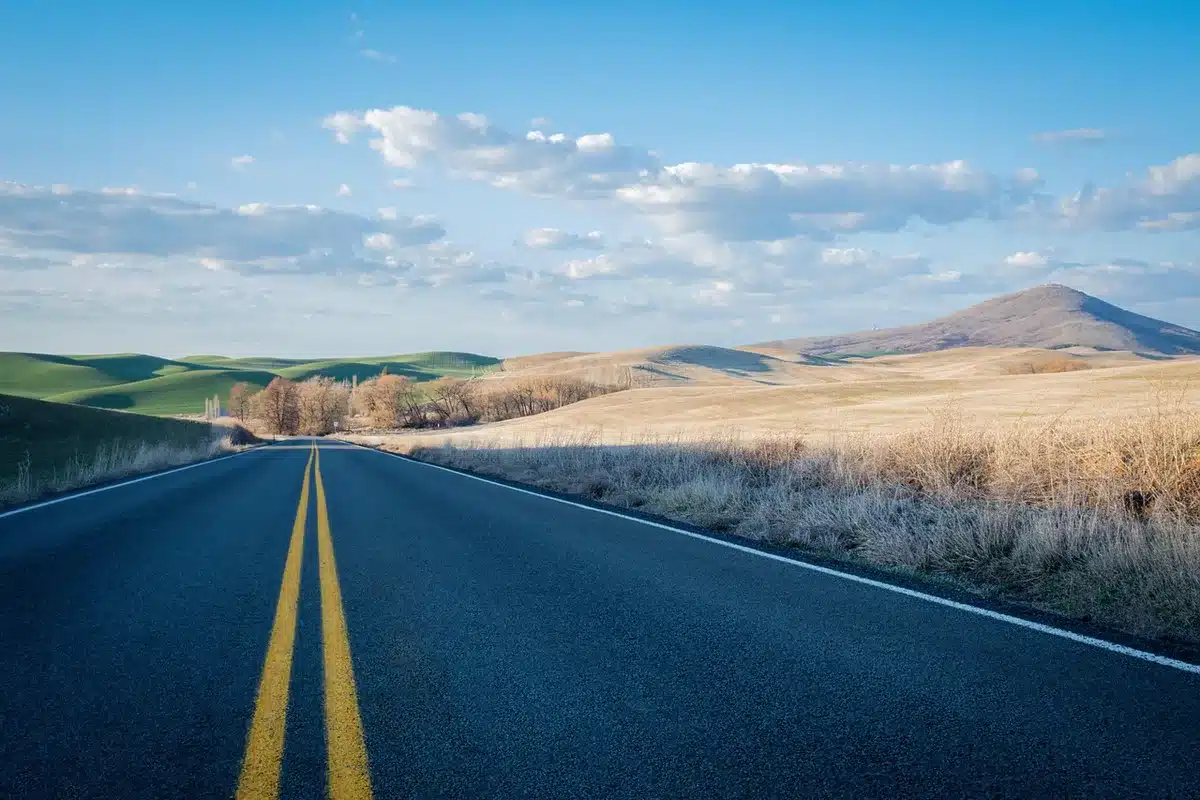
On long American highways, Pojmann says, riders often measure trips by miles and time. Long summer days, sweeping byways and the idea of an open road encourage covering distance.
Post Salt publishes Bikernet weekly news for August 28, 2026
Lab-grown neural tissue reads Braille and steers robot dogs
In Italy, by contrast, she finds riding compressed into shorter, denser days. Fewer miles can deliver equal satisfaction because of frequent stops, tighter turns and a sense that the journey is woven into daily life.
How road design alters the experience
Roads themselves demand different skills. Pojmann notes that Italian routes are typically narrower and more technical, requiring constant attention when cornering and negotiating mixed traffic.

Near Lake Como, for example, switchbacks and dramatic views invite frequent pauses. In upstate New York and similar U.S. regions, riders often encounter longer sweepers and open stretches that allow a steadier pace.
Practical tips for Americans touring Italy
Preparation matters, she warns, and flexibility pays off. Rural fuel stations can be sporadic, and many town centers enforce restricted traffic zones—known locally as ZTLs—that limit unauthorized access.
- Learn the basic local rules and signs before you go.
- Lock your motorcycle and avoid leaving valuables in panniers overnight.
- Expect easier parking for bikes but be ready for denser traffic patterns.
Those adjustments help make the ride smoother and protect the overall trip from avoidable setbacks.
Picking the right machine
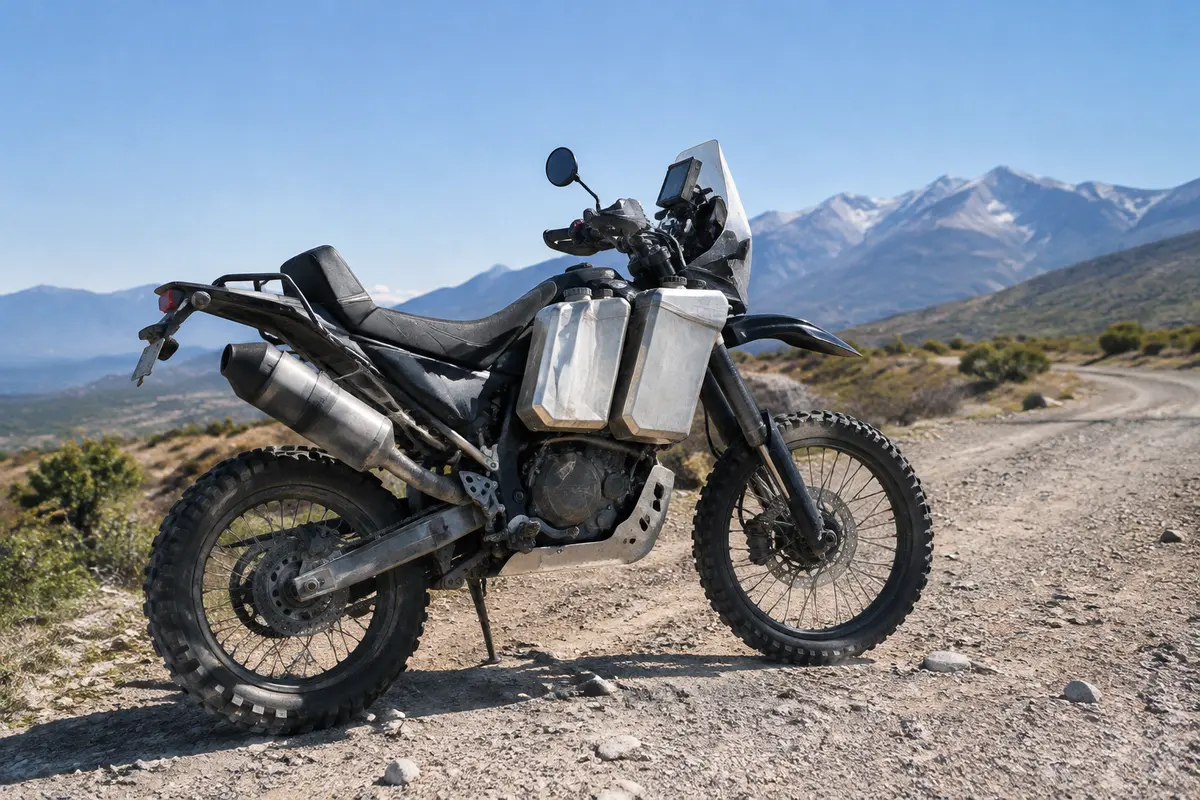
Pojmann recommends smaller or midsize bikes for many Italian routes because they handle narrow streets and heavy traffic more easily. Large tourers are still common, but they can feel cumbersome on tight passes or in old-town centers.
For U.S. touring, comfort and storage often favor bigger bikes—yet she stresses a practical point: you can ride anything anywhere if you choose to. Personal confidence and experience matter as much as the model.
Where to ride in a week
Iconic roads like the Stelvio Pass or the Amalfi Coast are spectacular, Pojmann says, but they draw heavy crowds in peak season. She encourages riders to look for less-traveled passes and backroads with the same technical challenge and scenery.
She also notes a mutual mythology: Italians often dream of riding Route 66 in the U.S., just as Americans romanticize Italian passes. Those myths inspire, but they can narrow choices.
As an alternative, she recommends events such as the Motogiro d’Italia. The six-day historical reenactment she rode five years ago offers marked routes, no need to carry all your luggage on the bike, and a social, food-centered atmosphere that highlights local roads rather than just famous sights.
The central idea of her book
Pojmann frames the U.S. and Italian approaches as complementary rather than competing. In America, she says, there is room to ride, to think and to travel far; in Italy, experiences are more immediate and concentrated.
For touring riders, that contrast is useful: it prompts a rethinking of what makes a great ride—distance, intensity, or the moments between. As she puts it, “the ride is ultimately what connects us all.”