Show summary Hide summary
Turning a race-ready concept into a reliable, affordable motorcycle for everyday riders requires more than engineering specs on paper. Johnny Campbell, a longtime R&D rider and development consultant for Honda Powersports, describes how test teams bridge the gap between factory design and real-world use in episode 16 of the Bore & Stoke podcast.
Racing instincts vs. production realities
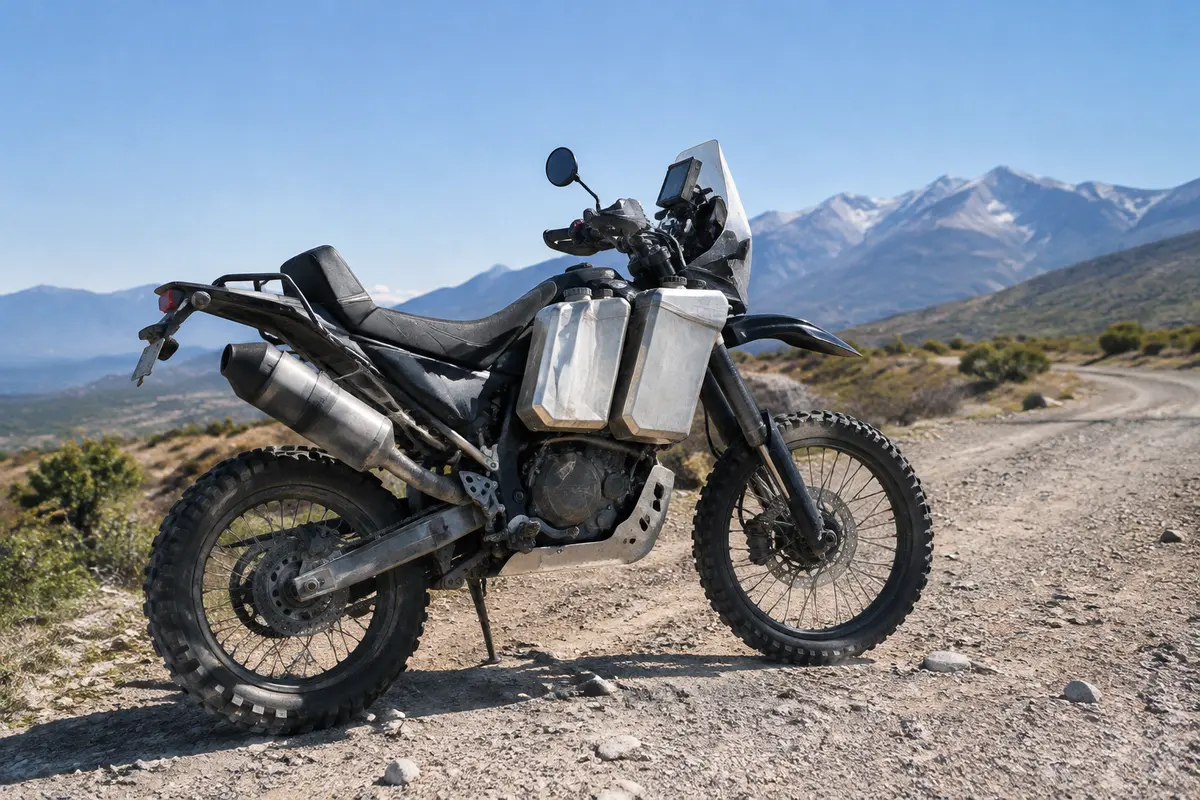
Campbell says the mindset for a race bike is radically different from that for a production model. A factory machine — such as the CRF450 Rally — can include exotic materials and bespoke geometry optimized for elite riders. Production trail bikes must meet a wider set of constraints.
Post Salt publishes Bikernet weekly news for August 28, 2026
Lab-grown neural tissue reads Braille and steers robot dogs
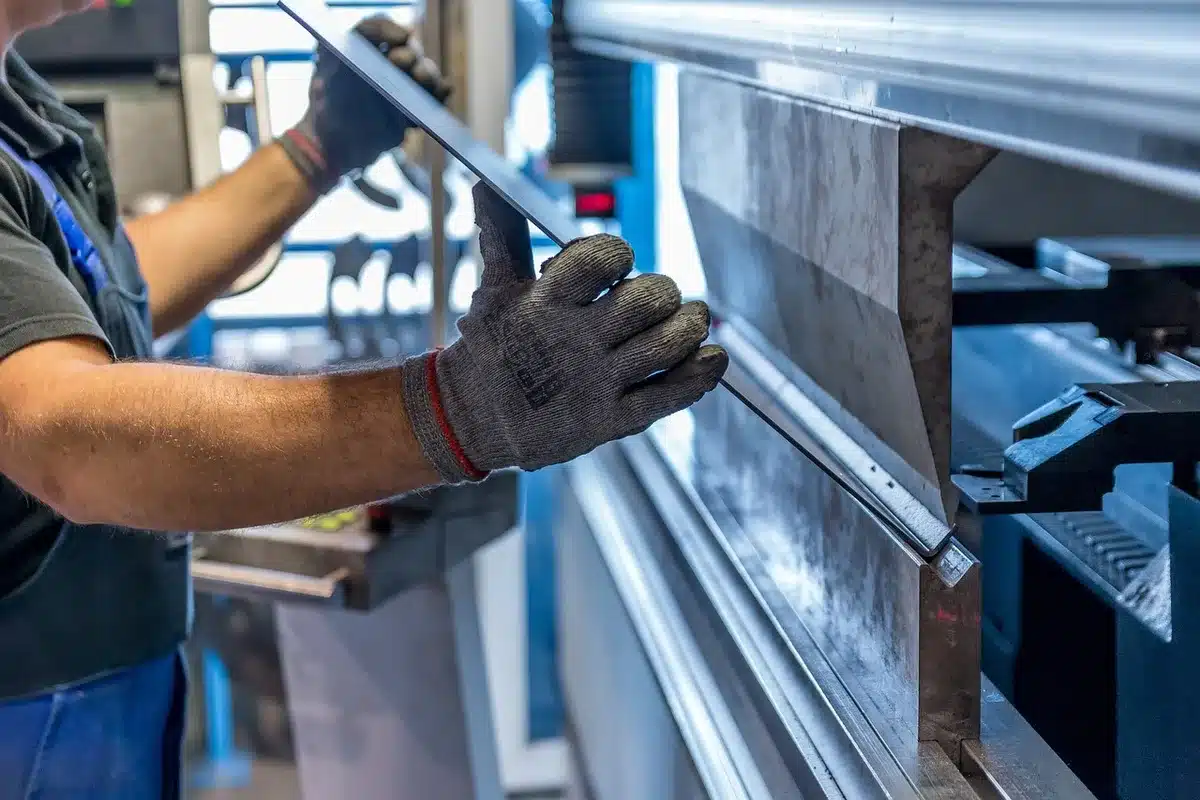
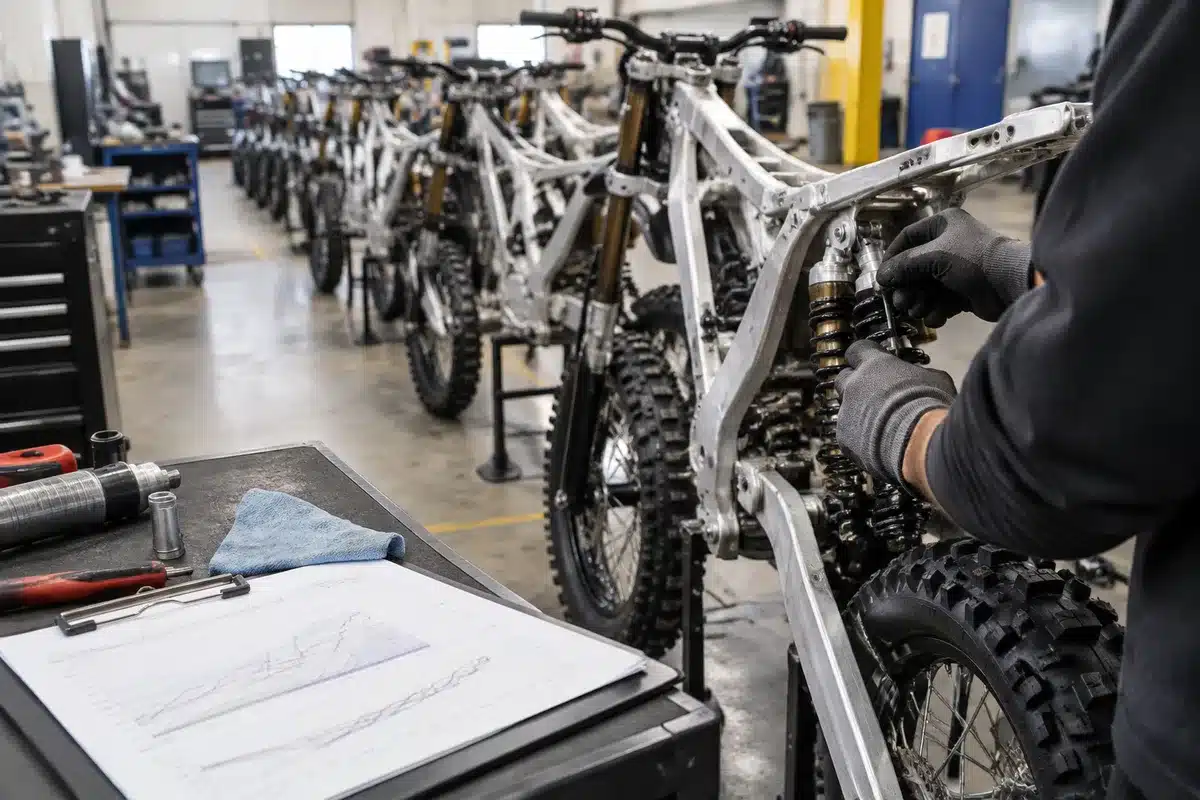
Those constraints include long-term durability, predictable handling for a range of abilities, and manufacturing cost limits. Engineers and designers must weigh those factors against peak performance goals.
Where test riders add value
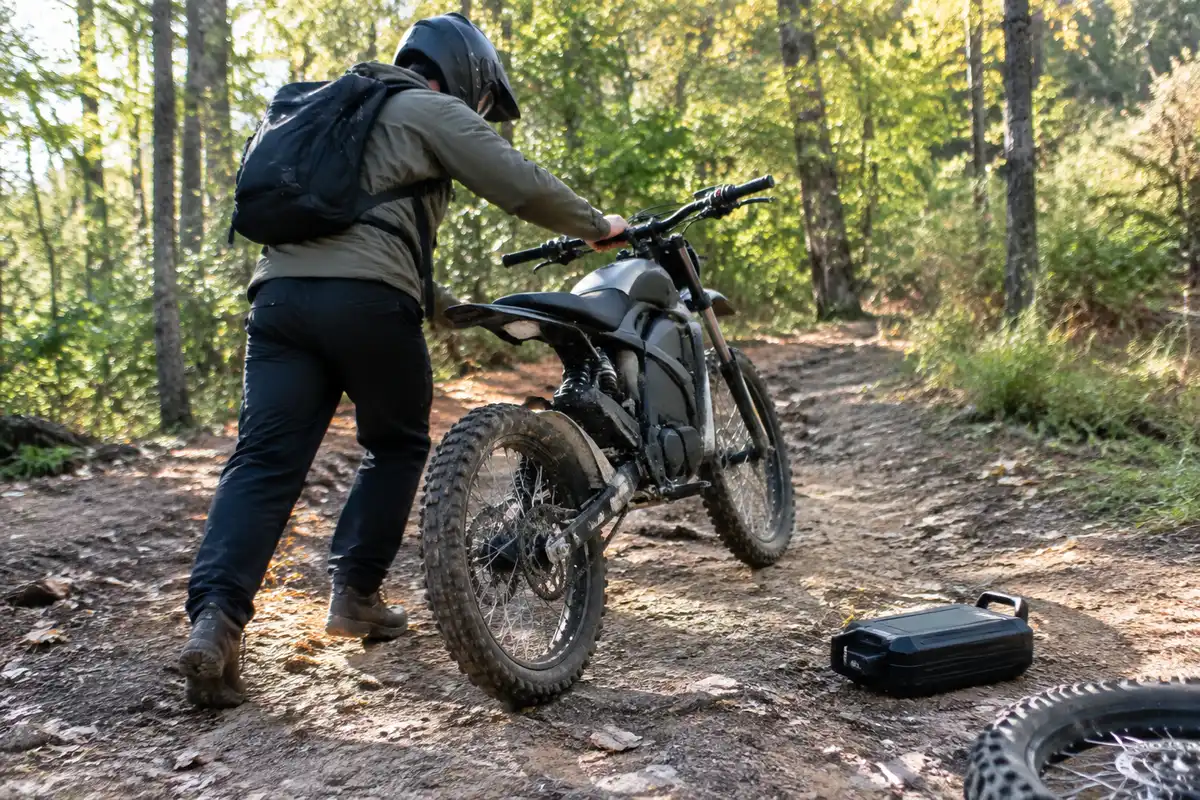
According to Campbell, test riders act as a practical filter for theoretical designs. He puts it plainly: “You have to respect the engineers — they have a great education in engineering, but they don’t always have practical application.” When a concept looks good digitally or on paper, riding it often reveals issues that need real-world fixes.
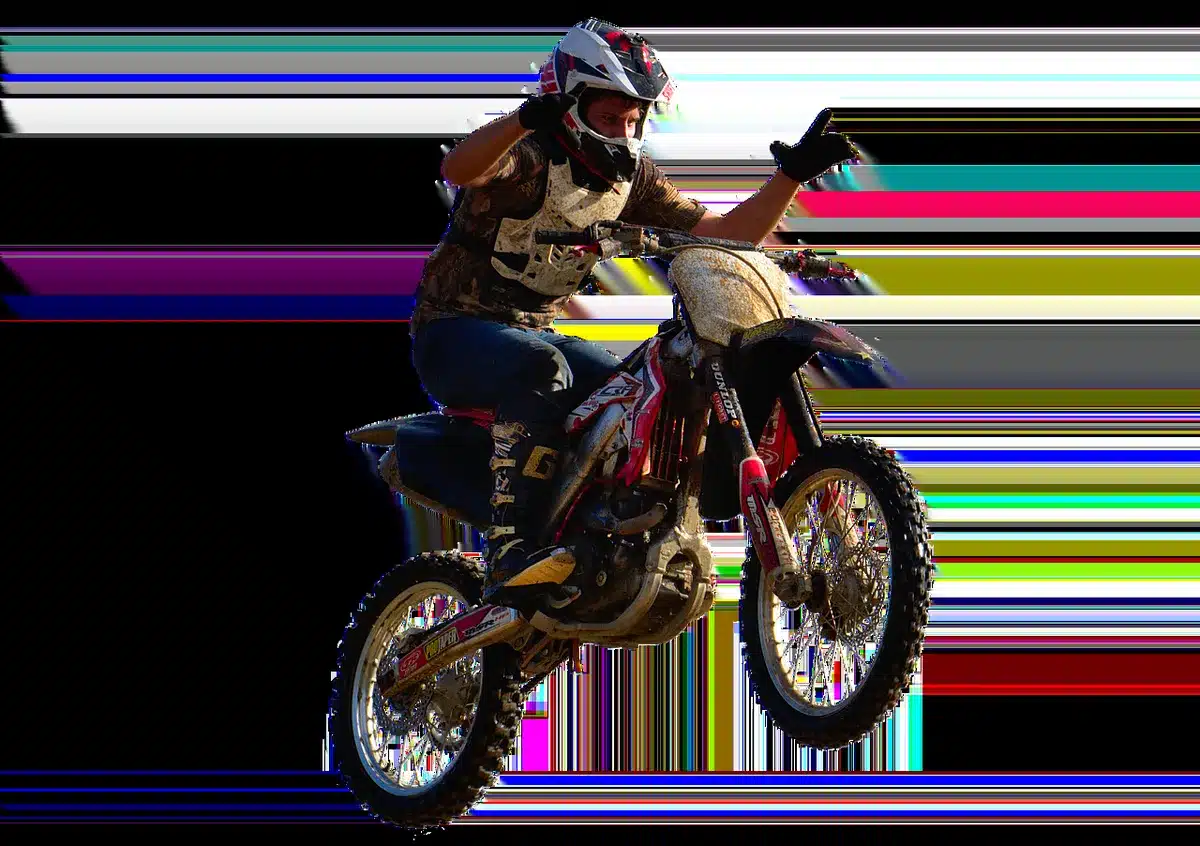
That dynamic becomes a collaborative process. Test teams identify rideability problems, then work with engineers to refine suspension, ergonomics, power delivery and other elements until the machine meets the program’s targets.
Balancing trade-offs
Campbell cautions that development requires stepping away from the “compromise-free” approach of racing. “As a racer, you want to go all the way,” he says. In contrast, production development demands alignment with budgetary limits and category goals.
- Performance — tuned for typical riders, not just pros
- Durability — parts and setup must last under diverse conditions
- Cost — materials and manufacturing choices affect price and availability
- Customer fit — the final product must match the expectations of the target buyer
Practical focus wins
For Campbell, success is measured by whether the finished bike meets its intended customer targets. “You have to calibrate your brain and ask: Have we met the target for the end customer? If we’ve hit the target, then we’ve done our job,” he says.
His perspective highlights why many production motorcycles look and feel different from race prototypes. The differences reflect deliberate trade-offs—choices aimed at making machines safer, more affordable, and better suited to everyday use.
Where to hear more
Campbell’s full comments and a deeper look at the development process are available on episode 16 of the Bore & Stoke podcast, where he and the hosts discuss specific examples and the give-and-take between test riders and engineers.