Show summary Hide summary
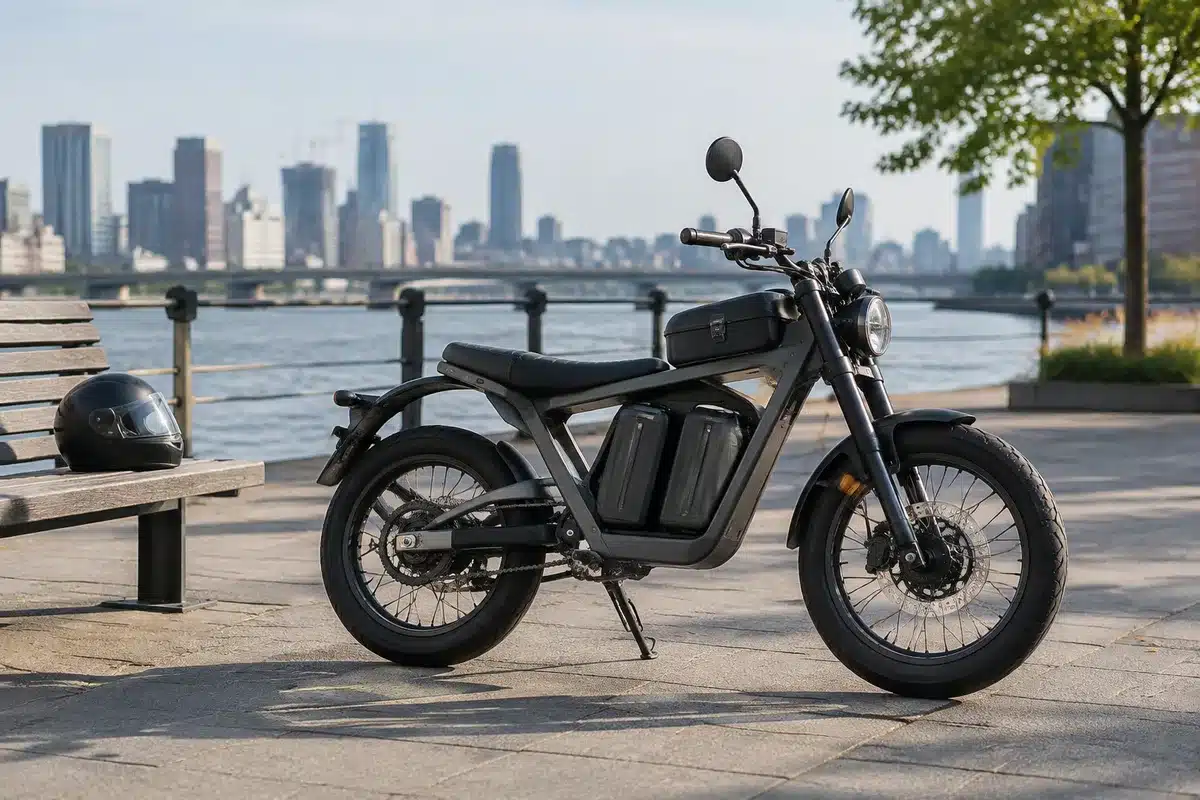
Maeving’s RM1S updates the company’s bestselling urban electric motorcycle with a significant performance tweak: a claimed top speed of 70 mph while retaining the RM1’s advertised 80-mile range and similar charge times. Built in Coventry, the RM1S aims to broaden the appeal of Maeving’s retro-styled commuter by making dual-carriageway travel practical as well as inner-city commuting.
How the RM1S differs from the RM1
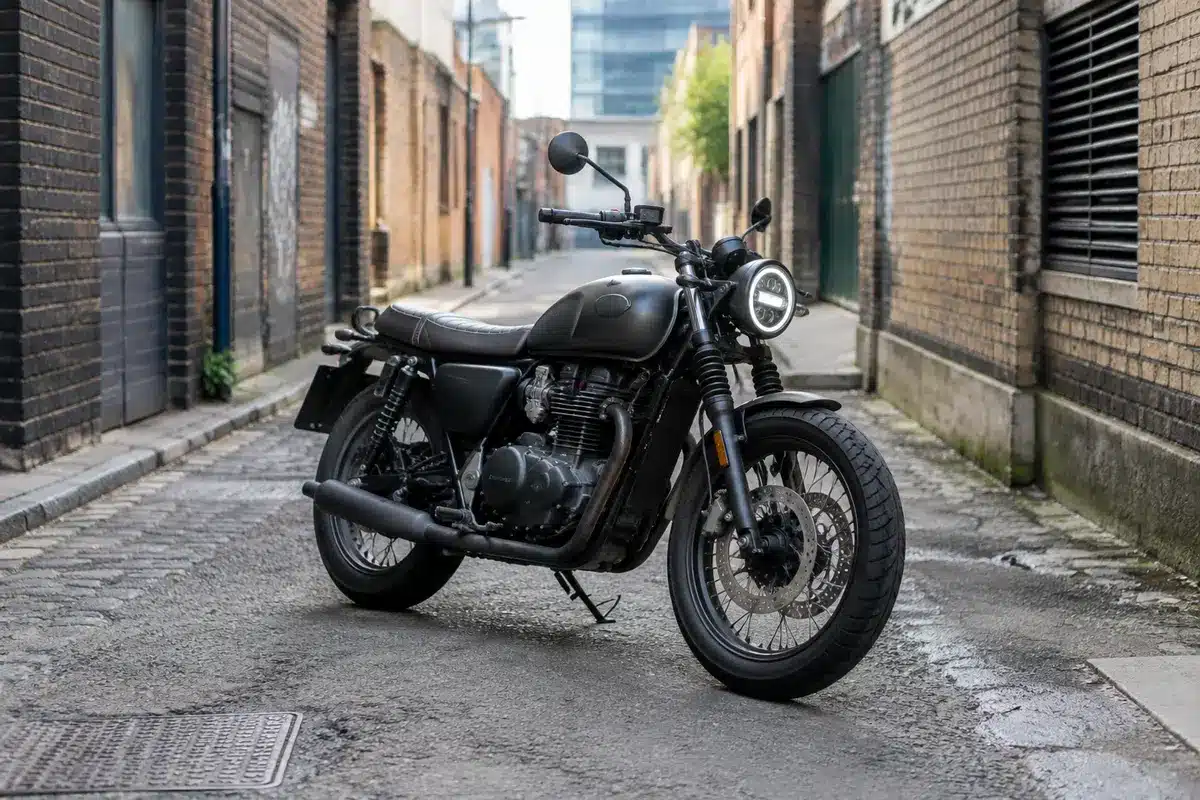
The original RM1 made a name as a compact, city-focused electric bike with a 45 mph limit. The RM1S keeps the same classic silhouette but adds more power and speed. Maeving has repositioned the batteries and revised the motor, moving both cells beneath the frame’s top tube and converting the former second-battery bay into a lockable 10-litre storage compartment.
Triumph Bonneville T40: 398cc single-cylinder powers the 2027 T40
Bikernet releases pre-rally weekly newsletter dated July 23, 2026
The company doubled the power output, taking peak figures to just under 15 bhp (roughly 11 kW), and raised top speed to a claimed 70 mph. Despite those changes, the firm quotes the same claimed range of 80 miles and similar recharging performance: the batteries can be charged from about 20% to 100% in roughly four hours. The twin battery packs remain removable, but can now also be charged while fitted in the bike.
Price, colours and how to buy
Maeving sells direct to customers rather than through dealers. The base RM1S is priced at £7,495. First-edition models — which include carbon front and rear mudguards and carbon trim on the battery box — can be reserved with a £500 deposit. Two premium liveries are offered at higher prices: the Vincent at £7,995 and the Gilbert at £8,195. There are seven standard colours and two premium schemes.
City riding and build quality
On short London runs the RM1S feels light and unthreatening. The bike’s ready-to-ride weight is 133 kg, and the low centre of gravity plus a 785 mm seat height make it easy to plant both feet at stops. The electric drive delivers brisk, immediate acceleration from lights — familiar to anyone who has ridden twist-and-go scooters — and three ride modes (Drive, Sport and Eco) change the top speed available rather than the throttle mapping.
Maeving’s attention to finish and materials stands out. Former staff from larger manufacturers have contributed to a high-quality fit and finish, with attractive paintwork and machined components. That premium feel is likely to matter as much to buyers as outright performance. Some lower-cost switchgear and brake levers feel less refined, but they function correctly.
Chassis, suspension and comfort
Handling in town is confident thanks to the bike’s lightness and balance. At slightly higher speeds around Regents Park the RM1S felt composed and stable. Ride quality over potholes and cobbles is a weakness: the test bikes carried optional K-Tech Racing adjustable rear shocks (a £725 option) that improved composure but could be harsh if not carefully dialled-in. A softer setup or lower preload may suit riders prioritising comfort.
The seat is tightly contoured and relatively small, which limits the rider’s ability to shift position on longer runs. Controls and peg placement are comfortable for most sizes, but long-distance touring is not the RM1S’s natural habitat.
Braking, regen and other mechanical notes
The RM1S uses a conventional front disc and a combined braking system (CBS) for the rear. The CBS allocates about 60% of braking force to the rear and 40% to the front, producing strong stopping power that requires a light touch — especially since the bike does not come with ABS. Maeving opted not to fit regenerative braking. Co-founder Will Stirrup told the reviewer that the system would deliver only modest gains — perhaps around a five percent energy recovery — while adding cost and complexity, so it was omitted.
Dual-carriageway performance
On faster stretches the RM1S is capable, if not sprightly. Acceleration above 45 mph is measured, but cruising at typical dual-carriageway speeds in the mid-50s is achievable with reserve to overtake slower traffic. The test could only nudge the speedo to about 65 mph before traffic prevented further runs, though a fully tucked position suggests the claimed 70 mph should be within reach.
Who should consider the RM1S?
The RM1S targets riders who want an electric alternative to 125cc commuter bikes and scooters but need a higher top speed for suburban or dual-carriageway commuting. Compared with petrol 125s the Maeving’s acceleration and usability are competitive, even if top speed may lag some geared machines. Price will be a barrier for some: cheaper petrol options exist, such as the Peugeot PM125 at about £2,999, less than half the RM1S’s base price.
Against electric rivals the RM1S is more favorably placed on cost and specification. Maeving’s price undercuts the listed cost of models such as the BMW CE 02 and the Kawasaki Z e1, while offering a similar or better claimed range and top speed and a standard lockable storage compartment.
Manufacturing in Coventry and strong retail performance give Maeving extra weight in a market that has already seen a couple of notable electric start-ups fail. That makes a UK-built, well-finished machine that sells well an important development for the industry.
Specification
| Motor | Hub-mounted |
| Power | 7.0 kW continuous / 10.5 kW peak (14 bhp peak) |
| Battery | 5.46 kWh (2 × 2.73 kWh) |
| Battery weight | 15 kg |
| Range | 80 miles (claimed) |
| Top speed | 70 mph (claimed) |
| Licence type | CBT and provisional |
| Suspension (F) | 37 mm non-adjustable forks, 110 mm travel |
| Suspension (R) | Twin RSU with preload adjustment, 80 mm travel |
| Brake (F) | Single 240 mm disc |
| Brake (R/CBS) | Single 180 mm disc (40% front / 60% rear split) |
| Weight | 133 kg (ready to ride) |
| Seat height | 785 mm |