Show summary Hide summary
The 2025 Harley-Davidson Low Rider ST revives a classic West Coast silhouette while packing a substantially reworked powertrain and rider aids. In testing, the bike surprised by combining thunderous acceleration with surprisingly composed handling — at a price that places it firmly in premium cruiser territory.
Heritage and styling
Harley-Davidson designed the Low Rider ST (FXLRST) as a modern echo of the early‑1980s FXRT Sport Glide — a model credited with changing perceptions of what a Harley could handle. The FXRT, produced from 1983 to 1992 and influenced by Willie G. Davidson and engineer Erik Buell, is the clear reference point for the ST’s swept fairing and slim panniers.
Triumph Bonneville T40: 398cc single-cylinder powers the 2027 T40
Bikernet releases pre-rally weekly newsletter dated July 23, 2026

The result is a bike with genuine presence. The old‑school fairing, mini T‑bars and prominent air intake give the Low Rider ST a distinct West Coast character without the bulk of Harley’s full touring machines. The styling is divisive, but rarely dismissed as unattractive.
Powertrain and ride modes
The 2025 update gives the Low Rider ST the 1923cc Milwaukee‑Eight 117 High Output V‑twin. Harley-Davidson specifies peak outputs of 112 bhp at 5,020 rpm and 127.5 lb‑ft of torque at 4,000 rpm. The engine is tuned to deliver strong midrange shove while remaining tractable at highway speeds.
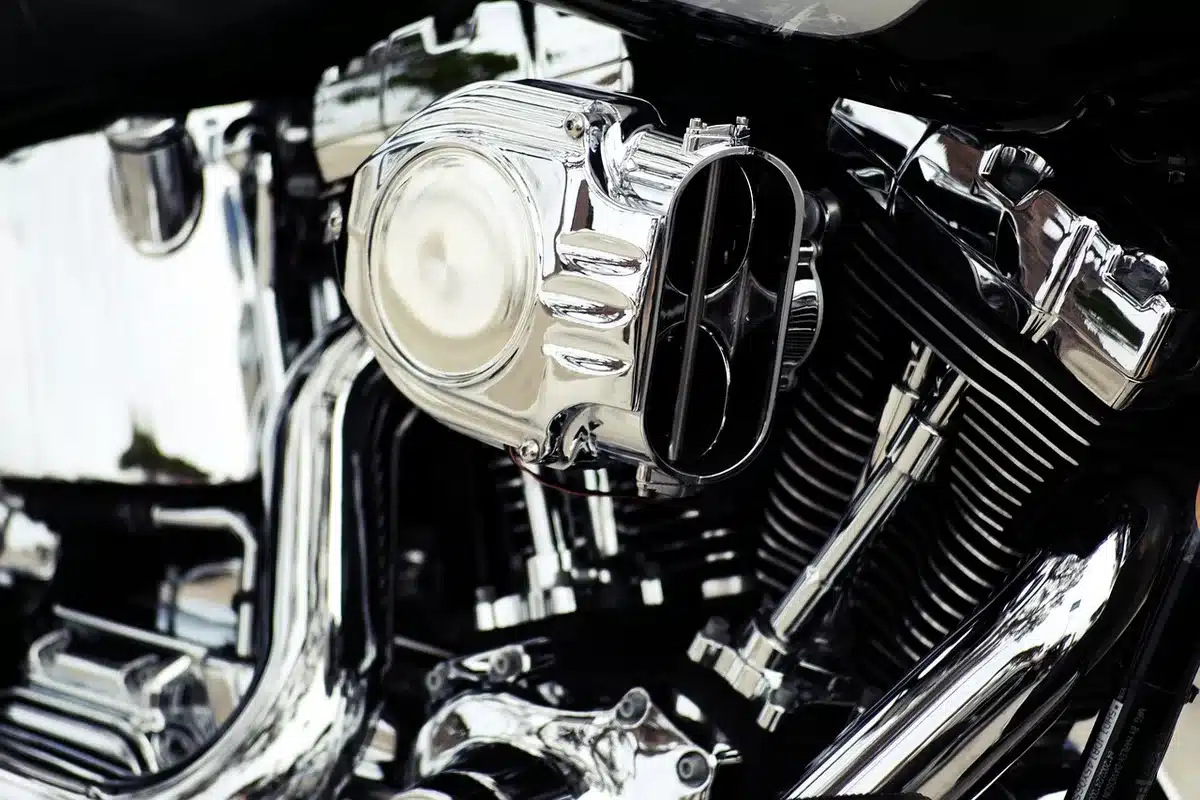
Harley now offers three distinct engine tunes across the Softail range: Classic, Custom and High Output. According to Harley‑Davidson, the Classic tune favors a “smooth street performance with a flat torque curve,” the Custom boosts acceleration and highway drivability, and the High Output is “ideal for riders who crave high performance in the upper rev range.” The Low Rider ST wears the High Output tune and is matched to three riding modes: Sport, Road and Rain.
Ergonomics, luggage and everyday usability
The seat is comfortable and sits at 715 mm, making it reasonably accessible for many riders. You sit in an assertive, mid‑set posture with arms reaching toward the T‑bars. The Low Rider ST I rode was fitted with accessory forward pegs; these push the rider’s knee close to the large air intake and can hinder access to the rear brake — an issue worth noting when considering aftermarket changes.
Harley fits the bike with slim, lockable panniers that combine to a quoted 50‑liter capacity. In practice, their shape and internal space make them feel tighter than the headline figure suggests — expect closer to 20 liters per side for practical packing. The 18.9‑litre fuel tank and well‑implemented cruise control, though, make the Low Rider ST well suited to longer rides.
How it rides
On the move, the Low Rider ST’s weight (304 kg) fades and the machine feels markedly more agile than many big Harleys. It’s the best‑handling bike in the current Softail family, striking a balance between cruiser heft and a surprisingly flickable turn of pace. The suspension soaks up surface imperfections well and gives the bike a composed feel on fast, sweeping bends.
Braking performance is backed by twin front discs and four‑piston calipers, while the front end is prone to dive under hard anchoring — a familiar trait on Softails. The six‑speed gearbox shifts with a firm, mechanical thunk and the clutch requires a solid pull, in keeping with big‑twin character.
Technology and rider aids
Harley has layered modern safety and convenience systems into the Low Rider ST with minimal visual intrusion. Cornering ABS, cornering traction control and Drag Torque Slip Control are included, alongside tyre pressure monitoring and an effective cruise control system. A discreet USB‑C port sits beneath the tank for device charging.
The instrument cluster is conservative in appearance: a round analogue speedometer above a digital information panel that shows fuel level, riding mode, trip data, tyre pressure and other essentials. The controls on the grips are functional, though some functions require several presses to access.
Practical figures and specification
For riders comparing models, here are the key technical details and measured figures supplied by Harley‑Davidson:
| Starting price | £21,295 |
| Engine | 1923cc air/oil‑cooled Milwaukee‑Eight 117 High Output V‑twin |
| Power | 112 bhp @ 5,020 rpm |
| Torque | 127.5 lb‑ft @ 4,000 rpm |
| Transmission | Six‑speed |
| Weight | 304 kg |
| Fuel capacity | 18.9 litres |
| Seat height | 715 mm |
| Wheelbase | 1,615 mm |
| Tires (front) | 110/90B19, 62H, BW |
| Tires (rear) | 180/70B16, 77H, BW |
| Brakes (front) | Dual disc, four‑piston caliper |
| Brakes (rear) | Single disc, two‑piston caliper |
| Suspension (front) | Single‑cartridge 43 mm inverted fork |
| Suspension (rear) | Coil‑over monoshock; 56 mm stroke; hydraulic preload adjustment |
Assessment
The Low Rider ST blends classic Harley style with modern performance and electronics. It accelerates with the kind of theatrical shove many riders expect from a big V‑twin, yet it also behaves in a way that makes longer, faster rides comfortable and controlled.
Its most obvious drawback is cost: the bike sits at a premium starting price of £21,295. Still, for buyers seeking a cruiser that looks unmistakably familiar while offering contemporary capability, the Low Rider ST represents a compelling — if expensive — package.