Show summary Hide summary
Harley-Davidson’s 2025 Street Bob keeps the brand’s familiar silhouette while packing a series of mechanical and electronic upgrades that change the riding experience more than its looks suggest. After three weeks aboard the new model, the bike felt like a clearer expression of classic cruiser character — but one with modern power delivery, rider aids, and refined details.
Design and first impressions
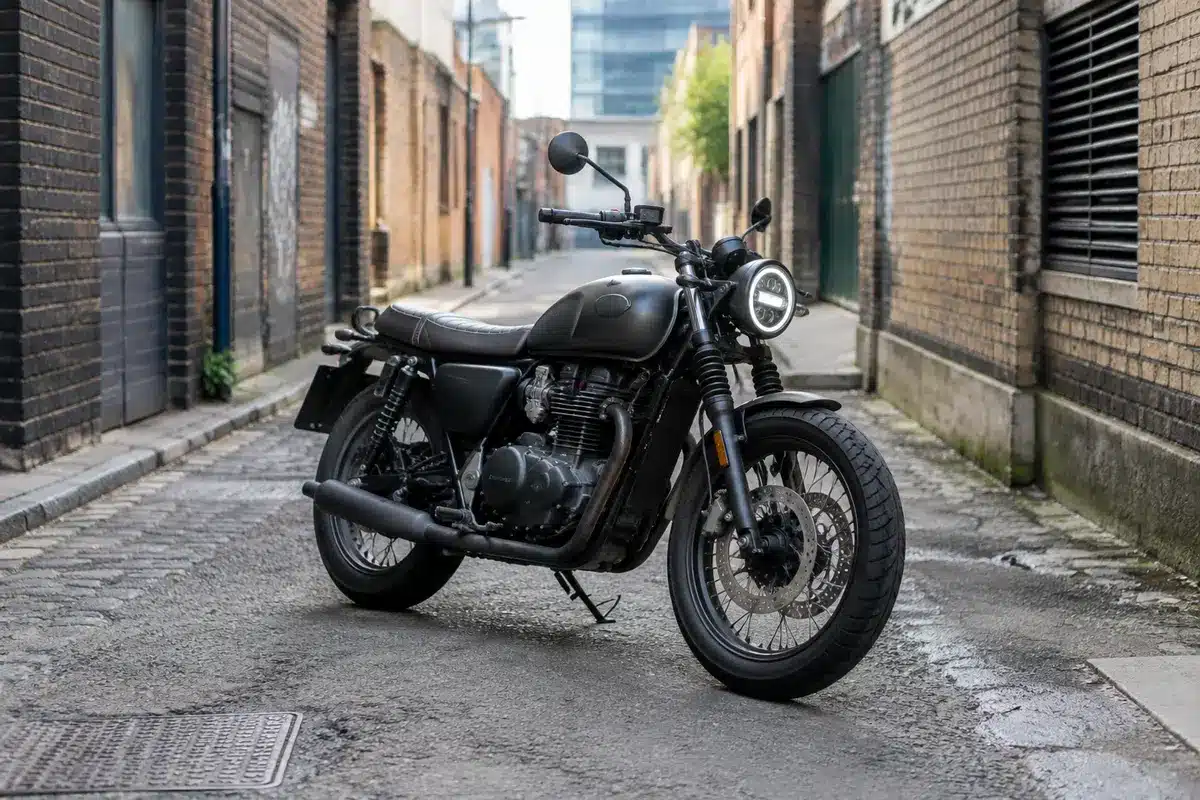
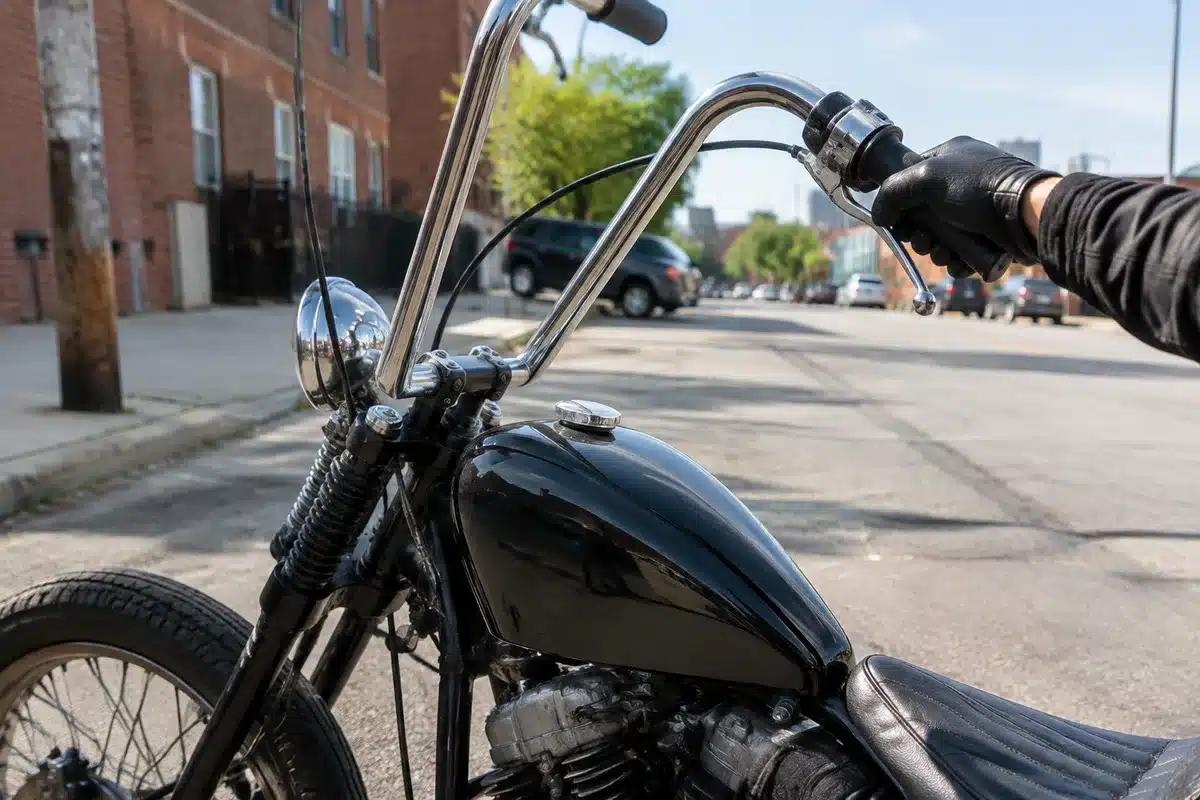
The Street Bob is instantly recognisable: stripped-back lines, ape-hanger style bars and minimal bodywork that channel the bobber and chopper traditions. From a distance a new Street Bob looks much like one from earlier years, and that is no accident — Harley has long aimed to preserve a timeless profile while updating the underlying machine.
Triumph Bonneville T40: 398cc single-cylinder powers the 2027 T40
Bikernet releases pre-rally weekly newsletter dated July 23, 2026
Mounting the bike highlights those old-school cues. The seat sits low at 680 mm</strong), the riding position is compact and forward-leaning, and the small 13.2 litre tank keeps you topping up often. For some riders the ergonomics feel awkward at first; for others there’s a surprising calm to the posture once you accept it.
How it feels in use
Although the Street Bob isn’t light — the review notes a running-order weight of 293 kg — the big V-twin hangs low and the mass is manageable in everyday riding. The circular analogue speedo with an LCD readout is tidy and informative, but navigating menus can be fiddly; basic tasks like setting the clock took more time than expected.
Engine and on-road performance
At the centre of the update is the Milwaukee Eight 117 Classic V-twin. The “117” denotes displacement in cubic inches; in metric terms the engine is 1923 cc. Peak outputs are listed at about 90 bhp at 5,020 rpm and 115 lb-ft of torque at 2,750 rpm, figures that underline the bike’s torque-focused character.
The Classic tune prioritises usable, low-end power with a flat torque curve. In practice that means immediate, heavy torque from idle and smooth delivery across the rev range. The engine feels more willing to rev than earlier iterations and gears feel taller, with sixth acting as a clear overdrive on the highway.
Shifts have a purposeful, mechanical engagement — not razor-sharp sportbike slickness, but improved smoothness compared with older Harleys. Clutch pull remains relatively heavy, a long-standing Harley trait that takes a bit of strength and habit to manage in town.
Chassis, handling and brakes
For 2025 Harley swapped progressively wound rear springs for straight-rate springs; on the road any change is subtle. The Street Bob holds together well through corners for a cruiser, but it is not designed for aggressive sport riding. Lean angle is limited (about 28.5° each side) and the riding position places the heel lower than the peg, so the boot will be the first thing to touch down.
Suspension travel is relatively modest and large, sharp bumps are felt firmly through the chassis — part of the bike’s raw, unvarnished character that many buyers expect. Braking hardware is conservative: a single front disc with a four-piston caliper up front and a single disc/two-piston set at the rear. They are improved over past setups but remain oriented to the cruiser’s mission rather than track performance.
Electronics and rider aids
Harley has equipped the Street Bob with modern systems that were previously uncommon on its cruisers. The package includes selectable ride modes — Sport, Road and Rain — alongside cornering ABS, cornering traction control, Drag Torque Slip Control, tyre pressure monitoring and cruise control. A USB-C charging port sits neatly under the tank and the instrument cluster uses a readable 4-inch LCD.

Traction control and Rain mode are welcome additions given the engine’s strong low-end shove, although the reviewer’s time with the bike took place in dry conditions and so the wet-weather performance of the systems could not be fully evaluated.
Practical notes
Fuel range is limited by the small tank; frequent stops are part of the Street Bob ownership experience. The transmission’s long gearing and abundant torque make relaxed A-road cruising effortless, but spirited stretches reveal the bike’s physical limits compared with lighter, more sport-oriented machines.
|
STARTING PRICE |
£14,495 |
|
ENGINE |
1923cc air/oil-cooled Milwaukee Eight 117 Classic V-twin |
|
POWER |
90 bhp @ 5020 rpm |
|
TORQUE |
115 lb-ft @ 2750 rpm |
|
TRANSMISSION |
Six-speed |
|
WEIGHT |
Spec sheet: 263 kg; on-road running order noted at 293 kg |
|
FUEL CAPACITY |
13.2 litres |
|
SEAT HEIGHT |
680 mm |
|
WHEELBASE |
1630 mm |
|
TIRES (FRONT) |
19-inch tubeless |
|
TIRES (REAR) |
16-inch tubeless |
|
BRAKES (FRONT) |
Single disc, four-piston caliper |
|
BRAKES (REAR) |
Single disc, two-piston caliper |
|
SUSPENSION (FRONT) |
49 mm telescopic fork |
|
SUSPENSION (REAR) |
43 mm coil-over monoshock with preload adjustment |
Where this bike fits
The Street Bob remains a deliberately focused cruiser: minimal, muscular and tuned for character rather than outright sport. Harley’s 2025 updates — a large-displacement 117 unit in Classic tune, refined transmission feel, and a suite of electronic aids — make the bike more usable and confident than many earlier iterations, while the familiar styling keeps it recognisably a Harley.
If you appreciate the cruiser philosophy, the Street Bob represents one of the strongest expressions of that lineage in Harley’s current range. If you prefer lighter, sharper-handling machines, this is not the bike for you — but that is by design, not accident.