Show summary Hide summary
Yamaha is re-entering the European big-wheel scooter market with an electric 125-equivalent, the Xenter E, shown at EICMA in Milan and scheduled to reach Europe in spring 2027. The model targets riders who favour larger wheels for rough urban surfaces and follows a petrol-powered Xenter concept also presented at the show.
Design and drivetrain
The Xenter E uses a frame-mounted drive unit Yamaha calls an eAxle: an air-cooled permanent-magnet motor, controller and reduction gear packaged together. Yamaha quotes a peak output of 10bhp at 3,500rpm and 24.6lb.ft of torque from 500rpm, with final drive by belt to the rear wheel.
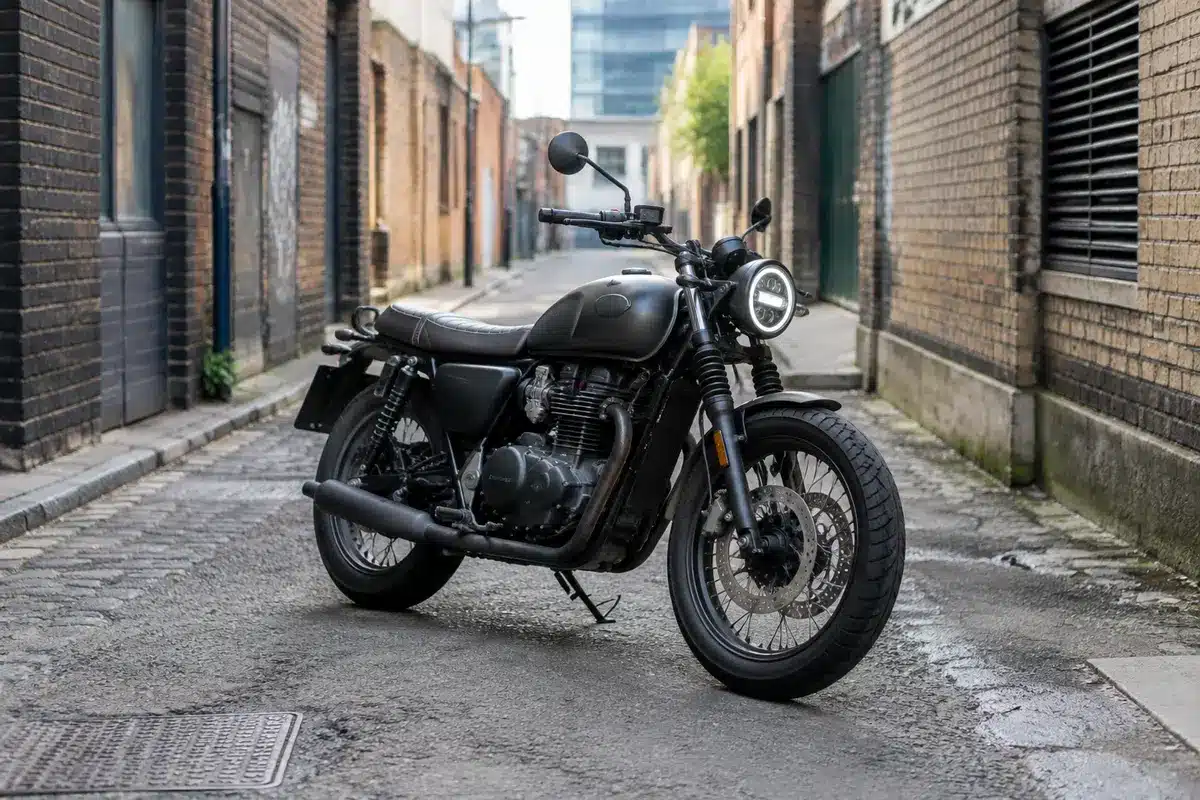
Triumph Bonneville T40: 398cc single-cylinder powers the 2027 T40
Bikernet releases pre-rally weekly newsletter dated July 23, 2026
By mounting the drive to the frame rather than the swingarm, Yamaha reduces unsprung weight and fits a motorcycle-style swingarm. The scooter rides on 16-inch wheels, a common choice for negotiating cobbles, tram tracks and potholes in European cities.
Battery placement and protection
The Xenter E carries a fixed 3.5kWh lithium-ion battery arranged in an L-shape low and central in a new underbone frame. Yamaha says this layout preserves a flat footboard and retains underseat storage large enough for a full-face helmet, depending on size.
The battery assembly is rated IP67 for water and dust resistance and sits within a protective housing designed to withstand impacts from curbs and speed bumps.
Range, charging and public charging access
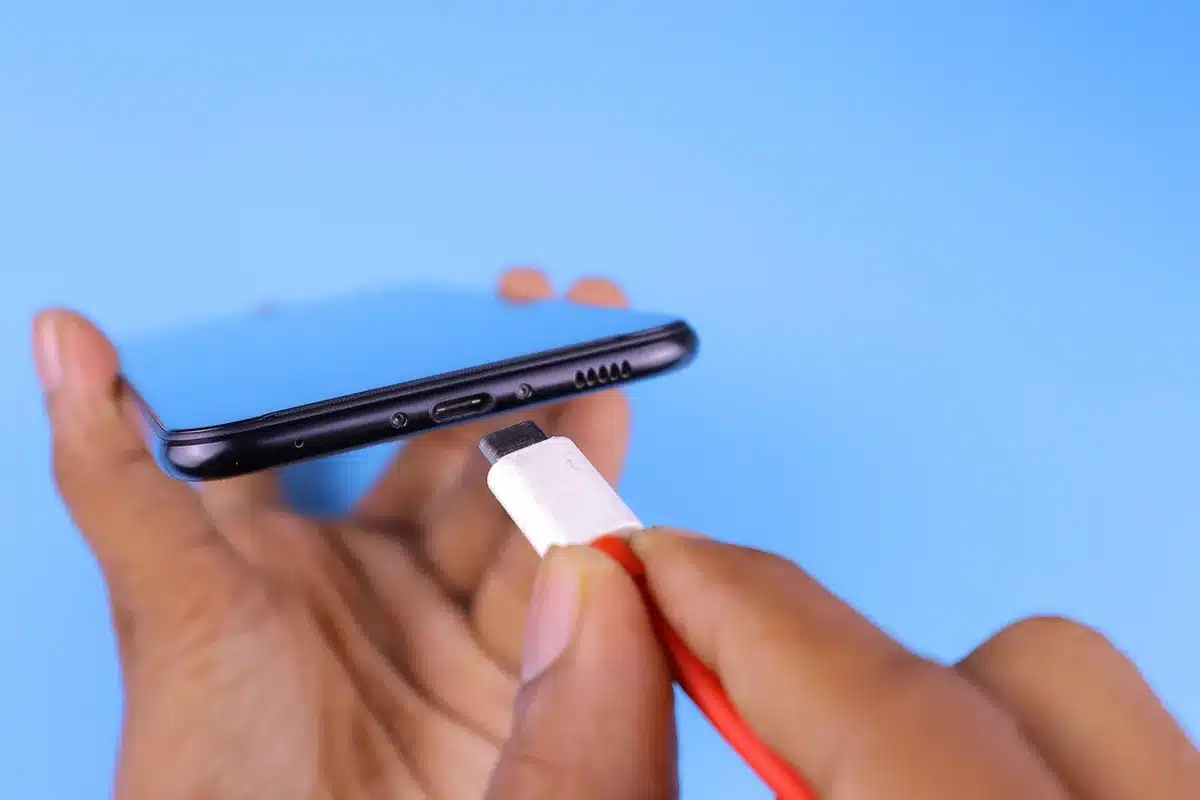
Yamaha claims a range of about 67 miles for the Xenter E. Onboard charging is handled by an 800W charger that takes roughly 5.5 hours to reach full from empty. The charging port, located in a side pocket, accepts a domestic cable and the AC Type 2 connector used at public car chargers.
The company plans a dealer-based subscription called “YOU Charge” to provide access to public charging networks, with rollout across Europe from early 2027.
Chassis, brakes and rider aids
Key chassis dimensions include a 1,485mm wheelbase and a 790mm seat. Suspension travel is 100mm at the front and 97mm at the rear. Tyres are 100/80 at the front and 120/80 at the rear.
Stopping power comes from 245mm discs both front and rear with ABS. Regenerative braking is selectable by riding mode and tuned to replicate traditional engine braking. Traction control is standard, and the scooter also features a low-speed reverse function—activated by pressing the Reverse and Mode buttons together—that moves the bike backwards at below walking pace.
Controls, instruments and connectivity
Riders choose between three modes: S (strong acceleration), T (everyday) and E (range-focused). Mode selection appears on a 5-inch TFT instrument with separate day and night layouts and a power visualiser. Yamaha also offers the Yamaha Motor On app for turn-by-turn navigation, battery and service status, and parking location.
Onboard conveniences include a USB-C socket in a front cubby, a folding bag hook at knee height and smart-key ignition as standard.
Variants, accessories and production
The Xenter E will be available in Platinum Silver or Midnight Black, both with aqua accents. Yamaha has prepared accessories such as a tall screen, apron, lever guards and a 34-litre top box. A related 13-inch-wheeled model, the NMAX E, shares the same powertrain and is rated at a 104km range. Yamaha says both models will be manufactured in Vietnam.
Pricing has not yet been announced; Yamaha says local distributors will provide details.
Petrol Xenter concept and market prospects
At EICMA Yamaha also displayed a petrol-powered Xenter concept. The company released no technical specifications, describing only a twist-and-go high-wheel scooter equipped with ABS and traction control and pitched at urban and suburban first-time buyers. There is no indication yet whether that concept will enter production.
Industry observers expect high-wheel scooters to remain popular in cities across Asia and mainland Europe. Yamaha’s return to the segment could also find a market in the UK, where urban delivery and two-wheel commuter traffic continue to grow.