Show summary Hide summary
The Bantam name is back on a new compact roadster from BSA, pitched at riders who want a practical, affordable machine for city commutes and light weekend trips. It delivers a surprisingly smooth 334cc single-cylinder engine and a low entry price, but some obvious cost-cutting and an odd control setup raise questions about polish and identity.
A familiar name, a modern machine
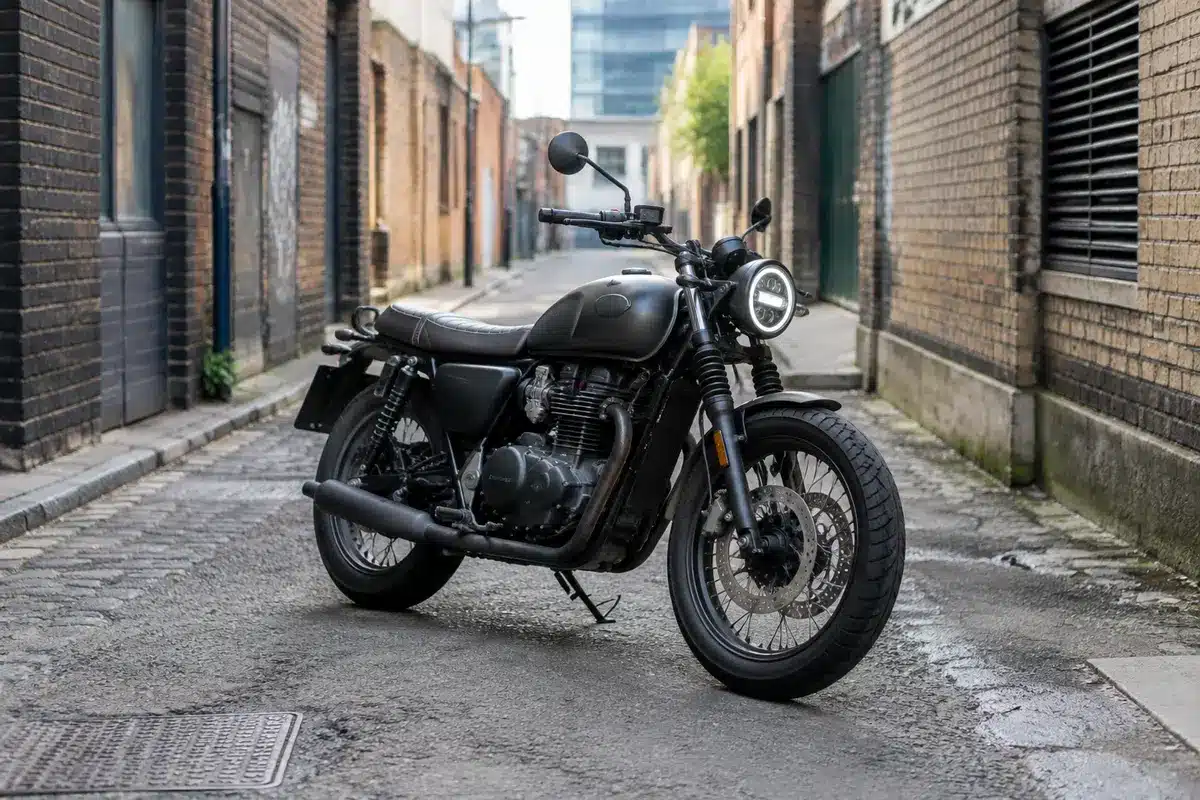
BSA once meant one of Britain’s dominant motorcycle makers. The marque’s revival is now overseen by Mahindra, which returned the brand to showrooms with the Gold Star 650 in 2021 and has since expanded the range. The latest model, badged the Bantam 350, trades historic likeness for contemporary styling and a competitive price point of £3,499.
Triumph Bonneville T40: 398cc single-cylinder powers the 2027 T40
Bikernet releases pre-rally weekly newsletter dated July 23, 2026
That strategy appears deliberate. The bike is aimed at new riders and commuters who value light handling and a low-cost entry to motorcycling more than faithful retro detailing. Industry observers have already noted visual and mechanical parallels with other models in Mahindra’s stable.
Design and fit
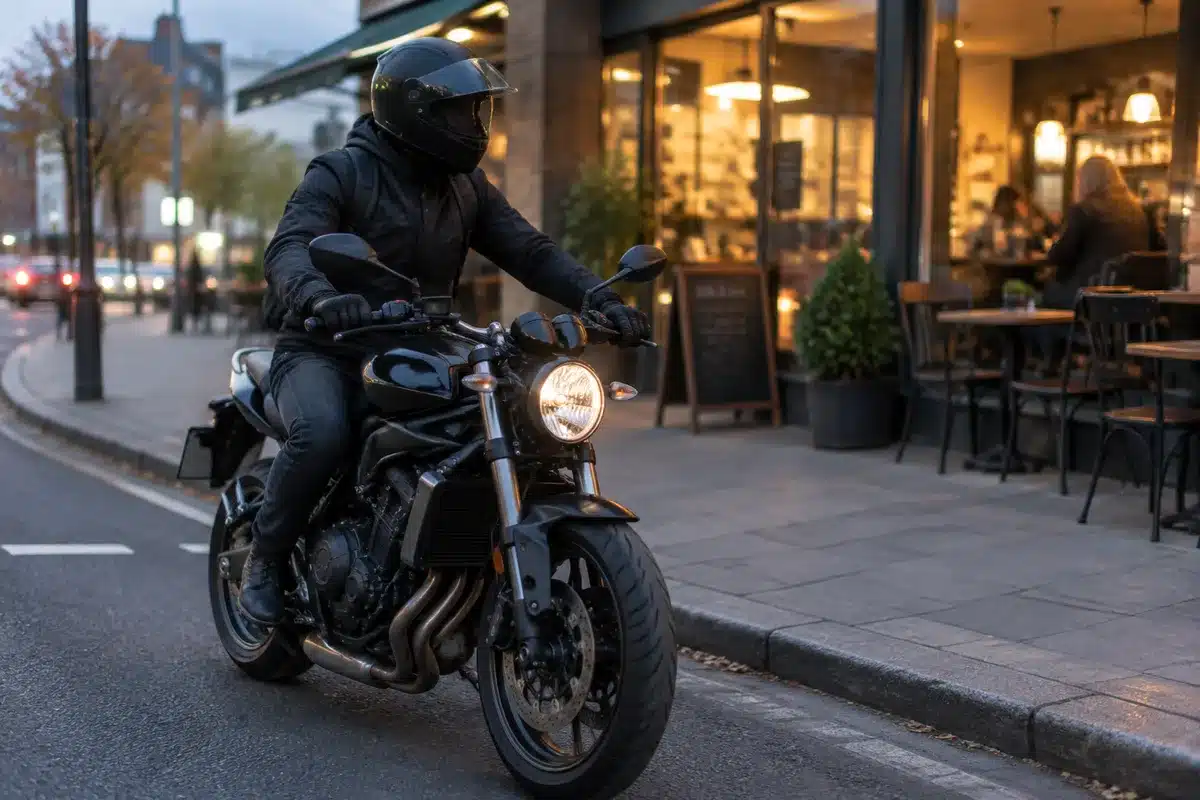
The Bantam 350 presents itself as a compact, modern roadster rather than a faithful revival of the original Bantam. It keeps a round headlight but otherwise favors streamlined, contemporary cues. Fit and finish are generally tidy for the price, although plastic trims and some economical components signal where savings were made.
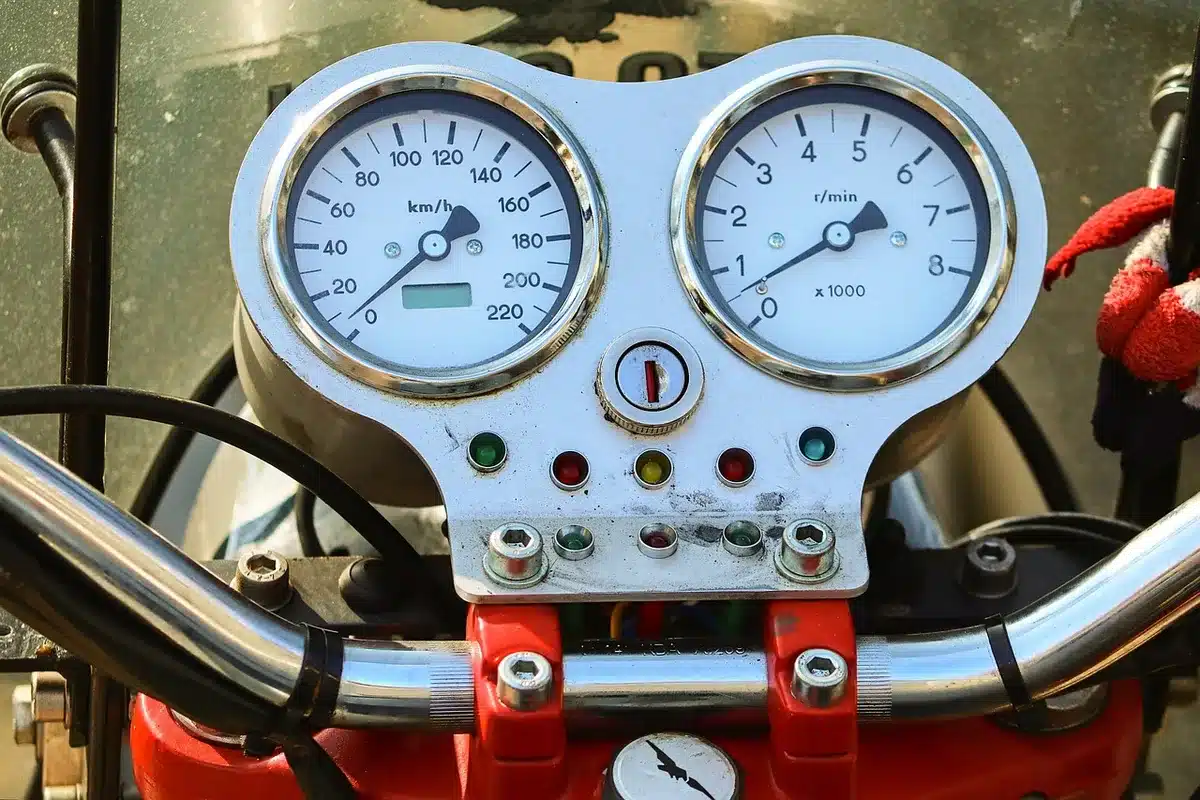
Ergonomically the bike works well. The seat sits at an 800 mm height, and a 6-foot-1 rider finds it comfortable and composed. Controls fall naturally to hand and foot, and the instrument display greets the rider with a brief “Hi” before showing speed, revs, gear position and trip data.
One notable omission is USB connectivity. At the UK press launch, the lack of a USB-C port was flagged as a surprising oversight; BSA has hinted this could be addressed before dealer deliveries, though that remains unconfirmed. The mirrors are another weak point — several riders described them as inadequate for safe lane monitoring.
The puzzling switchcube
A small but conspicuous curiosity is the left-handle switch module. It contains four buttons labeled “M,” “S,” and up/down arrows, a layout that suggests menu navigation or connected features. In practice, the functionality is limited: “M” toggles between odometer and trip displays and holding “S” resets trips. The up arrow changes the clock format; the down arrow does nothing.
The inclusion of a partly redundant control cluster has led to questions about parts-sharing and whether components were adapted from other models without full recalibration. For a brand invoking craftsmanship and continuity, the mismatch feels at odds with that message.
Powertrain, brakes and chassis
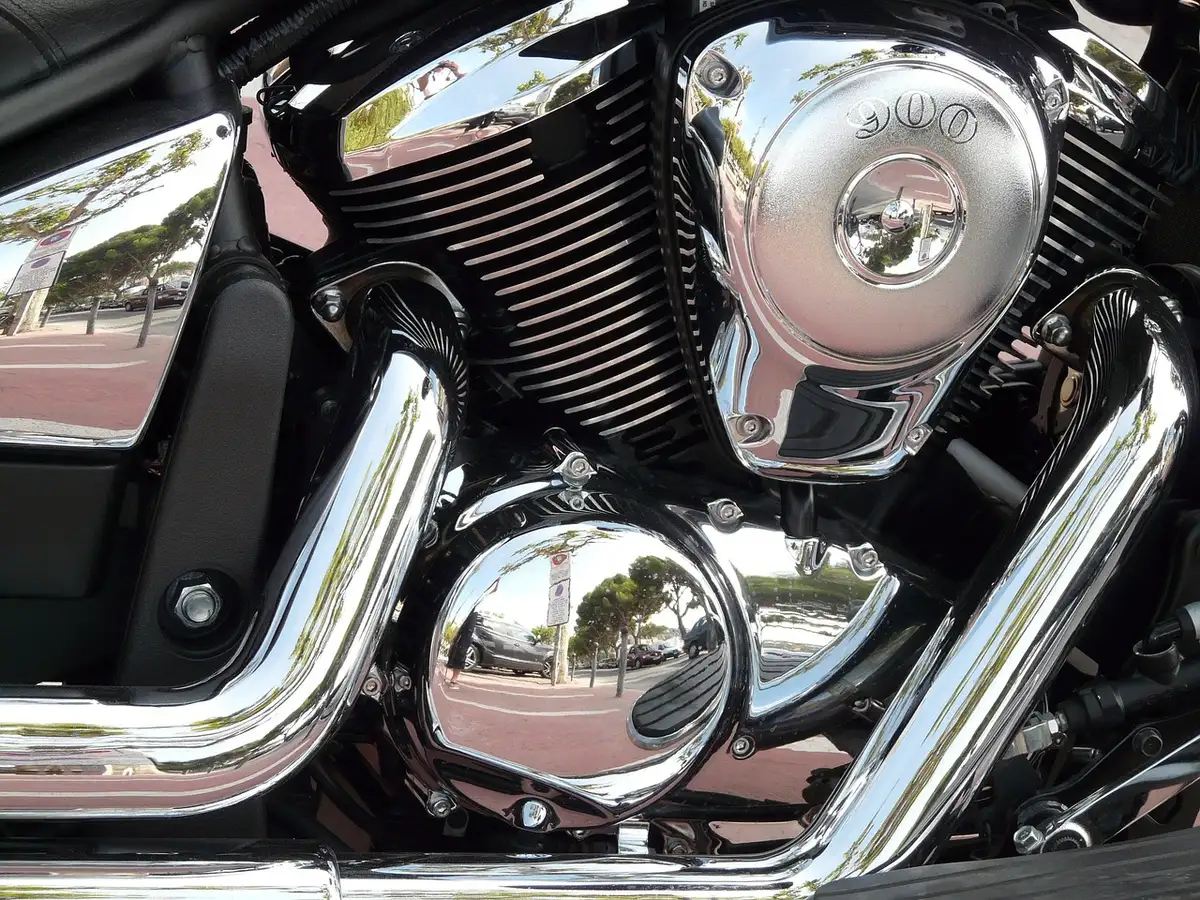
The Bantam is driven by a 334cc liquid-cooled DOHC single that BSA claims produces 29 hp at 7,750 rpm and 29.62 Nm of torque at 6,000 rpm (about 21.8 lb-ft). In riding the bike the engine’s strongest attribute is its smooth delivery: it carries a satisfying, low-frequency exhaust note and behaves more refined than many other 350-class singles.
The transmission is a slick six-speed unit with a light clutch pull and no troubling false neutrals. Stopping duties fall to Bybre-branded discs — a 320mm front and 240mm rear — which are effective but deliver a firm, on/off feel rather than progressive bite. The suspension leans toward the budget end of the spectrum, compressing readily and showing nose dive under harder braking.
Tires are by MRF and performed adequately in the dry. On the short demo route they provided predictable grip and allowed confident cornering within normal road speeds.
How it rides
The Bantam excels in urban settings. On congested streets it feels light and nimble, helped by a 185 kg wet weight that keeps the bike stable without being cumbersome. Low-down torque is usable for quick acceleration from junctions and roundabouts, and the gearbox copes well with frequent shifts.
On open single-carriageway roads the bike remains composed and comfortable enough for extended spells in the saddle. At sustained motorway speeds the engine approaches its upper range — the review noted the motor was “screaming” at about 75 mph — so long-distance high-speed touring is not its forte. Filtering and city traffic are where the Bantam most clearly shines.
Practical details are mixed. There are passenger pegs and room for a pillion, but no dedicated bungee or luggage points. Riders looking for touring-specific features or long-haul comfort may want to look elsewhere.
Positioning and value
At £3,499 the Bantam undercuts close rivals in the sub-400cc class while offering a modern package with decent engine refinement and good urban manners. Compared with alternatives, it’s competitively priced and honest about where compromises have been made.
That said, the bike lacks a defining character. Its engine is refined rather than characterful, and visual cues do not strongly set it apart from mechanically related models. Small oddities — notably the partially non-functional switch module and poor mirrors — undermine the sense of polish.
| Engine | 334cc liquid-cooled single-cylinder DOHC |
| Power (claimed) | 29 hp @ 7,750 rpm |
| Torque (claimed) | 29.62 Nm @ 6,000 rpm (21.8 lb-ft) |
| Transmission | 6-speed |
| Weight | 185 kg (wet) |
| Fuel tank | 13 litres |
| Seat height | 800 mm |
| Tires (front) | 18-inch tubeless |
| Tires (rear) | 17-inch tubeless |
| Brakes (front) | Single 320mm disc, floating caliper |
| Brakes (rear) | 240mm disc, floating caliper |
| Wheelbase | 1,440 mm |