Show summary Hide summary
A two-week trial of AI-equipped traffic cameras in the West Midlands flagged 1,920 potential instances of drivers using mobile phones — a tally that underlines persistent dangers for riders and other road users. The short study scanned passing traffic at two fire station locations in March and was intended to measure scale, not to trigger prosecutions.
How the trial worked
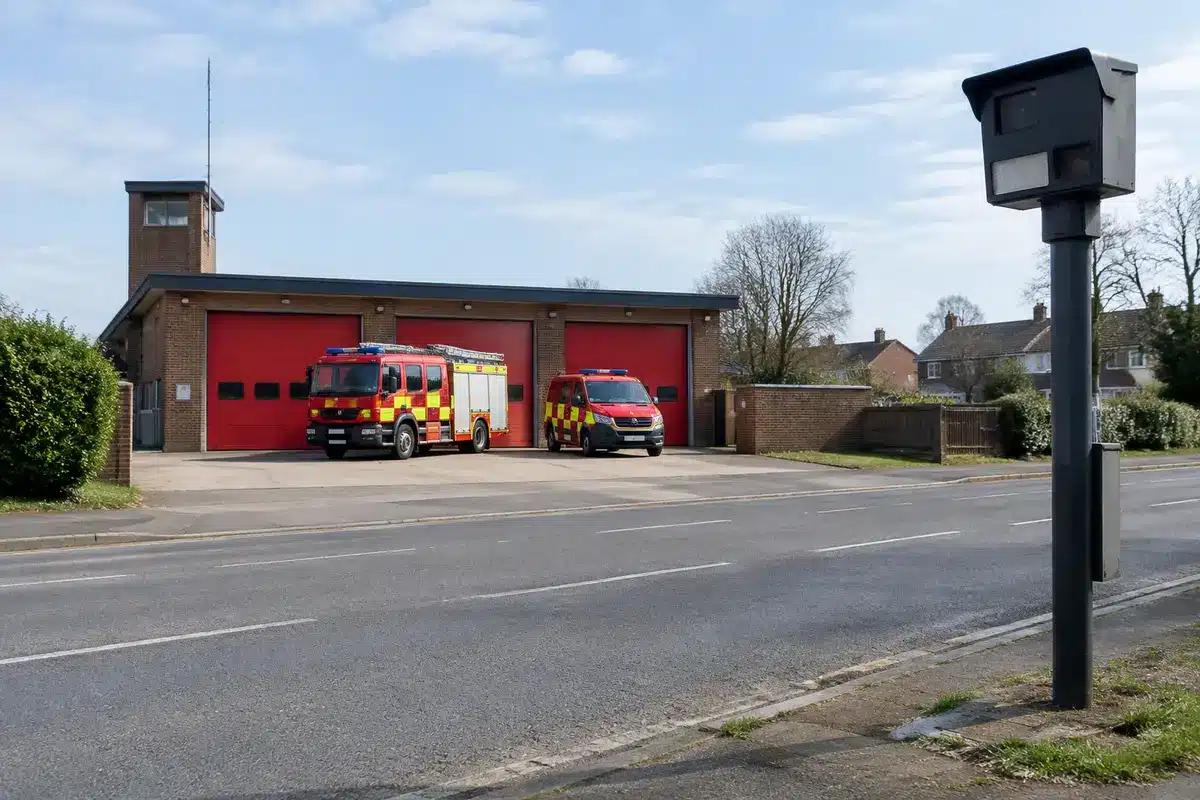
The pilot ran at two sites near fire stations in Birmingham and Wolverhampton — Ladywood and Fallings Park. Initial automated image analysis identified 1,163 potential offences at Ladywood and a further 757 at Fallings Park, giving a combined total of 1,920 potential mobile phone offences over the fortnight.

Human operators reviewed a sample of images to check the system’s output. The trial examined a total sample of 8,024 images, and no drivers were prosecuted. The exercise was funded by the West Midlands Combined Authority (WMCA) in collaboration with the police and fire services and was explicitly aimed at assessing how widespread the behaviour is.
Post Salt Bikernet issues weekly edition for August 28, 2026
Light-powered e-paper display powers wall art without an external charger
Officials respond
West Midlands Mayor Richard Parker described the results as “frankly shocking and far higher than we expected when setting up the trial.” He added: “The law is clear on seatbelts and mobile phones. I’ve met families who have lost loved ones to reckless driving. They never recover from these tragedies; the grief is always there. People need to stop doing this, it is simply not worth the risk.”
Simon Foster, the West Midlands Police and Crime Commissioner and chair of the region’s road safety partnership board, said the figures were “deeply concerning” and confirmed the data are now being used to assess whether the technology could be deployed for future enforcement.
Superintendent Keeley Bevington, of the roads policing unit, noted that mobile phone use forms part of the region’s focus on the “fatal 5” offences under its Vision Zero objective. She described phone use as “a distraction that contributes to road traffic collisions where people are killed or seriously injured.”
What it means for motorcyclists
The detection of nearly two thousand potential phone offences in just two weeks at two locations adds quantitative evidence to concerns long expressed by riders: distracted drivers are an everyday hazard.

Department for Transport figures for 2025, as reported by MCN in July, show 386 motorcyclists were killed on UK roads last year — a 14% increase on 2024. Those statistics also identify “ineffective observation” by drivers or riders as the most commonly recorded factor in fatal and serious collisions involving motorcycles and other vehicles.
MCN noted that mobile phone use was linked to 32 deaths on UK roads in 2025. It also pointed out that around 2,000 motorists a year in the West Midlands currently receive fines and penalty points for using a phone while driving. The trial’s two-week count roughly matched that annual enforcement figure, suggesting the scale of the problem may exceed recorded prosecutions.
Next steps and enforcement questions
The WMCA and regional partners are using the trial data to evaluate whether the AI camera systems should play a role in future enforcement. For now, the exercise remains diagnostic: it maps prevalence rather than starting a new round of penalties.