

Show summary Hide summary
A small physical key from Autonomous AI promises a simple way to step back from social apps. The device pairs with a free, subscription-free phone app to lock selected apps and requires you to fetch a separate object to regain access—an idea that initially struck me as gimmicky but soon felt surprisingly effective.
How the device works
The product, called the Autonomous Key, contains a chip that links to a companion app. From the app you choose which applications to block — either one at a time or in groups — and set schedules or use preset timers.
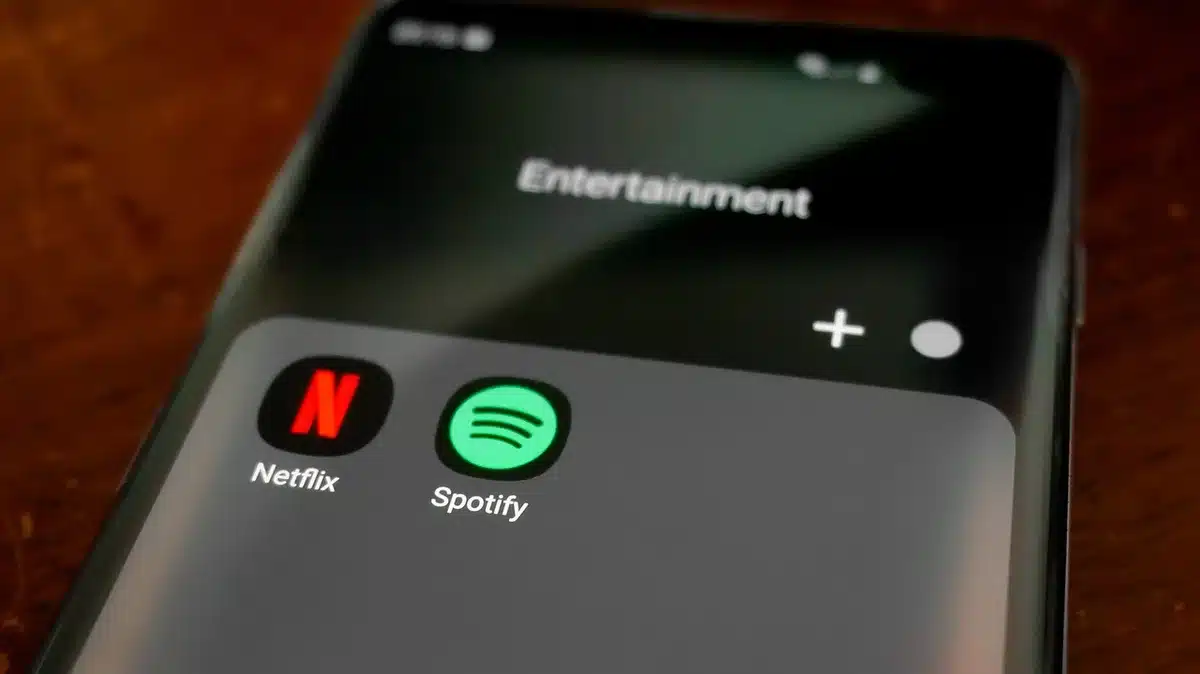
Because the key is a separate physical object, unlocking a blocked app means getting up and finding it. That physical separation is the point: it inserts friction into impulsive scrolling that often happens while lying in bed or during late-night downtime.
The app runs on both iOS and Android, does not require a subscription, and offers ongoing, data-driven feedback about your usage. The tone, according to the manufacturer and my experience, is encouraging rather than punitive.
Why people are looking for tools like this
Concerns about social media’s effect on attention and emotional regulation are growing across research communities. Last year, some researchers urged action against what they called “dopamine-scrolling,” and a series of studies has begun to map how screen interactions affect brain activity.
A 2025 electroencephalography (EEG) study of 100 adults aged 18–45 with no history of clinical mental-health or neurodevelopmental conditions reported measurable changes in brain waves during social media use. The authors found that alpha waves dropped when people engaged, particularly with emotionally charged content, suggesting increased cognitive load. Meanwhile, beta and gamma activity rose during active interaction and often persisted afterward, indicating extended cognitive excitation. Slight increases in theta and delta appeared during passive browsing, which the researchers associated with introspection or mental fatigue.
Regional patterns also emerged: beta/gamma predominated in prefrontal and occipital areas when participants made decisions or viewed visual content, and beta/theta patterns appeared in the parietal cortex during multitasking across platforms. The study’s authors concluded that social media can activate reward pathways similar to those seen in addictive behaviors, and they called for platform design changes and longer-term studies to assess lasting effects.
Trying the key: a hands-on account
I began using the key with considerable skepticism. I could lock and unlock apps at will already, I thought, and I didn’t feel I had a problematic relationship with social media. Yet after a few evenings with the device I noticed a change: when my chosen lock period began, I felt relief rather than irritation. My instinct to reach for Instagram or TikTok in bed was reduced, not by shame but by the small barrier the key created.
The experience echoes anecdotes about other physical products designed to interrupt habitual phone use—one such device, Brick, has prompted similar reports that being physically removed from the means of access fosters more deliberate app use. The Autonomous Key aims for the same outcome at a lower price point and with a softer tone from its app.
Importantly, there are fallbacks: if you lose the key, manufacturer instructions note ways to regain access. The device itself is sold for $19 with free shipping on Autonomous AI’s website.
Context and caveats
Tools like this do not resolve broader structural incentives. Many tech platforms and large language models are designed to maximize engagement, and researchers argue those architectures are unlikely to shift without regulatory or design intervention. That reality has increased demand for consumer-level strategies that let individuals opt out of endless feeds.
Academic attention shows the issue is complex. An upcoming paper in Computers in Human Behavior — due next month, according to the source I was given — explores the mixed emotions people feel about time spent both on and away from digital media, surveying 150 respondents across six European countries and highlighting the varied personal relationships users have with connected technologies. Earlier work has also noted the toll of constant connectivity on personal well-being and social life.
So the Autonomous Key is not a universal fix. But it is an accessible, low-cost experiment in creating intentional space from non-essential digital attention. For some people, a tiny piece of hardware that requires an extra step to unlock an app may be enough to change nightly habits and reduce the urge to scroll.