Show summary Hide summary
For my final Gear Lab review as a full‑time staffer I returned to a product that has quietly shaped everyday motorcycling for decades: the Aerostich R‑3 one‑piece suit. It’s a piece of kit built for riders who want weatherproof protection and utility rather than flash.
From Roadcrafter to R‑3: a short history
Andy Goldfine, who founded Aerostich, introduced the original Roadcrafter in 1983. At the time, protective gear was dominated by leather for impact resistance and denim for comfort. A Cordura‑style textile suit that looked more like a snowmobile outfit felt radical.
Goldfine steadily persuaded riders and editors that the concept worked. Motorcycle magazines began to endorse the idea, and word of mouth helped the suit become a common choice for commuters, long‑distance tourers and Iron Butt riders. By the time Aerostich unveiled the R‑3 in 2018, the design had evolved into a refined, functional garment rather than a radical experiment.
What the R‑3 is built from
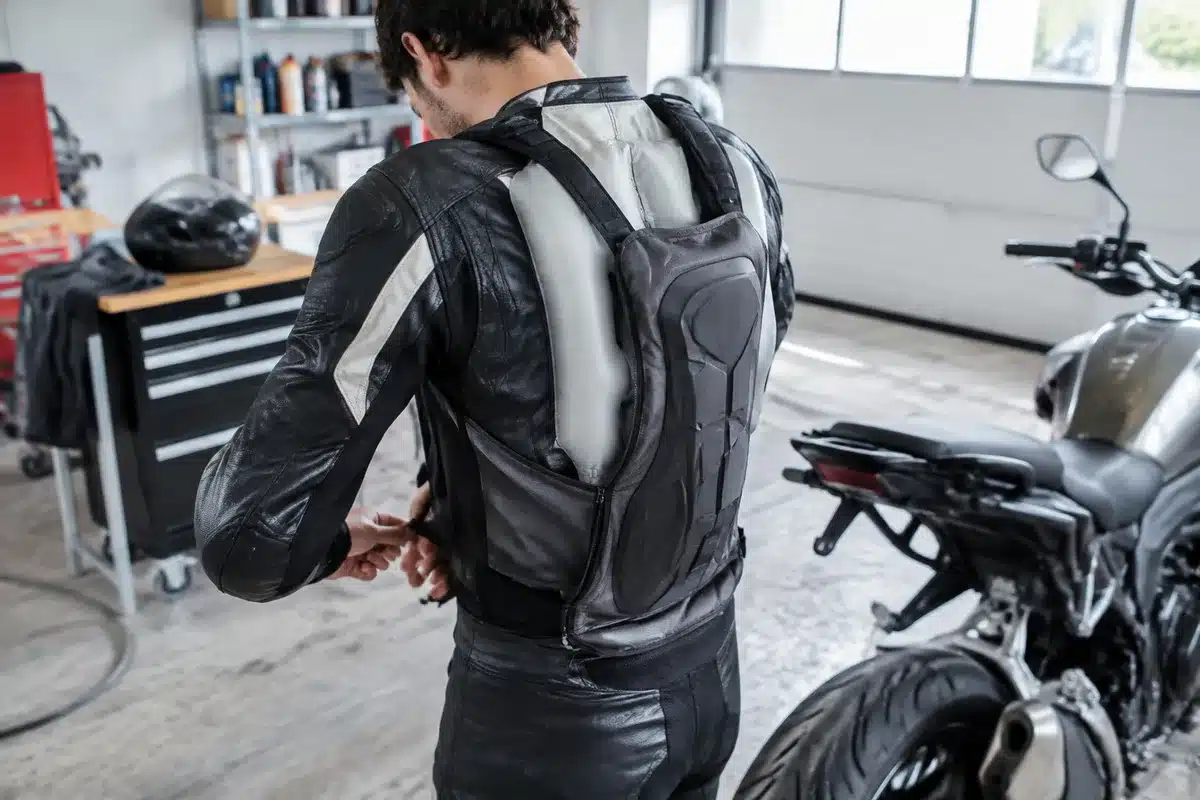
The R‑3 comes in several construction levels. The **Standard** model uses mil‑spec 500‑denier TLTex with added 1000‑denier abrasion layers over the shoulders, elbows and knees. Those impact zones accommodate removable armor; a back pad is offered as an option. The **Light** version relies on 200‑denier HT nylon with hidden 500‑denier reinforcement where it matters.
All versions are designed to be waterproof and are produced at Aerostich’s factory in Duluth, Minnesota. The company offers both men’s and women’s cuts, and multiple configurations: one‑piece R‑3 suits (Standard, Light, Light Tactical), Roadcrafter Classic variations in one‑ and two‑piece forms, and the waxed‑cotton Cousin Jeremy in one‑ and two‑piece layouts.
Design, features and daily use
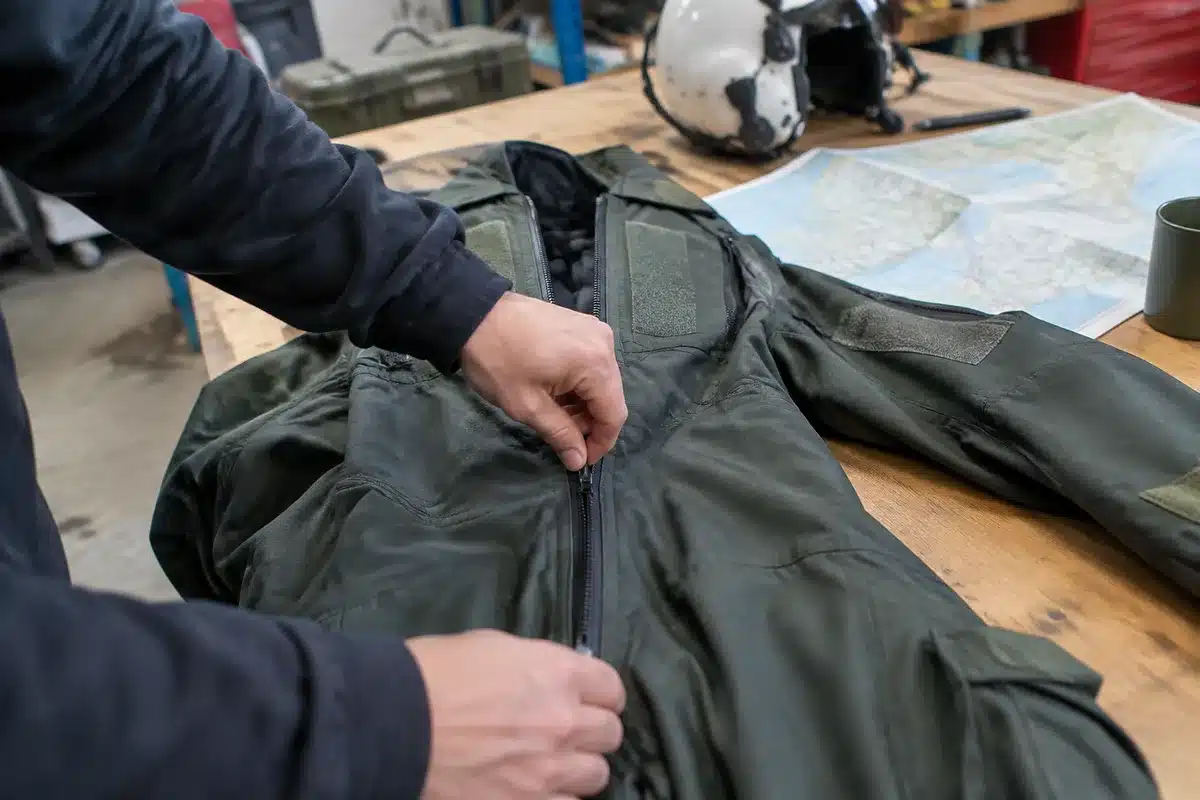
One of the R‑3’s defining features is Aerostich’s signature dual‑zipper closure: a long zipper runs from the neck to the inside of the left ankle, while a shorter zipper runs down the inside of the right leg. With a little practice the suit slides on and off very quickly, making it practical for short rides and commuting.
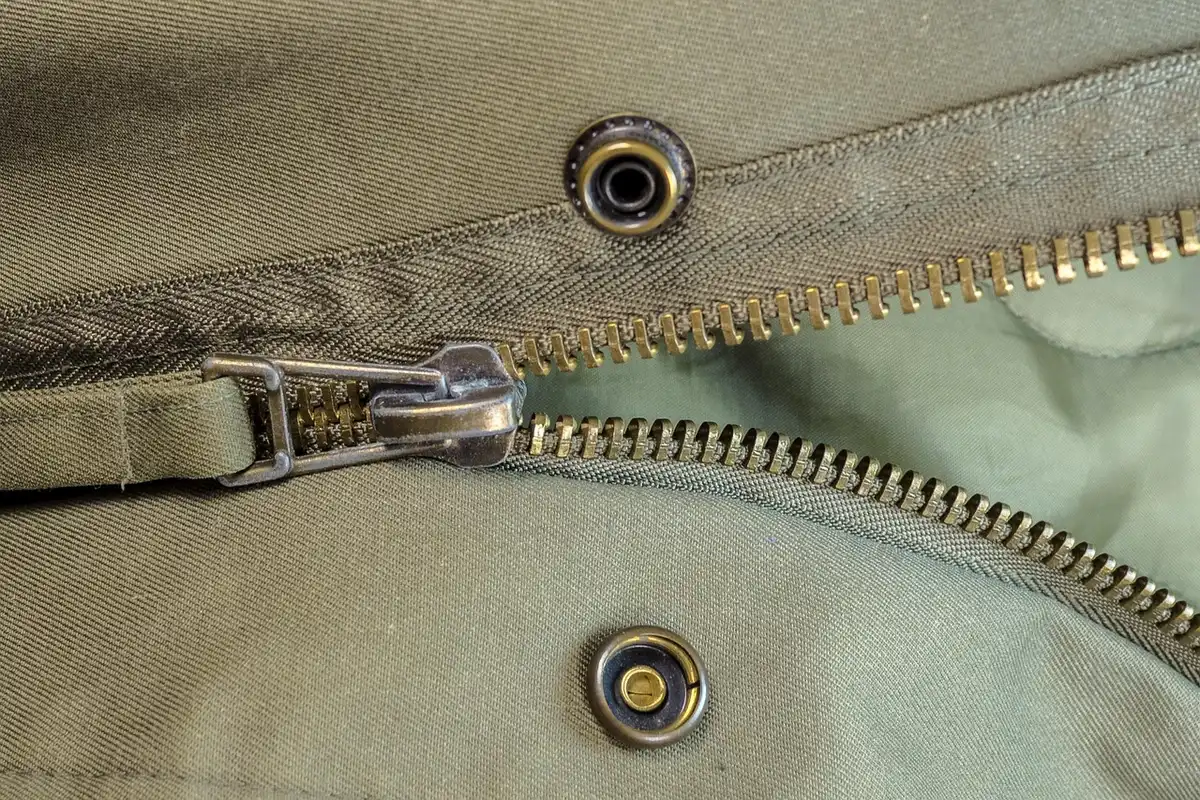
The overall approach is utilitarian. The suit includes fit adjusters, 3M Scotchlite reflective panels and a large number of pockets—some deliberately oversized. One chest pocket is big enough to hold a half‑gallon milk bottle, a handy detail for riders who value cargo capacity.
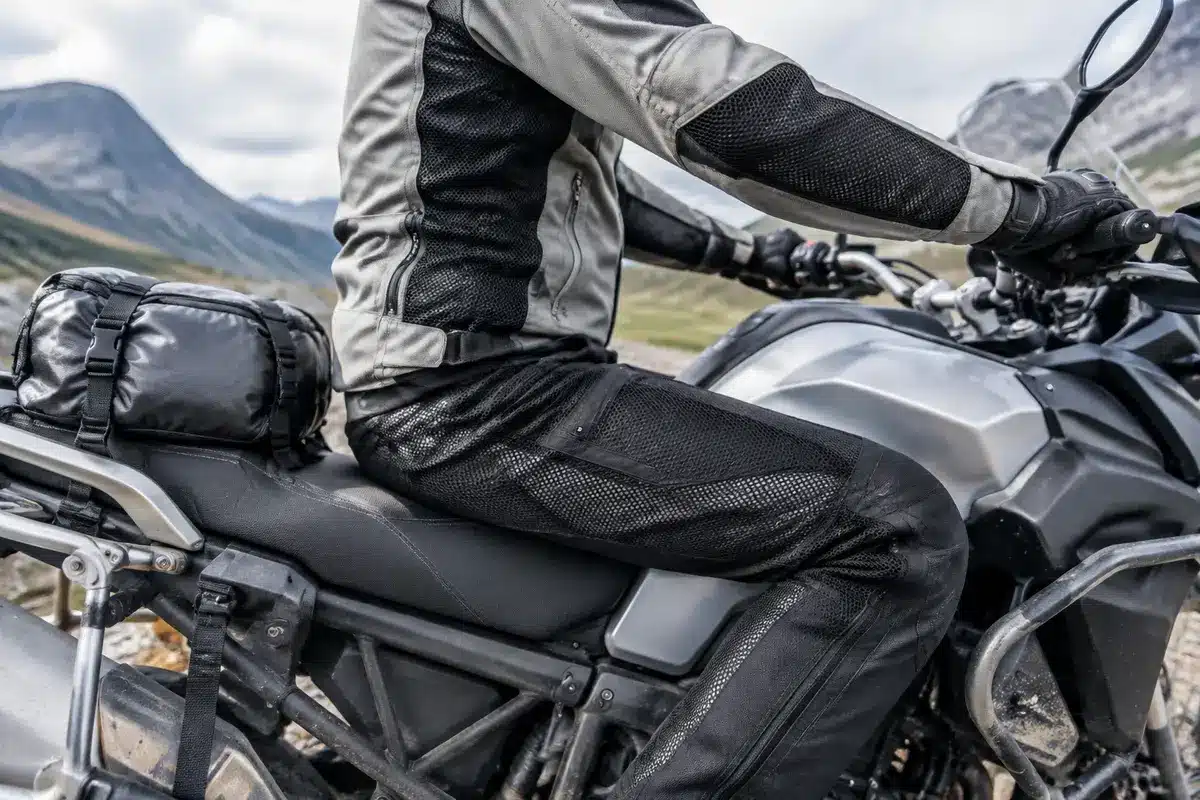
Ventilation is a notable compromise. Large vents beneath the arms and across the back provide some airflow, but the R‑3 does not ventilate as freely as many modern motorcycle jackets. For riders in hot climates or those seeking maximum airflow, that trade‑off matters.
Ownership: cost and care
The R‑3 is positioned as a long‑term garment rather than a disposable piece of kit. It can be altered, repaired and cleaned like high‑quality outerwear, which supports the idea of buying once and wearing for years.
Price points reflect that philosophy: the R‑3 Light Tactical starts at $1,767, the R‑3 Light at $1,927, and the R‑3 Standard at $1,967. For many buyers the initial outlay is offset by durability and the suit’s all‑season, over‑clothes convenience.
Who the R‑3 suits best
If you ride regularly in mixed weather, commute, or travel long distances, the R‑3’s combination of protection, weatherproofing and utility is compelling. Riders who prioritize aggressive ventilation or a sport‑cut fit may find other jackets more to their taste. For those seeking a single, dependable outer layer that performs in rain and wind, the R‑3 remains a distinctive choice.