Show summary Hide summary
Suzuki has refreshed its long-running SV platform with the SV7-GX, a 2026 update that folds modern electronics and modest comfort upgrades into the familiar SV650 formula. Priced below many rivals, the new model aims to be an accessible commuter and light tourer rather than a headline-grabbing performance machine.
What Suzuki changed — and what it kept
The SV7-GX retains the basic architecture of the SV650 but introduces a number of user-focused updates. The heart is the familiar 645cc V-twin, revised internally and around its intake and exhaust, while the frame is largely unchanged.
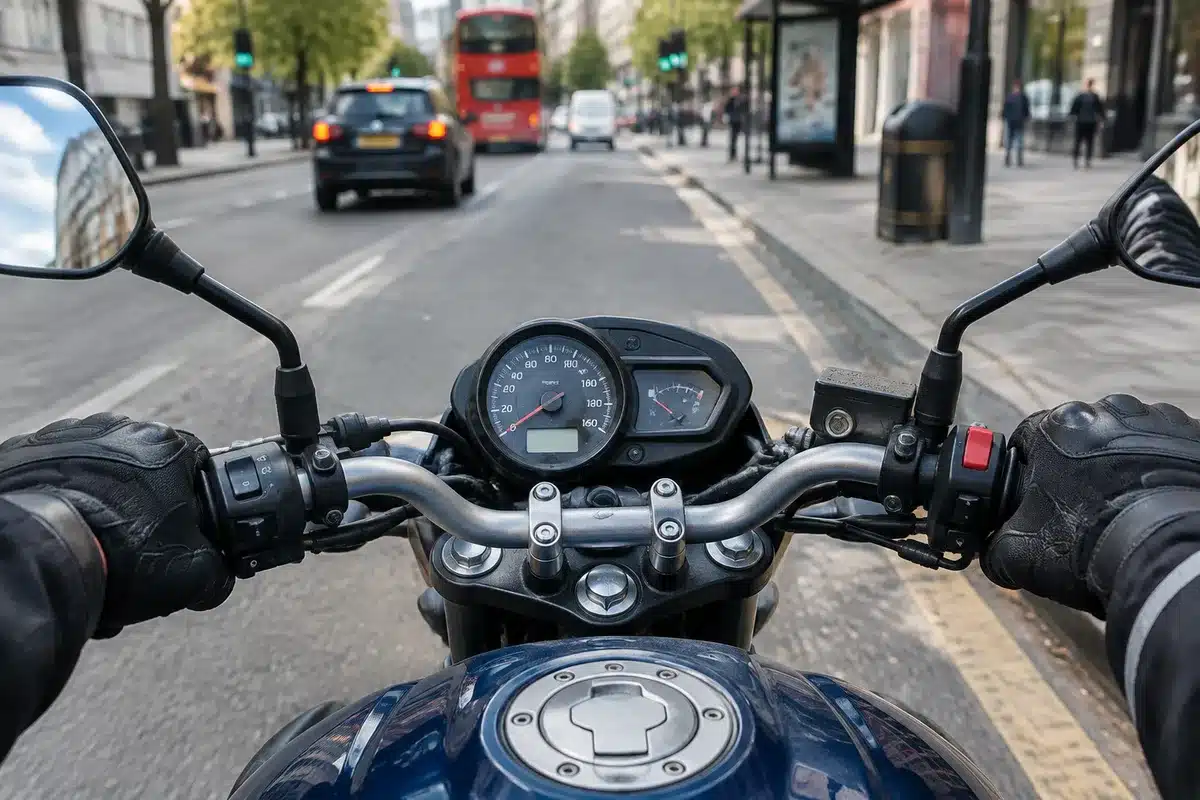
On the convenience and usability side, Suzuki has added a 4.2-inch TFT display with smartphone connectivity via Suzuki Ride, a USB-C charging port, traction control, selectable riding modes and a factory-fitted quickshifter with auto-blip. Cruise control is notably absent.
Key specifications
| Engine | 645cc liquid-cooled 90° V-twin |
| Power | 72.4 bhp @ 8,500 rpm |
| Torque | 64 Nm @ 6,800 rpm |
| Front suspension | 41 mm telescopic forks |
| Rear suspension | Link-type monoshock |
| Front brakes | Twin 290 mm discs, four-piston Tokico calipers |
| Rear brake | 240 mm disc |
| ABS | Two-channel |
| Seat height | 795 mm |
| Wet weight | 211 kg |
| Fuel capacity | 17.4 litres |
| Claimed range | Approximately 250 miles |

Price and color options
Suzuki lists the SV7-GX from £6,999 in White. Blue, Grey and Black carry a £400 premium, bringing those finishes to £7,399. That pricing positions the model beneath several direct competitors while keeping its equipment level competitive for the segment.
The brand appears to have prioritized real-world features over headline-grabbing specs. The SV7-GX concedes some peak horsepower and avoids premium chassis hardware, but delivers practical electronics and ergonomic tweaks aimed at everyday riders.
Riding experience
On the road the SV7-GX feels compact and approachable. Short riders reported easy flat-footing, yet the cockpit still offers a roomy upper body posture and a natural reach to the bars.
The 645cc V-twin keeps the character familiar to SV devotees: predictable power delivery, a clean throttle connection and an engine that encourages easy, confidence-building riding rather than extreme pace. The standard quickshifter adds refinement, even if it is not the smoothest unit available.
Handling and brakes
Low-speed manners are a strength. The chassis is light and easy to place in traffic, and the soft suspension soaks up urban imperfections well. When the roads get twisty the setup shows its touring-leanings: it can pitch and squat under heavy acceleration and braking and mid-corner bumps sometimes unsettle the bike more than stiffer rivals.
Braking is straightforward. The twin 290 mm discs with four-piston Tokico calipers offer solid stopping performance and acceptable lever feel. The two-channel ABS is functional, if not cutting edge.
Comfort and ergonomics
Suzuki has added 10 mm of seat padding and revised the rear subframe to carry more weight. An optional comfort seat gives 25 mm extra height, which in practice translates to noticeably more legroom.
The manual windscreen offers 50 mm of adjustment, but changing its position requires tools. Riders who spend sustained time at speed may prefer Suzuki’s taller accessory screen for added protection.
Vibration is low through bars, tank and seat, though the non-damped footpegs transmit some buzz at certain engine speeds. Footpeg placement is relatively high and rearward, which some taller riders might find cramped on longer rides.
Electronics and usability
The new electronics package modernizes the SV platform without overcomplicating it. In addition to the TFT and connectivity, riders get traction control, three bespoke riding modes and Suzuki’s Easy Start and Low RPM Assist systems. Mode C limits peak output to 60 bhp for slippery conditions or less confident riders.

Despite these additions, the lack of cruise control stands out. Given the attention paid to throttle-body actuators and rideability in engineering briefings, its omission feels like a missed opportunity on a bike pitched as a commuter and light tourer.
How it stacks up against rivals
The SV7-GX does not aim to outgun the Yamaha Tracer 7 or match the Triumph Tiger Sport 660’s chassis finesse or triple-cylinder note. Instead, Suzuki leans on accessibility, straightforward ergonomics and a lower price point.
That combination should appeal to new and returning riders seeking a friendly, easy-to-use motorcycle that covers daily duties and weekend miles without fuss. For buyers prioritizing the latest suspension hardware or an IMU-based electronics suite, alternatives will remain more attractive.
Buying considerations
Pros highlighted by early testing include the bike’s accessibility, reasonable standard specification and strong value for money. On the downside, expect high, somewhat vibey footpegs and the absence of cruise control.
If you prefer a motorcycle that emphasizes usability and low-stress riding over maximum performance or the most advanced electronics, the SV7-GX is a credible option at its price point. For riders chasing sharper handling or a richer feature set, rivals may offer more to like.