
Show summary Hide summary
After years of leaked images and patent filings, Honda’s CB1000F has finally arrived — and the first rides suggest the company spent that time refining more than just the looks. The new model aims to deliver a convincing 1980s-style experience while using modern engines, electronics and safety systems.
Heritage that shaped a superbike identity
The CB1000F’s styling nods clearly to Honda’s early superbike era. Freddie Spencer’s success on early four-cylinder Hondas helped cement the brand’s racing reputation, and those machines still inspire a strong enthusiast following.
Honda’s goal with the CB1000F is not a one-to-one replica. Instead, the company has extracted the cues that made its 1980s road bikes memorable and asked how that character might translate to a motorcycle built today.
Retro on the outside, modern underneath
At first glance the CB1000F reads like an authentic throwback: a broad fuel tank, period-style graphics and a slightly upswept single-seat unit. Look closer and modern components appear — the brakes, swingarm and engine reveal the bike’s contemporary pedigree.
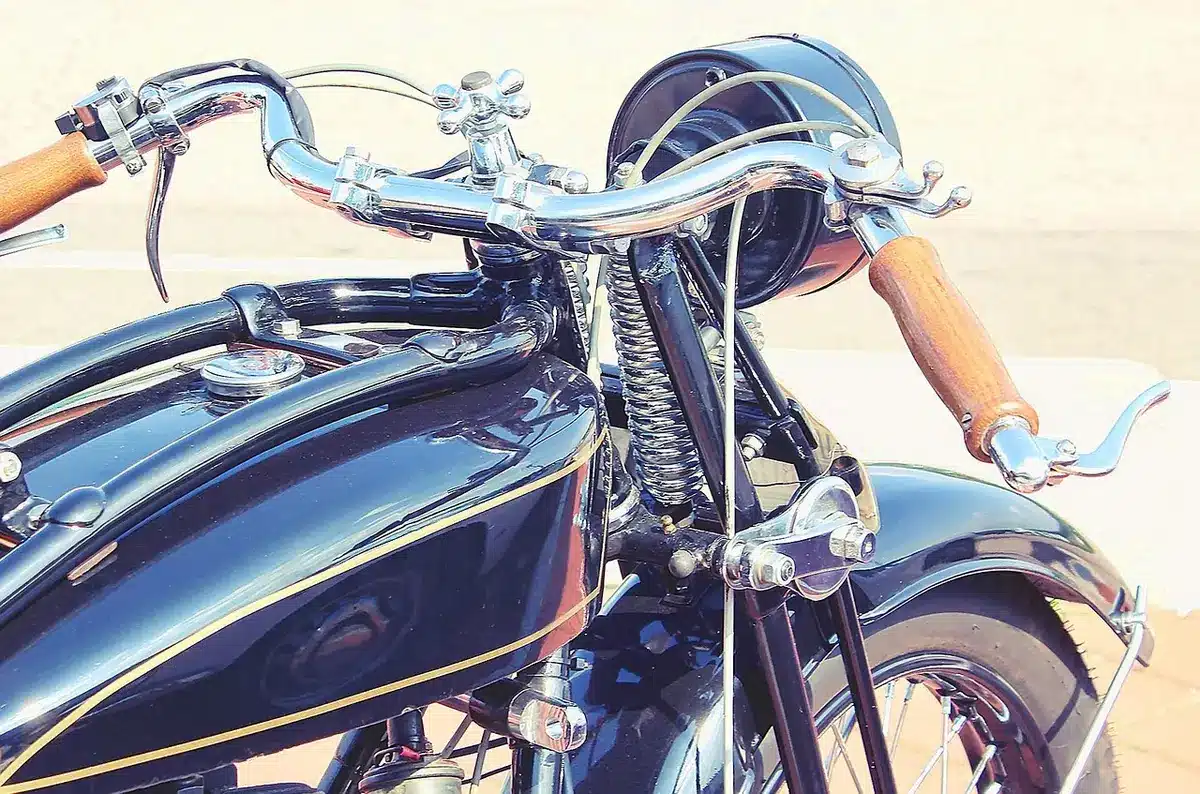
Ergonomically the bike surprises with a very low, plush seat and relaxed reach to the handlebars. The cockpit features a bright TFT display rather than the twin clocks of the past, but the visual package keeps your eye on the retro details.
Sound and engine character
Honda has deliberately tuned the CB1000F’s voice and delivery to feel period-correct. The exhaust uses a traditional four-into-one header feeding a pronounced, three-chamber megaphone silencer that produces an initial mechanical bark and a rising wail toward the redline.
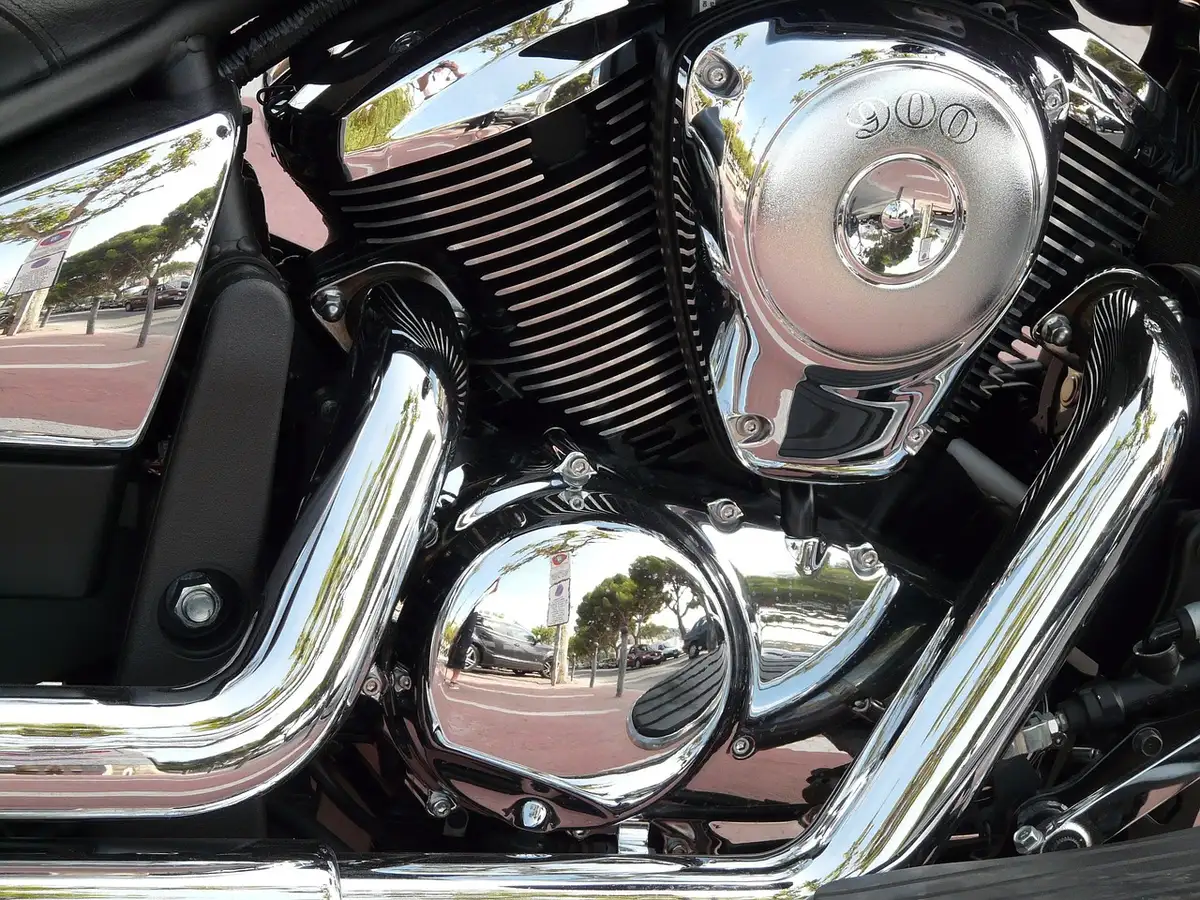
The engine itself differs substantially from Honda’s Hornet and GT variants. Intake work includes mismatched-sized funnels that create a pulsating intake note, a design choice that contributes to the bike’s distinctive soundtrack without raising overall loudness excessively.
Gearing, modes and throttle behavior
Honda has altered the CB1000F’s gearing and engine mapping to favor low and mid-range torque. The first two ratios are shorter than on the Hornet and GT, giving brisk off-the-line acceleration — so brisk that riders may prefer to pull away in second gear to avoid unwanted wheelies.
Riding modes include Standard, Sport, Rain and two user presets. Standard attempts to mimic the feel of a carbureted inline-four, offering a different throttle response compared with Sport and Rain. In the sportiest setting the throttle is very direct; at low speeds this can produce a bit of on/off throttle chop.
Chassis, suspension and real-world handling
Ride the CB1000F gently and it is forgiving: soft-sprung suspension soaks bumps and the brakes are powerful with ABS that stays discreet on warm, dry roads. Push harder and the character changes — the bike moves and squats rather than delivering razor-sharp, modern naked-bike precision.
That deliberately softer setup makes the CB1000F feel less like a track-focused supernaked and more like a back-road machine tuned to evoke the era it references. Expect some high-frequency vibrations through the pegs and bars — a trait shared with Honda’s Hornet sibling and possibly accentuated by the retro’s wider 835mm handlebars.
Electronics and equipment
The CB1000F combines period styling with a comprehensive electronics package. Notable features include:
- 5-inch TFT multi-information display
- Roadsync connectivity and USB-C
- HISS immobilizer and Smart Key
- Traction control, wheelie control and rear-lift control
- Engine brake control and adjustable quickshifter
- Three riding modes plus two user-configurable modes
Key specifications
| Engine | Liquid-cooled DOHC 4-stroke 16-valve 4-cylinder |
|---|---|
| Displacement | 1000 cc |
| Max power | 91.0 kW at 9,000 rpm |
| Max torque | 103 Nm at 8,000 rpm |
| Seat height | 795 mm |
| Kerb weight | 214 kg |
| Fuel tank | 16 L |
| Price | £10,599.00 |