Show summary Hide summary
After almost 1,000 miles on Royal Enfield’s Himalayan 450 around the UK, the bike has shown itself to be a capable all-rounder — equally at ease on gravel tracks and back roads. My testing covered mountain passes, motorways and a range of weather, giving a clear picture of where the 450 excels and where it sits short of perfection.
Road manners that surprise
Although designed as an adventure machine, the Himalayan 450 never felt one‑dimensional. With a forgiving chassis and predictable handling it proved just as enjoyable on twisty tarmac as it was on rougher ground. Tight bends were easy to negotiate and quick direction changes felt natural.
Owner describes lessons from three months owning a Royal Enfield
Bore & Stoke breakout sparks viral posts asking if people are dead and all named Neil
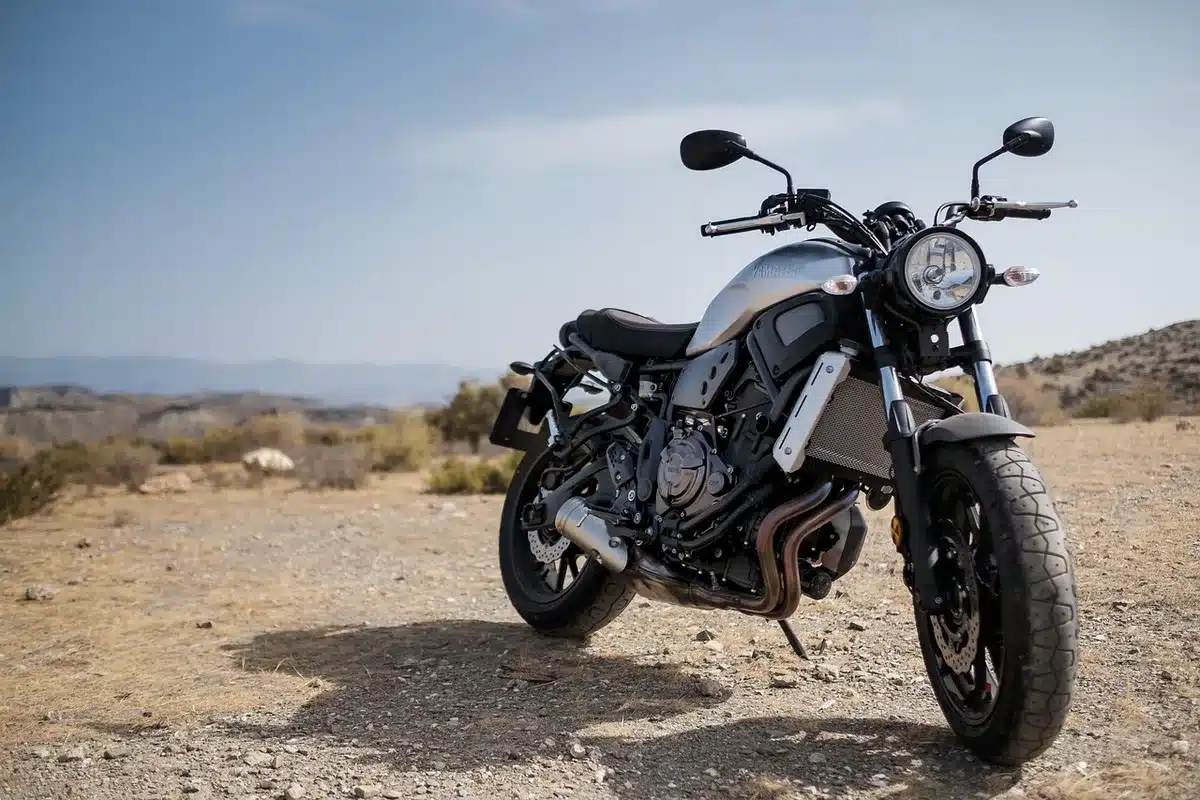
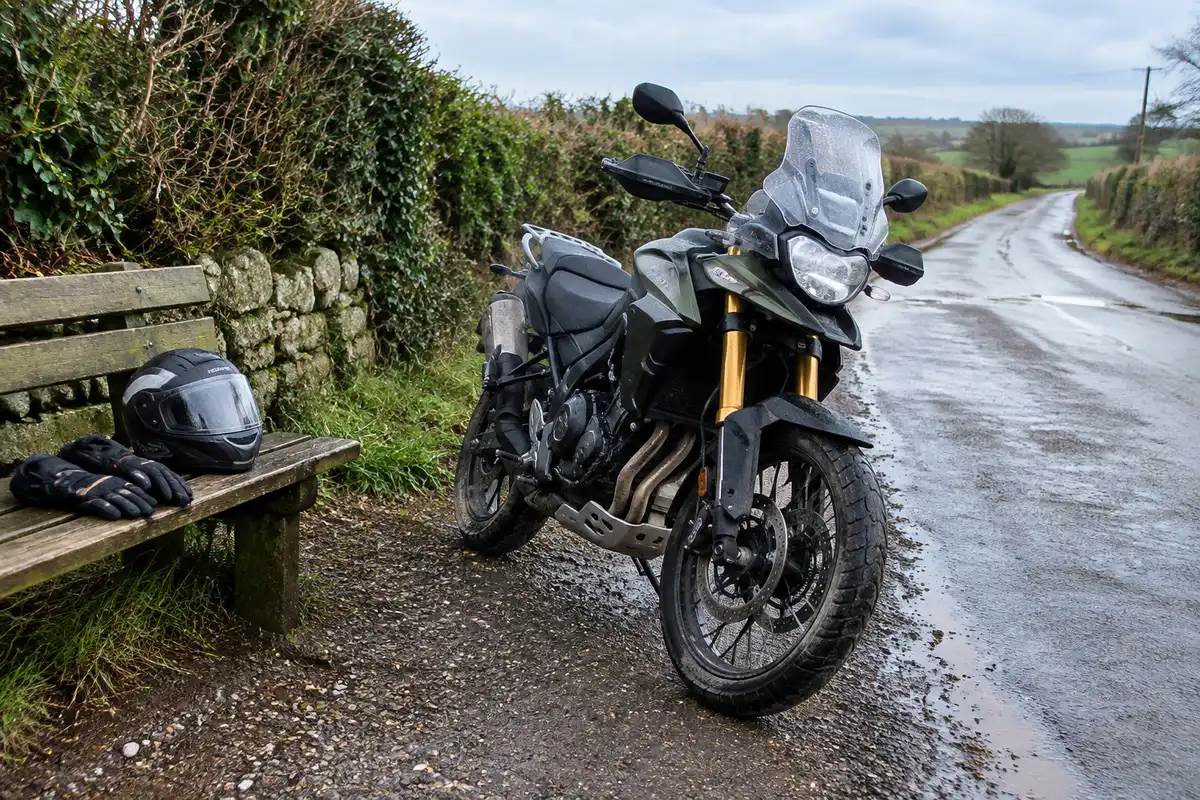
The test bike wore knobbly Twinduro tyres fitted specifically for off‑road use, not the standard CEAT Gripp rubber. Those tyres improved traction on dirt and mud, but the bike’s composure on paved roads remained impressive.
Fuel economy also stood out. The Himalayan’s 17‑litre tank, combined with an average of about 50 mpg, produced a real‑world range just under 300 miles on mixed riding including open roads and motorways.
Engine, weight and stability
Under the single header is a liquid‑cooled single‑cylinder engine rated at 39.4 bhp at 8,000 rpm and 29.5 lb ft of torque at 5,500 rpm. That output delivers lively roll‑on performance and a confident take‑off from standstill.
Despite the engine’s modest displacement, the 450 carries noticeable bulk. Pushing the bike around at low speed can be demanding for shorter riders, yet once moving it feels appropriately agile for a middleweight adventure bike. On long motorway runs and in gusty conditions the Himalayan stayed planted and composed, reducing rider fatigue on extended stretches.
Comfort, chassis and setup
The front end uses dual 43mm upside‑down forks while the rear relies on a linkage monoshock. That combination provided a trustworthy ride across varied surfaces, soaking bumps without unsettling the bike’s balance.
Gearing leans toward the tall side, which helps cruising economy but can produce a choppy feel at low speeds if you’re not in the right gear. The instrument cluster is a plain four‑inch unit — functional but lacking polish compared with some rivals.
Who it suits and pricing
If you want a straightforward, do‑it‑all middleweight for commuting, country roads and weekend off‑roading, the Himalayan 450 is a strong contender. Grip from the aftermarket tyres held up for everyday riding, though very fast riders pushing hard on tarmac could find the contact patch limiting.
The model tested was the Kaza Brown, priced at £5,750 — the most affordable of the line. The top variant, Kamel White, is listed at £6,250, with other finishes priced between those points.
Ergonomics and continuing testing
Seat height is adjustable from the standard 825mm position. Riders can lower or raise it to suit their leg length, which helps but does not entirely remove the challenge for shorter riders.
- Lower setting: 805mm
- Standard: 825mm
- Raised: 845mm
The Himalayan 450 remains with Visordown for further mileage into the new year. A full six‑month review, reflecting longer‑term ownership impressions, is scheduled for publication around the end of March.