Show summary Hide summary
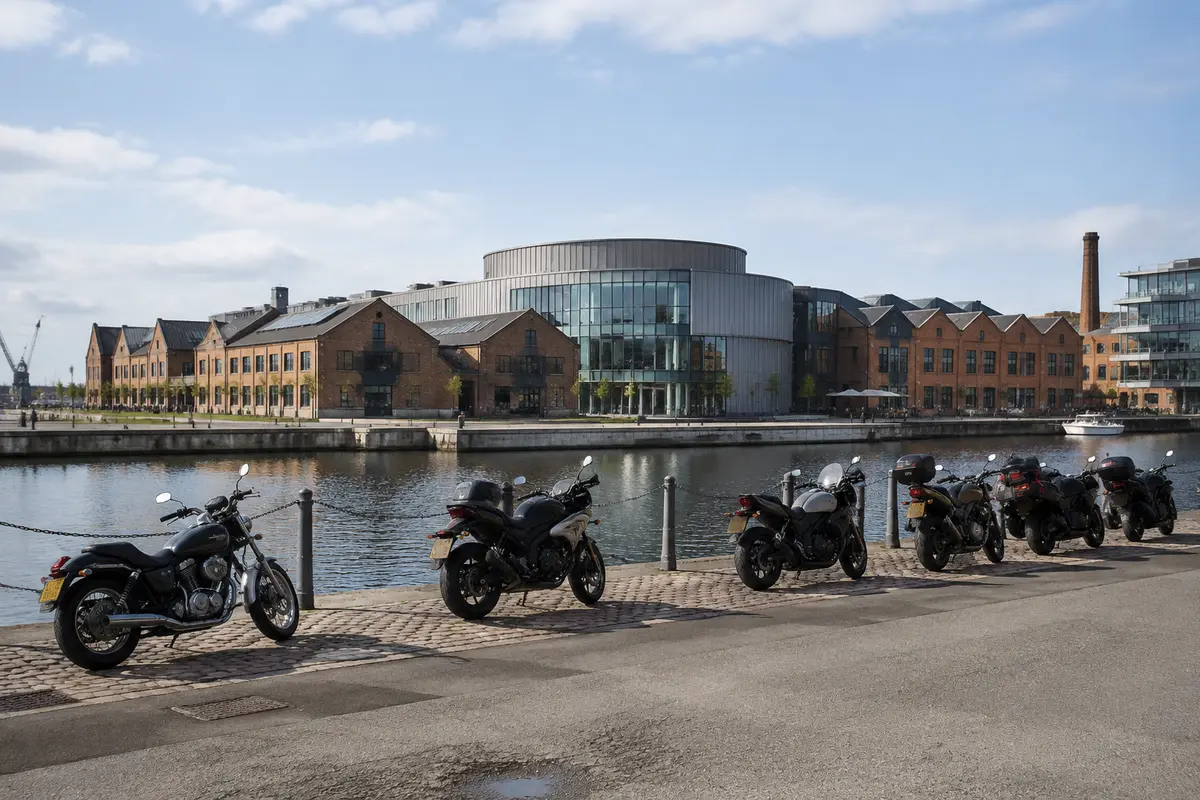
Moto Guzzi has given its historic Mandello factory a markedly American makeover as it moves into its second century. A renovation led by U.S. architect Greg Lynn has transformed the complex on Lake Como’s eastern shore into a more public-facing home for the brand, unveiled at the Giornate Mondiali Guzzi in early September 2026.
A new face for a century-old works
The factory buildings in Mandello del Lario—where Moto Guzzi motorcycles have been produced since 1921—have been fundamentally reworked under Lynn’s direction. The changes were presented to the public during the brand’s annual gathering, marking a visible shift in how Moto Guzzi frames its heritage and invites visitors inside.
Instead of remaining a closed industrial site, the complex now reads as a civic place designed to welcome enthusiasts and casual visitors alike. The setting, hemmed in by the lake and mountains, reinforces the connection between the factory and its landscape while offering a clearer public presence for the marque.
Community, not cacophony
Arriving in Mandello offers a striking contrast with the busy roads that lead there. Rather than the raucous scenes that sometimes accompany large motorcycle meetups, the mood in town is calm and organized. Thousands of bikes line streets and parking areas with an almost ritual order.
Visitors note the absence of burnouts and overly loud sound systems; instead, the atmosphere feels relaxed and familial. Local bars and restaurants openly embrace their association with the manufacturer, and the queue outside the factory gates speaks to steady, eager interest from the public.
What this means for the brand
The renovation signals a deliberate effort by Moto Guzzi to cultivate its identity as both a living manufacturer and a cultural destination. By opening the factory to more visible, curated experiences, the company appears to be balancing preservation of its century-old heritage with modern design intervention.
That blend of history and contemporary architecture presents the factory not only as a place of production but also as a site of memory and togetherness for riders. It reinforces the brand’s local roots while projecting an image designed to resonate with an international audience.
Architecture, heritage and tourism
Placing renewed emphasis on public access elevates the factory’s role in Mandello’s civic life. The renovated campus may shape how visitors perceive the town and the brand, turning routine visits into intentional cultural experiences.

For residents and businesses, the factory’s new public orientation seems to strengthen an already visible identification with Moto Guzzi. For enthusiasts, it creates more than a factory tour; it offers a focal point for shared history and community rituals that have long defined the town.
First impressions endure
At the festival unveiling, the combined forces of landscape, architecture and loyal local culture made a clear statement: Moto Guzzi is safeguarding its past while reimagining how that past is presented to the world. The result is less about spectacle and more about a considered public identity rooted in place.