Show summary Hide summary
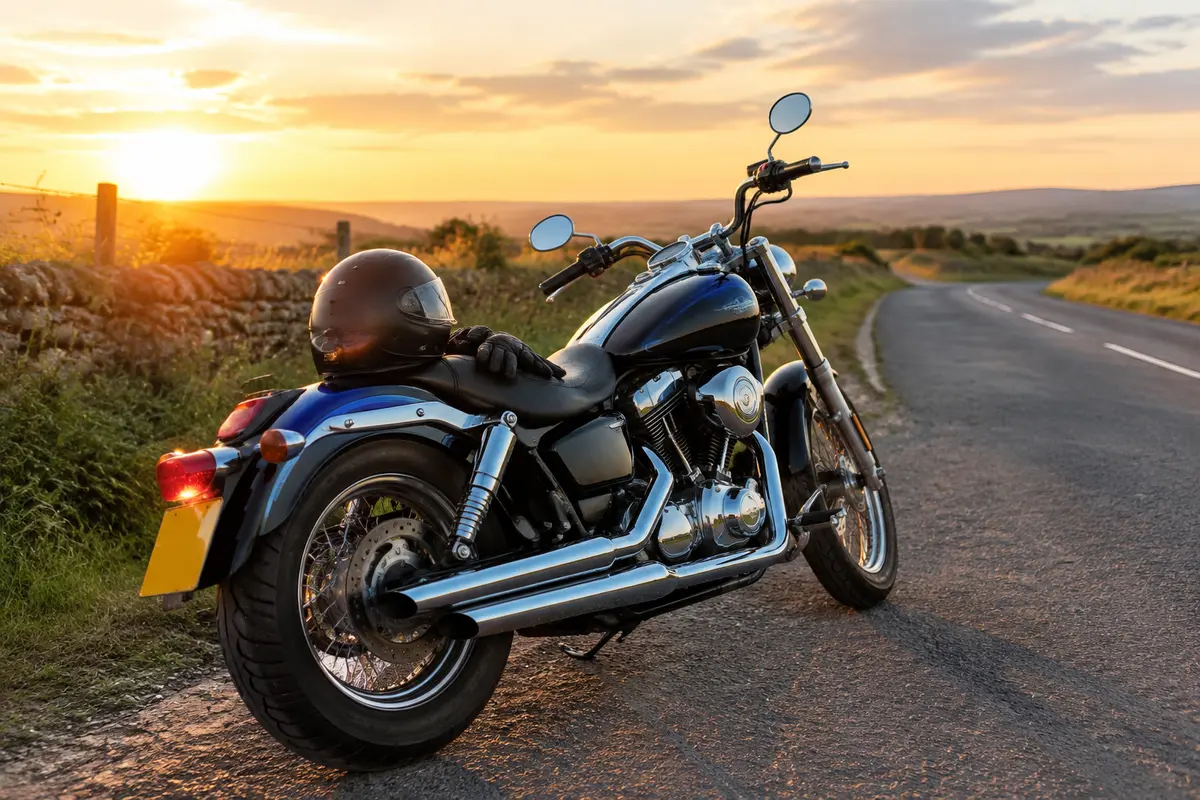
The 2026 Indian Chief Vintage reintroduces a classic silhouette with contemporary engineering, arriving as a centerpiece for Indian Motorcycle’s 125th anniversary and the brand’s transition to new ownership. Priced around £19,000, it aims to marry vintage presence with modern usability.
A design rooted in the past, built for today
Indian has leaned into its mid-century Chief heritage with the new Chief Vintage, favoring restrained, period-correct lines over the excessive ornamentation that plagued earlier iterations. The result is a bike that reads as deliberately historic rather than overtly retro.
Maeving RM1S tested for urban and suburban commuting
Smart photographic device identifies 11,000 bird species

Design director Ola Stenegärd describes some products as moving from “modern” to “classic,” and the Chief Vintage fits that description: a motorcycle whose proportions and finish are intended to feel timeless. Attention to paint, trim and the way the frame embraces the powerplant give it a cohesive, authentic look.
Where it sits in Indian’s story
Although the Chief Vintage is a Polaris-developed machine — you can spot legacy details in parts such as the fender mounting hardware — it becomes a symbolic first release of the Carolwood era after Polaris sold the company. That transaction, completed on 2 February this year, made Carolwood LP Indian Motorcycle’s ninth formal owner in the brand’s long and complicated lineage.
Powertrain and ride character
Under the tank sits the familiar air-cooled Thunderstroke 116 V‑twin. The architecture dates back more than a decade, but capacity has grown: in non‑U.S. figures the unit displaces 1890 cc and produces 115 lb‑ft of torque at 3,300 rpm. Using the standard conversion gives a calculated figure near 71.3 bhp.
The Chief Vintage is torque-focused rather than horsepower-driven. Throttle response is smooth and abundant low-end pull makes for relaxed, flowing progress rather than explosive acceleration. Three selectable riding modes — Tour (rain), Standard and Sport — let riders tailor throttle mapping, with Standard providing the most natural cruiser feel.
Riders will notice heat radiating from the engine and a characteristic mechanical soundtrack. The six-speed gearbox is improved over older Indian transmissions, and clutch effort is lighter than some heavyweight rivals.
Chassis, brakes and handling
Thanks to the 2021 Chief platform revision, the Vintage rides with a more nimble demeanor than its predecessors. At 327 kg fully fueled it’s still a heavyweight, but steering and balance feel more composed than older Chiefs built on touring chassis.
Suspension is traditional: non‑adjustable 46 mm telescopic forks with 132 mm of travel up front and preload‑adjustable twin shocks with 75 mm travel at the rear. Braking uses a single 298 mm disc and four‑piston caliper up front and a 298 mm disc with a two‑piston caliper at the rear. The setup prioritizes character and styling harmony over the kind of spec sheet found on sportier machines.
Modern conveniences tucked into a vintage package
Indian discreetly integrates modern features without spoiling the period look. The bike includes keyless ignition, full LED lighting, cruise control and a hidden USB port beneath the tank. A notable touch is a 4‑inch touchscreen running a streamlined version of Indian’s Ride Command system, complete with built‑in sat-nav that works offline.

The display is responsive enough to operate with gloves; connectivity options do allow phone notifications, should riders wish to accept them while underway.
Comfort and everyday usability
Despite its “tractor‑style” appearance, the solo seat proves comfortable for long miles. Combined with low floorboards and a relaxed rider geometry, the Chief Vintage encourages steady, low‑speed cruising rather than motorway sprinting. The bike is designed to let riders find a flow and maintain it, forgiving small mistakes with predictable handling and progressive brakes.
The air‑cooled layout contributes to a tactile, human riding experience — warmth against the legs and an audible mechanical rhythm that some riders prize.
Shortcomings and compromises
Some practical omissions stand out at this price point. Hand levers are not adjustable, and neither the brake nor the gear lever can be tailored for reach. The standard exhaust is bulky for emissions reasons and is not a styling highlight.
The Chief Vintage is fitted with tubed spoked wheels rather than tubeless rims. That choice preserves visual authenticity but increases the likelihood that a puncture will end a ride until a tube can be fitted or replaced.
How it compares and who should consider it
Peers from other manufacturers offer different trade-offs: some rivals provide higher peak horsepower, broader dealer networks and lower entry prices. The Chief Vintage’s strengths lie in its styling, low‑down torque and the emotional connection it seeks to create.
If you value period-correct appearance, an air‑cooled V‑twin feel and an integrated sat‑nav in a classic package, the Chief Vintage warrants a test ride. For riders prioritizing outright performance, modern suspension geometry or tubeless convenience, other options may be more suitable.
Key specifications
| Starting price | £18,955 (standard); £19,455 (red) |
| Engine | 1890 cc air‑cooled Thunderstroke 116 V‑twin |
| Transmission | 6‑speed manual |
| Estimated power | ≈71.3 bhp (calculated) |
| Torque | 115 lb‑ft @ 3,300 rpm |
| Weight (full) | 327 kg |
| Seat height | 686 mm |
| Fuel capacity | 15.1 liters |
| Front suspension | 46 mm telescopic fork, 132 mm travel |
| Rear suspension | Dual shocks, 75 mm travel |
| Front tyre | 130/90 B16 |
| Rear tyre | 150/80 B16 |
| Front brake | Single 298 mm disc, four‑piston caliper |
| Rear brake | Single 298 mm disc, two‑piston caliper |