Show summary Hide summary
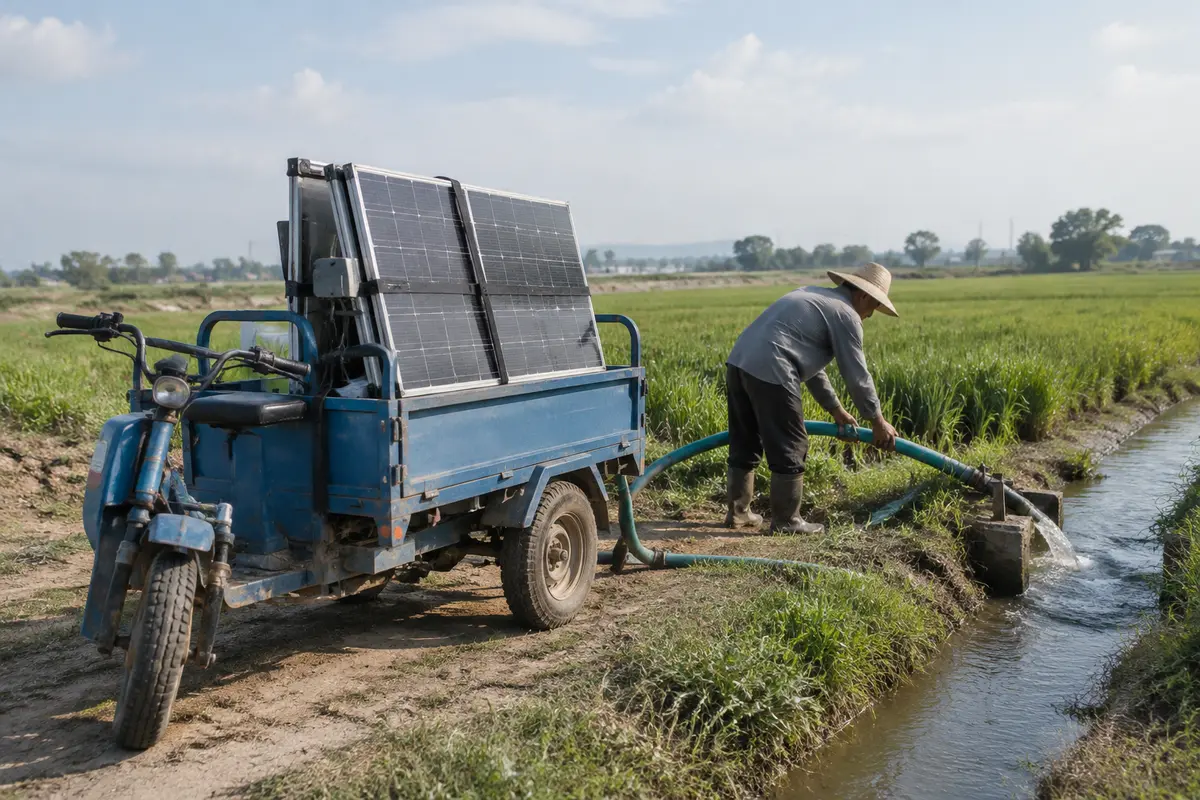
A three-wheeled, solar-powered vehicle developed by BRAC aims to help Bangladeshi farmers who can no longer afford diesel for irrigation after recent spikes in fuel prices. The prototype combines fold-out solar arrays with an electric pump to irrigate fields while cutting costs and emissions.
A pressure point for rural agriculture
In Bangladesh, most dry-season irrigation depends on small pumps. BRAC estimates that more than 80% of those pumps run on diesel — fuel that is largely imported and has become increasingly expensive.
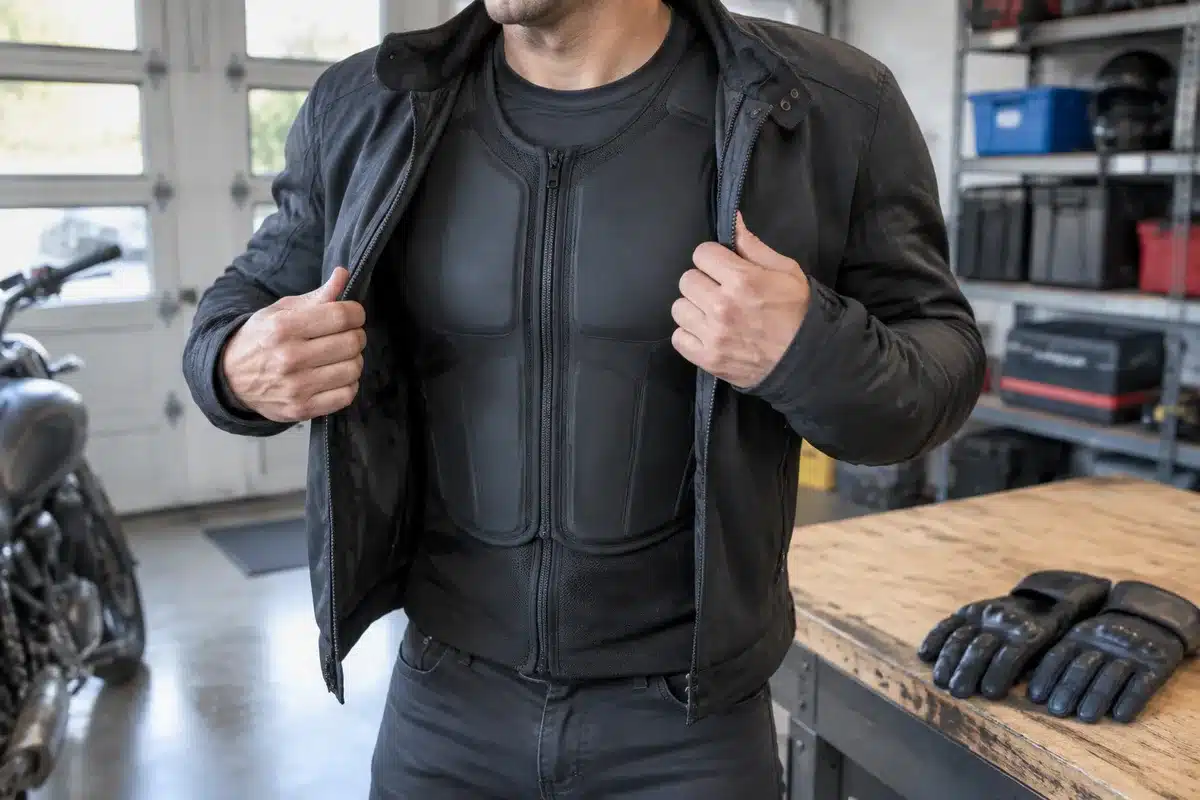
A preview of the Alpinestars Tech-Air 5 Plasma’s specs and features
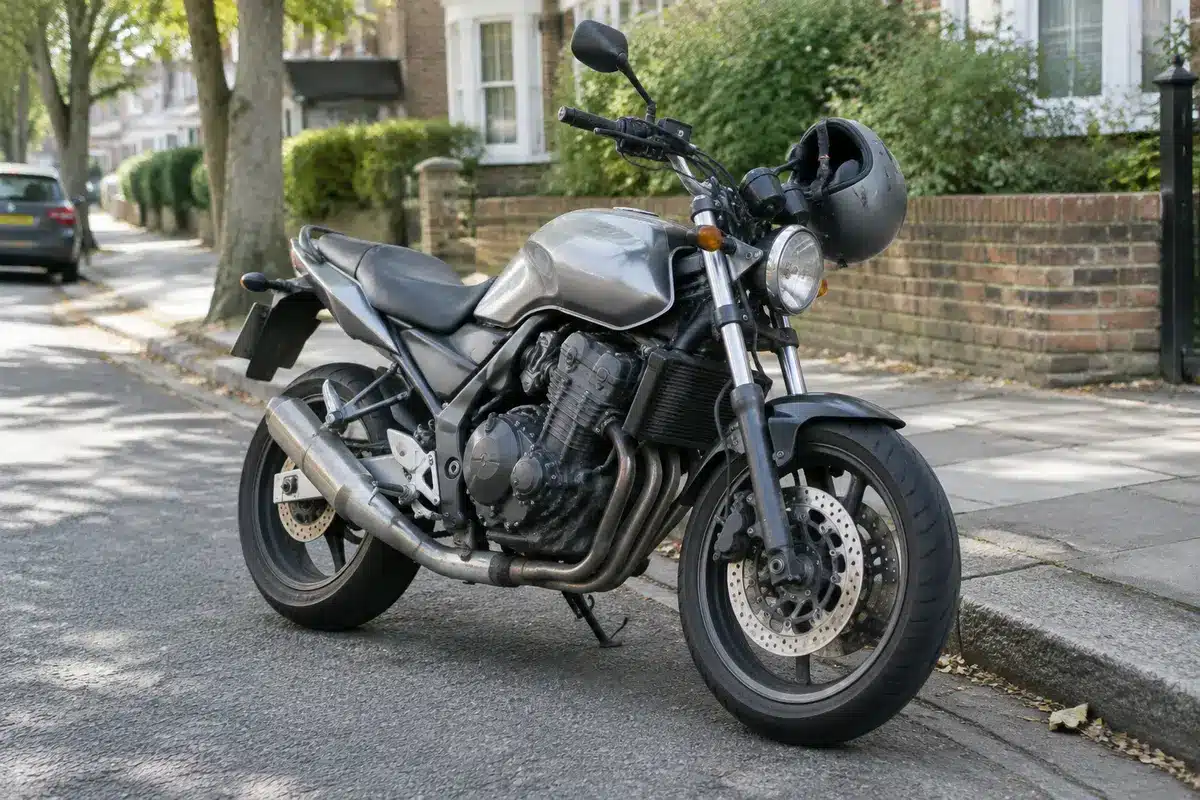
A preview of the 2027 Triumph Street Triple 798 RS
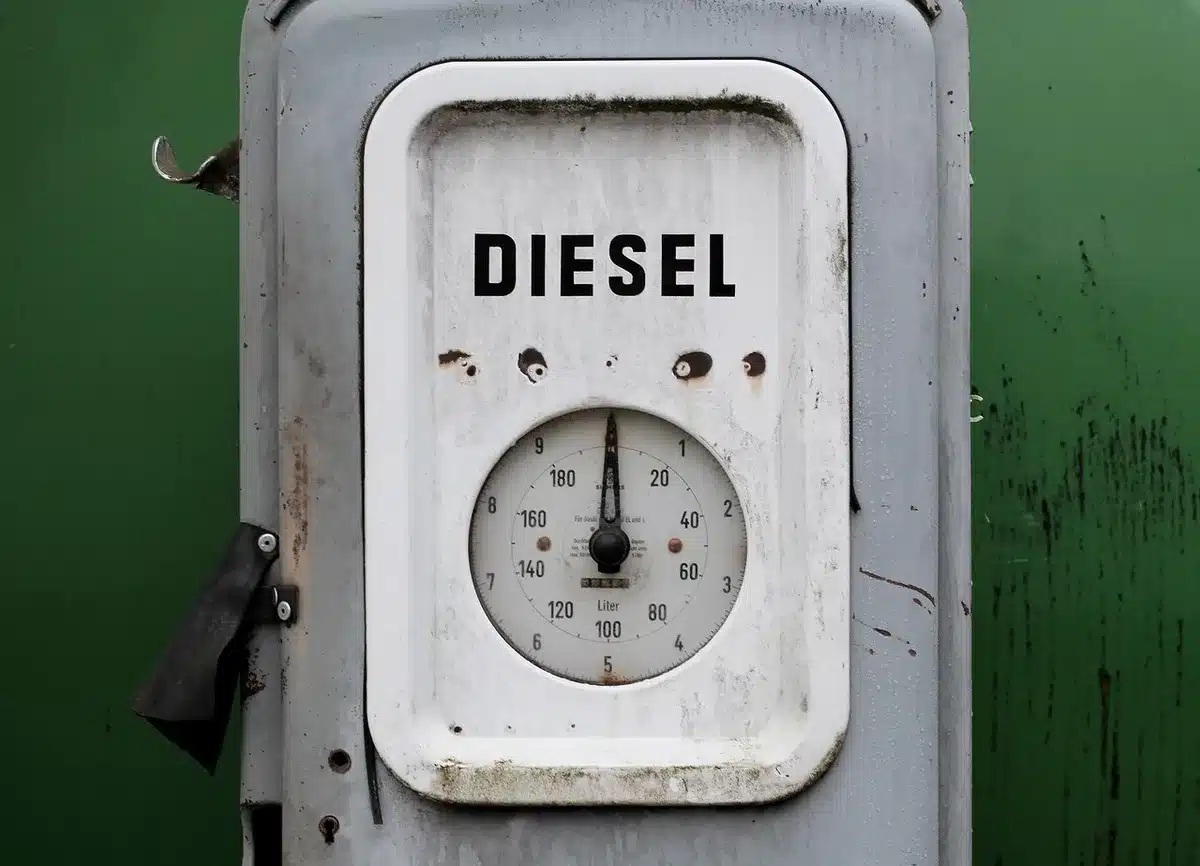
Farmers had already found diesel costly. With the current US–Israel–Iran conflict contributing to sharp increases in global fuel prices, many can no longer afford to run their pumps at all.
How the solar three-wheeler works
BRAC’s vehicle, called Ponkhiraj, is built on a converted electric version of a Tempu — a common people- and cargo-hauler in Bangladesh. It travels along narrow rural roads, stopping at field edges to irrigate.
When parked, the vehicle deploys folding photovoltaic panels to both sides. Those panels feed a hybrid controller that powers a 3-hp pump, which pulls water from nearby canals or lakes.
- Solar array: 3.3-kW monocrystalline panels
- Pump capacity: up to 60,000 liters (15,850 US gallons) per hour
- Daily coverage: roughly 2.5 acres (1 hectare)
Costs, emissions and extras
BRAC reports Ponkhiraj can irrigate about one hectare per day at a cost of roughly $0.80 — a fraction of the approximately $8 diesel cost for the same operation. The switch eliminates local exhaust pollution and reduces carbon emissions from irrigation.
The vehicle’s battery pack also serves as a mobile power source, offering additional utility for off-grid needs on farm sites.
Plans for wider use
BRAC says it is constructing more Ponkhiraj units and is exploring deployment beyond Bangladesh to other developing countries facing similar energy and agricultural challenges.