Show summary Hide summary
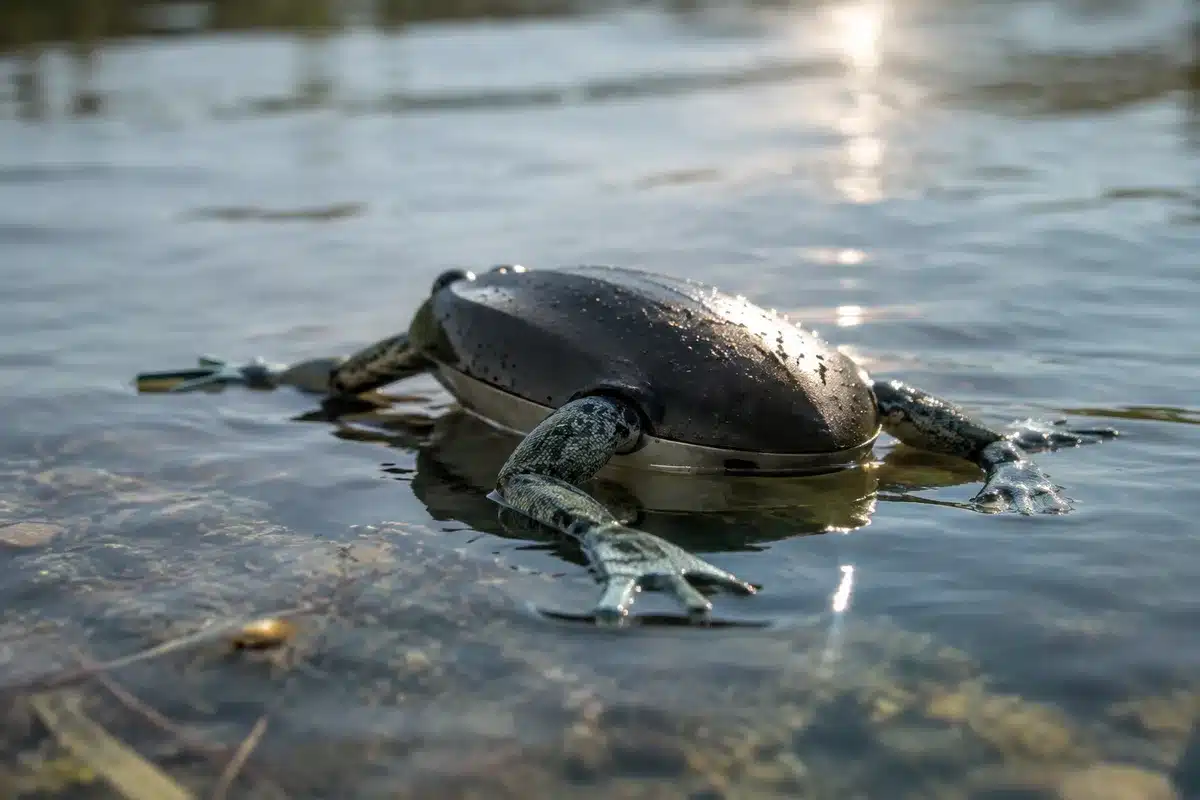
A tiny frog-shaped robot printed in a single run has learned to paddle across water without motors, batteries or wires — though it does so slowly. The device, developed by researchers in Denmark and Luxembourg, uses light-activated soft “muscles” to coordinate leg movements and travel about 80 millimeters per lap.
How light powers a 3D-printed swimmer
Chemist Brigitte Städler and PhD student Cecilie Ryberg at Aarhus University, together with colleagues from the University of Luxembourg, built the device using a soft silicone body and embedded muscle-like strips of a liquid-crystal elastomer. The entire assembly weighs less than a gram.
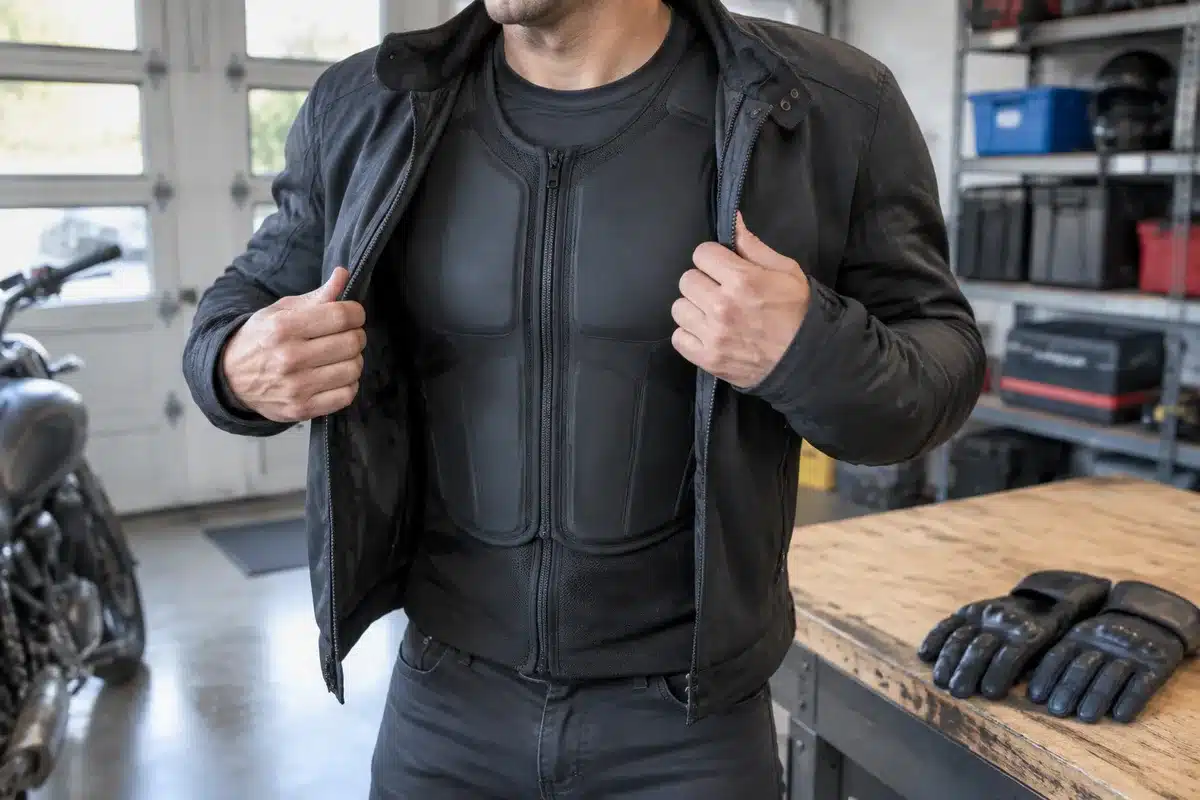
A preview of the Alpinestars Tech-Air 5 Plasma’s specs and features
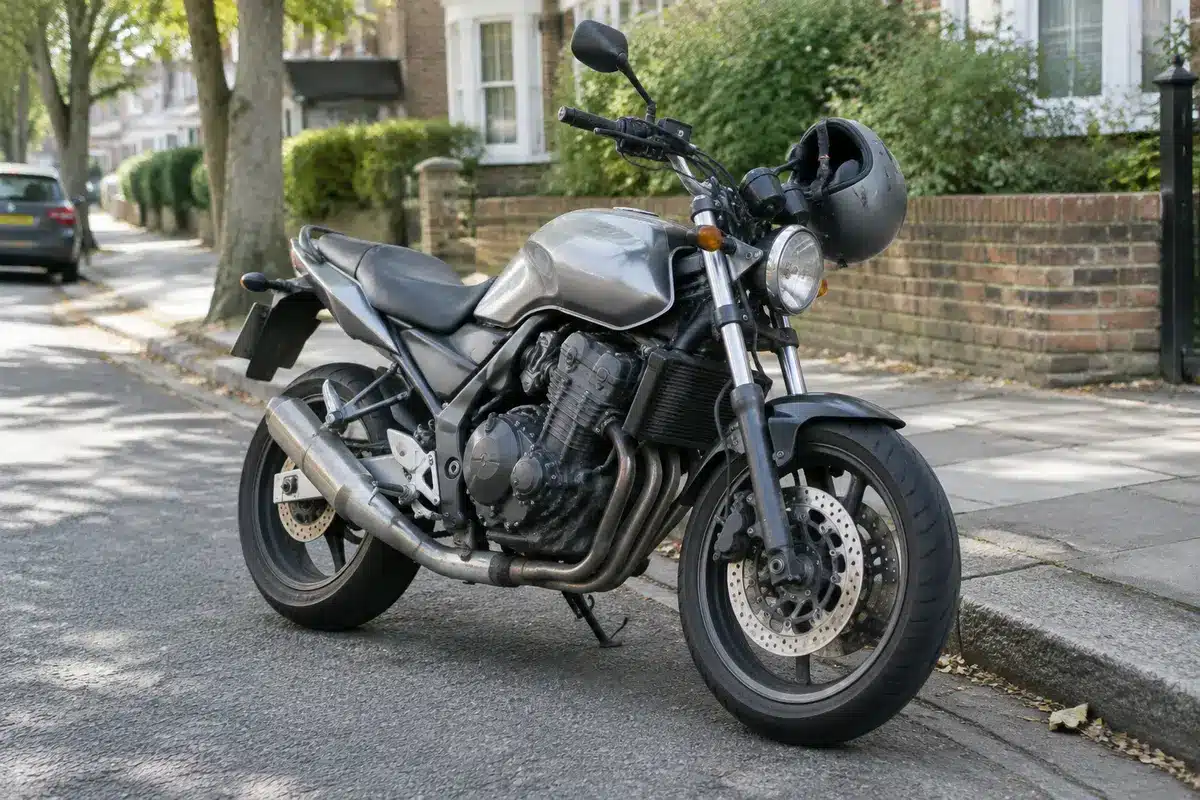
A preview of the 2027 Triumph Street Triple 798 RS

Movement comes not from electronics but from bursts of near-infrared light. Pulses of light heat dye in the muscle strips, disturb the polymer structure and make the strips contract. When they cool, the material lengthens again. Repeating the cycle produces a paddling motion that propels the robot across the surface of a water bath.
Coordination was the key challenge
Getting a single strip to shrink was only the start. “Getting the six muscles to work together was a major challenge,” Städler says. Without coordinated contractions the little frog can spin in place instead of moving forward.
The team printed the muscles and body in one pass, extruding a rubbery liquid-crystal elastomer through a nozzle in a process Ryberg compares to piping icing. That approach aligned the material’s molecules so the strips would reliably change length when heated.
Finding a formula that flowed through the nozzle, retained its shape and responded predictably when illuminated proved difficult. Early prototypes even pushed water toward the head because the legs bent the wrong way when activated. By rearranging how the muscle strips attach and altering joint shapes, the researchers straightened the legs and directed thrust rearward.
Performance, limits and possible uses
The frog completed the roughly 80 mm (3.1 in) lap in about 1 minute 54 seconds on average — a pace that translates to roughly 1.5 body lengths per minute. That speed is modest, but the team emphasizes the advance in soft-robot coordination rather than raw velocity.

The swimmer has practical limitations. It needs evenly distributed light pulses to keep a straight course, and water absorbs heat from the muscles, reducing efficiency. The researchers suggest a steerable light beam that could activate one leg at a time as a possible way to add turning control.
Earlier this year, researchers at MIT described a different light-powered swimmer that used living muscle cells attached to a soft frame; flashing light made those cells twitch and steer the device through a maze. Städler’s group notes that combining steerable activation with their method of printing muscle structures directly into soft bodies might make it easier to build very small swimmers that can navigate tight or cluttered spaces.
Potential applications include inspecting flooded or confined structures and carrying sensors through shallow, obstructed waterways. The team also points to a shorter-term, more playful market: simple light-activated toys that can be sent paddling across a bathtub.
Publication and source
The research was published in Advanced Materials Technologies. Source: EurekAlert.