Show summary Hide summary
Some motorcycle video ideas on Zack Courts, Ari Henning and Spencer Robert’s spreadsheet may never make it to filming. On episode 20 of the Bore and Stroke podcast, Courts and Henning discussed what separates a promising premise from a full episode and why hours of editing can lead them back to their first cut.
How three collaborators settle creative disagreements
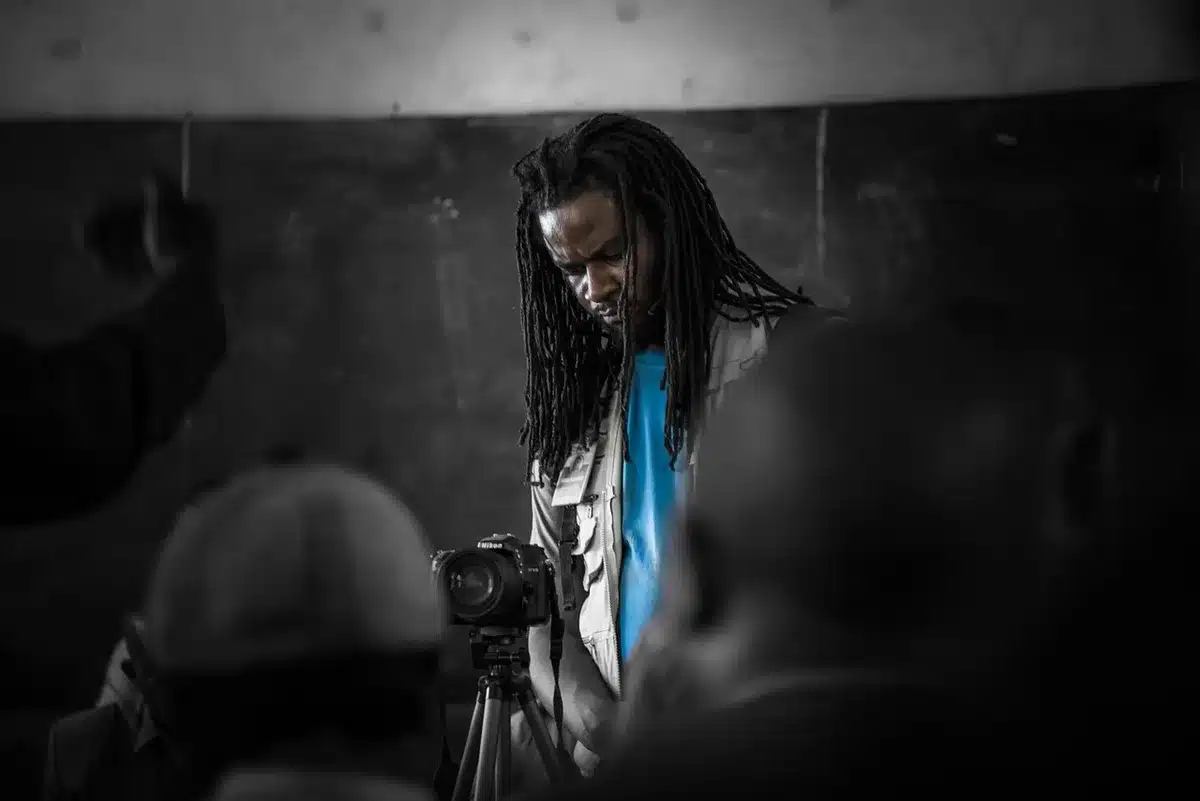
Courts is the host and storyteller, responsible for explaining what a motorcycle feels like to ride in terms viewers can understand. Henning brings the technical expertise to determine whether a concept can work in practice. Behind the camera, Robert helps shape the narrative and pushes the team to try different creative approaches.
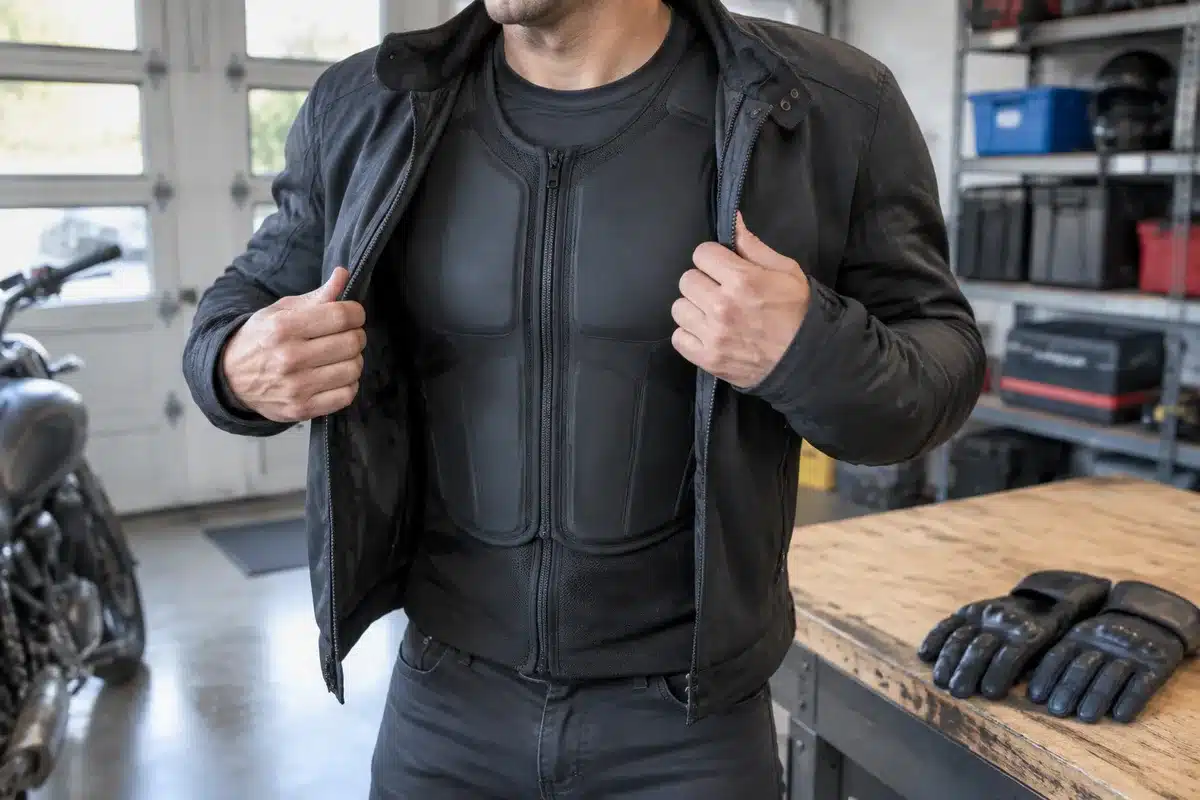
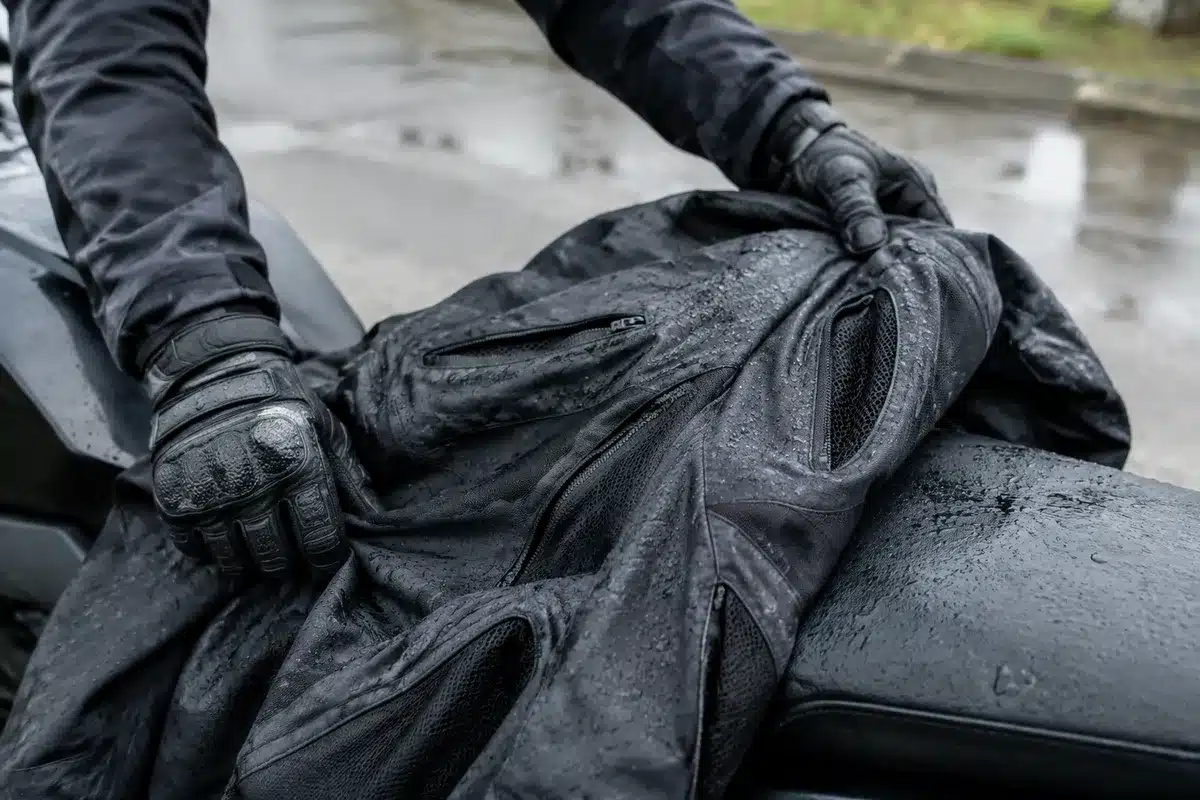
A preview of the Alpinestars Tech-Air 5 Plasma’s specs and features
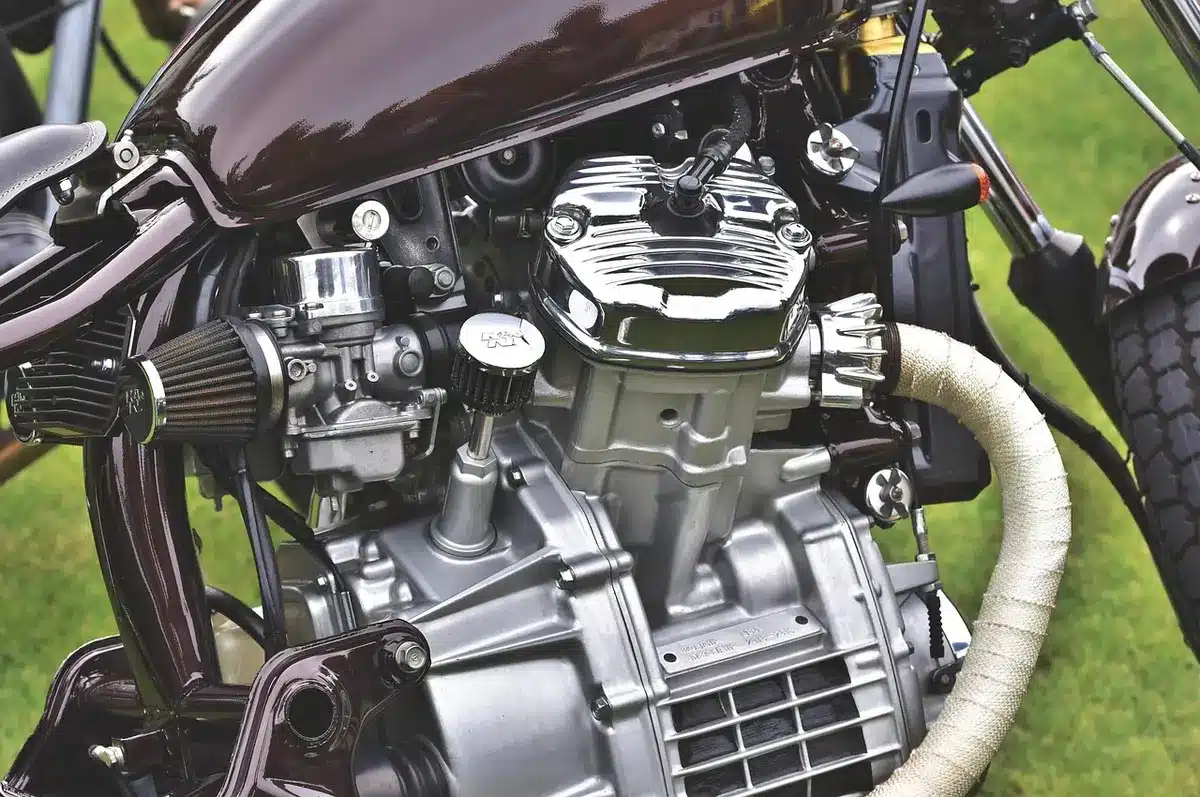
A preview of the 2027 Triumph Street Triple 798 RS
When they disagree, the decision comes down to a majority vote. Two votes in favor move an idea forward. Two against take it off the table.
That rule settles disagreements, but it doesn’t make the work quick. Henning said the team can spend two hours in a weekly meeting or several hours revisiting choices in post-production, only to return to its original approach.
What makes an idea worth filming
The team keeps dozens of concepts in a spreadsheet that stretches back more than a decade. Henning said some stay there because they lack what he calls a “tentpole”: a central premise strong enough to sustain an episode. The popularity of past videos adds another challenge as the team considers what to make next.
One premise the team returns to is giving a motorcycle a job it was never designed to do. The mismatch gives the episode a question to answer: Can the bike handle the task despite being a poor fit for it?