
Show summary Hide summary
Smart bird feeders are bringing the backyard binoculars to your phone. Birdbuddy’s new entry-level feeder, the Nook, blends a high-resolution camera and on-board AI with smartphone alerts — and it arrives with a modest $99 price tag.
How the Nook works
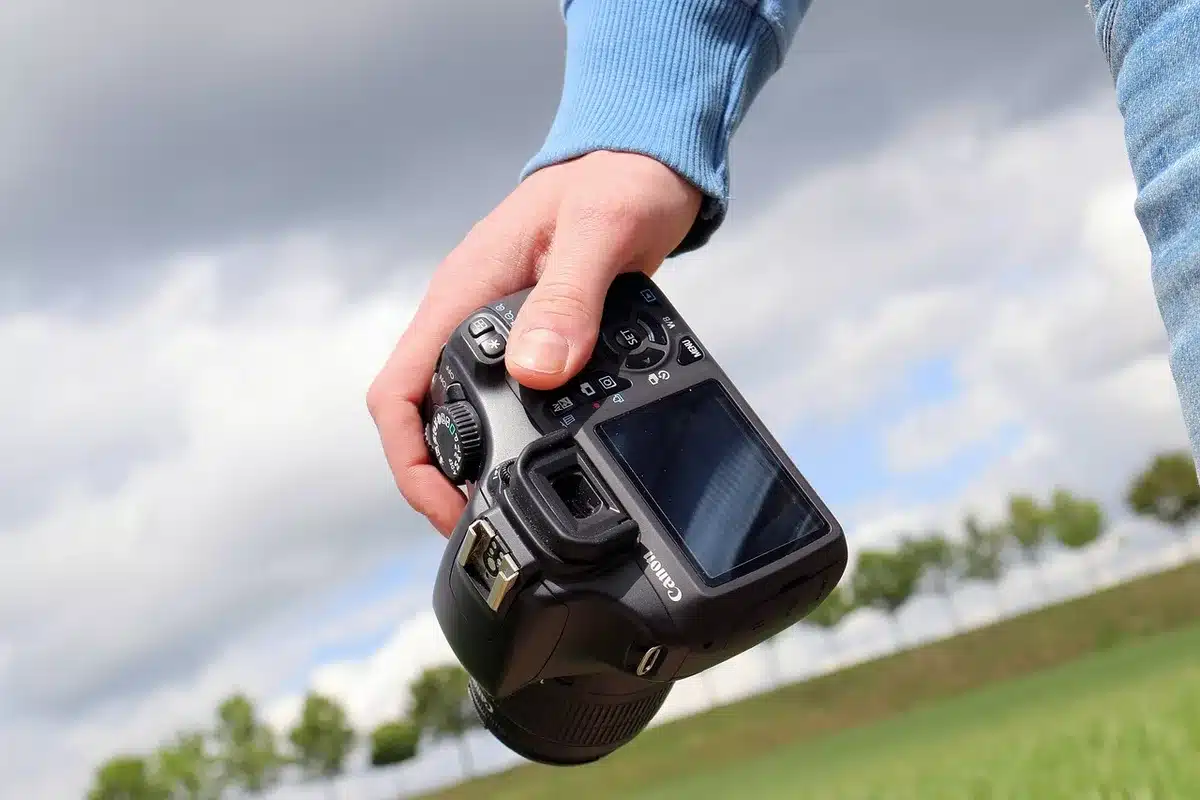
The device uses a built-in camera that activates when a bird lands at the feeder, capturing photos and short videos in either portrait or landscape. Birdbuddy markets the camera as 2K HDR with a roughly 135-degree field of view.
Triumph Bonneville T40: 398cc single-cylinder powers the 2027 T40
Bikernet releases pre-rally weekly newsletter dated July 23, 2026
On the recognition side, the system can identify a wide range of species — the company cites a database covering about 11,000 birds — and it can flag returning individuals so users can build profiles and assign names to familiar visitors. Those identification capabilities are powered by an AI pipeline that runs through the companion app.
App features and subscription limits
The feeder links to your smartphone and sends alerts when birds arrive. The app can also notify you about unusual events — for example, if a visitor appears injured or a predator, such as a cat, approaches.
Birdbuddy includes an AI chatbot called Nature Chat for additional context and bird facts. Some advanced features — including automatic species identification, unlimited Nature Chat interactions and the ability to name individual birds — require a paid subscription. Birdbuddy lists an annual membership at $69.
Basic functions remain free. That includes capturing and downloading images and videos, and the free account supports up to 10 people connecting to the same feeder profile — handy for families sharing one backyard camera.
Power, placement and weather
The Nook needs Wi‑Fi to deliver notifications and to use cloud-based services, so placement near a reliable connection is important. The base model ships with a rechargeable battery Birdbuddy says can last up to a month under typical use. Battery level is visible in the app and recharging uses a USB‑C port.

There is a solar-roof variant offered for $159. Birdbuddy notes that solar performance depends on local weather: sunnier climates will reduce the need for manual recharging, while shorter winter days and cold conditions can diminish charging efficiency. The company specifies an operating temperature range from −20.5 °C to 48.5 °C (−5 °F to 120 °F).
Models and capacity
The standard Nook is compact, with dimensions of about 176.5 x 150 x 158.5 mm (6.9 x 5.9 x 6.2 in). Both the base and solar Nook models hold roughly 0.9 liters (about 3.8 cups) of seed. The solar version is only slightly larger in size.
For heavier use, Birdbuddy also offers the Birdbuddy Home, a larger unit with a 1.4‑liter seed capacity and bigger integrated solar panels. That model is priced at $219.
Who might want one
The Nook is aimed at newcomers to birdwatching and people who want a low-effort way to monitor backyard activity while they’re away from home. For those seeking hands‑off sightings or an easy way to document visitors, the combination of camera and app can be appealing.
At the same time, some capabilities are gated behind a subscription, so buyers should weigh which features they value before purchasing. According to Birdbuddy, the product family is intended to make backyard birding more accessible without requiring advanced optics or constant on-site attention.
Company notes: Birdbuddy was founded in New York in 2020 and provides the product specifications cited above.