Show summary Hide summary
As reading rates in parts of the United States continue to fall, Shenzhen offers a striking counterpoint: a fast-growing metropolis that has deliberately woven libraries into daily urban life. The city’s library network—mixing 24-hour self-service kiosks, grand multi-level facilities and high-tech automation—now registers tens of millions of visits each year.
Libraries built into a tech metropolis
Shenzhen’s embrace of reading is tightly bound to its recent transformation. Once a collection of fishing and farming villages before 1979, the city has become a hub for major technology firms and ambitious architecture.
Triumph Bonneville T40: 398cc single-cylinder powers the 2027 T40
Bikernet releases pre-rally weekly newsletter dated July 23, 2026

That shift included cultural planning. In 2003 the city launched a unified library ID system, available to Chinese citizens and foreign residents aged three and above, which opened access to hundreds of borrowing points across the growing metropolis. In 2013 UNESCO recognized Shenzhen for its work promoting the value of reading.
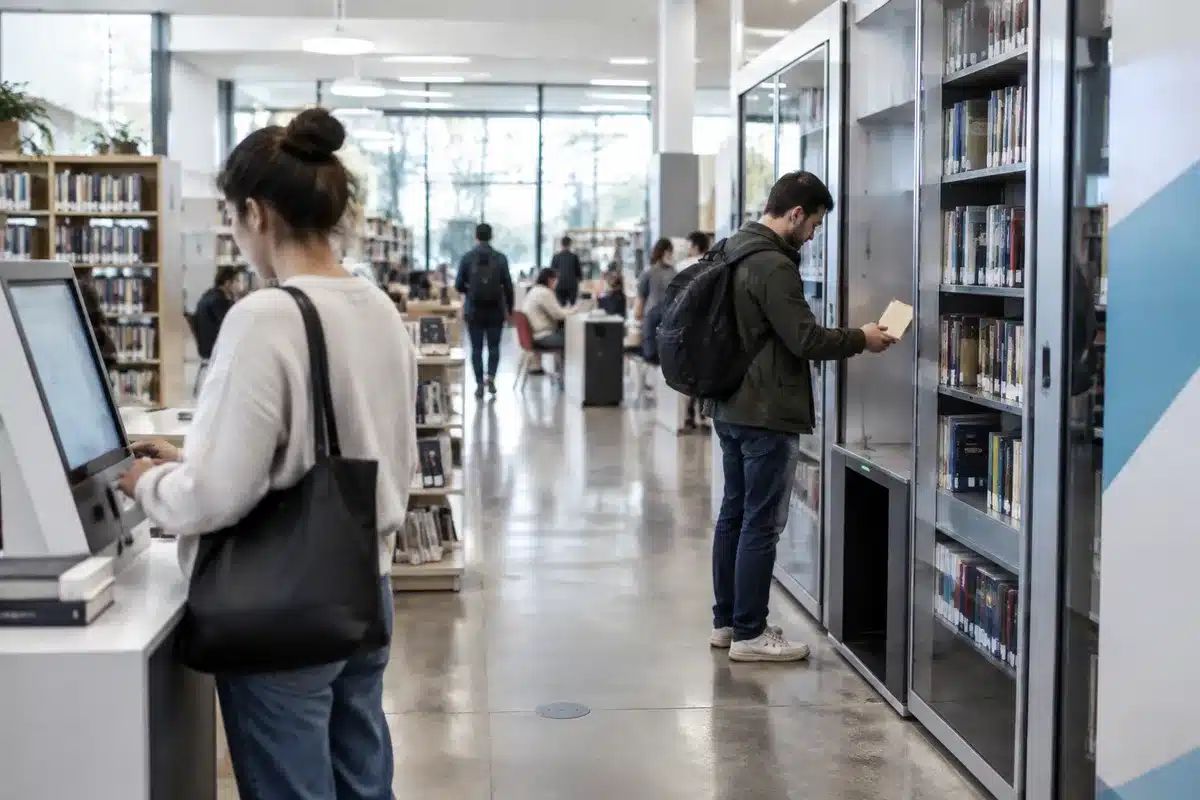
Today the infrastructure ranges from unmanned, round-the-clock book-borrowing kiosks to flagship libraries where automated systems retrieve paperbacks from collections that span multiple floors.
Recent figures that show scale
City-level data compiled into 2026 show a heavy flow of visitors and loans. Public libraries in Shenzhen recorded roughly 54.3 million visits and about 29.5 million physical book loans. As of 2024 the system included 925 public libraries holding some 68.3 million items.
Smaller, automated outlets have also taken hold: there were 322 24-hour self-service “book bars” that logged around 1.17 million borrows—about 4.5% of the city’s loans. Physical book lending rose by 12.4% in 2024 compared with the prior year, according to municipal figures cited in recent reporting.
Roots in a learning culture
Local accounts trace Shenzhen’s reading culture to the early decades of its rapid growth. In the 1980s, many residents turned to textbooks in subjects such as math, chemistry and physics to self-study and pursue new economic opportunities. That demand helped create a market for learning resources and made reading part of the city’s development strategy.
Municipal descriptions of that period emphasize a broad and energetic public appetite for reading. Community-led study groups, workplace learning and classes in English and finance were common, and officials say those activities raised the educational level of many employees.
Reading amid screens: a complex picture
Shenzhen is far from immune to digital distraction. Commuters and shoppers frequently use smartphones and short-video platforms such as Douyin, and public spaces often show the same screen habits seen in other major cities.
At the same time, international coverage has highlighted declining reading in the United States. Recent reporting in outlets including The Wall Street Journal, The New York Times and The Atlantic has drawn attention to long-term drops in book engagement. A 2026 academic paper cited a decades-long decline in book readership in the U.S.; it also noted that plans to expand Americans’ access to libraries were rolled back in 2025. In that study’s sample, just 0.3% of respondents reported reading at a library on an average day in 2023, while 0.5% said they visited a library for any activity.
Those trends underline a key point: high levels of smartphone use do not automatically erase public interest in borrowing and reading. In Shenzhen, high-tech lifestyles coexist with a dense and active library network.
How the story came into focus
A visit to a viral “optical illusion” bookstore—an Instagram-friendly space that draws photo-seekers—led to a deeper look at Shenzhen’s book infrastructure. Reporting revealed a broader, less visible library ecosystem that has been an intentional part of the city’s recent rise, alongside companies such as Huawei, Tencent, DJI and BYD.