Show summary Hide summary
Scientists at The Ohio State University and Zhejiang Laboratory in China have built a prototype system that can detect an odor in one location and reproduce a matching scent somewhere else. The setup pairs an electronic “sniffer” with a remote dispenser and uses machine learning and the internet to link them.
How the system captures and encodes smells
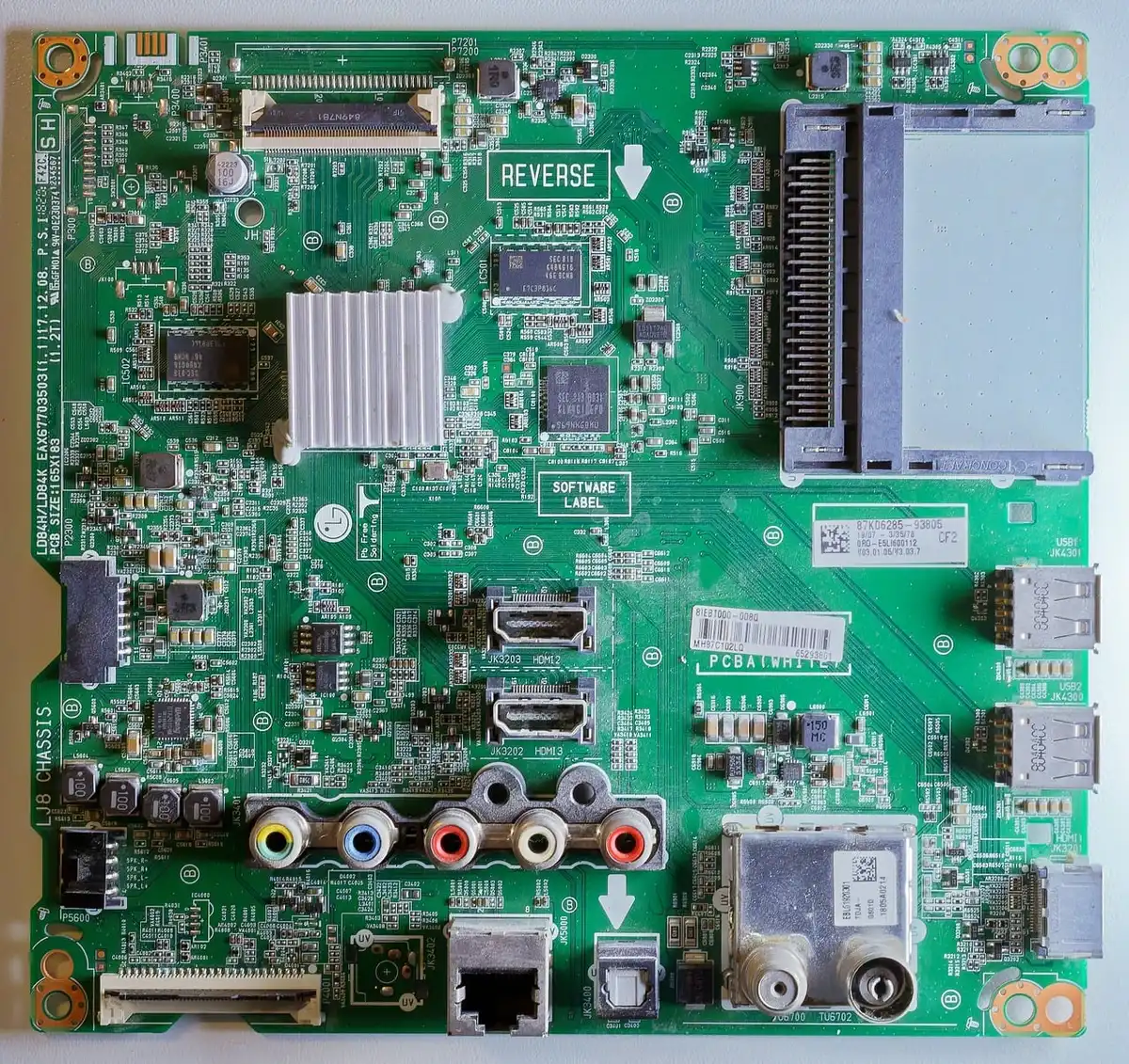
The sending device is an electronic nose, or e-nose, built from a circular circuit board carrying six metal-oxide gas sensors. The sensors use tin dioxide as their sensing material. In clean air, oxygen molecules change the sensors’ electrical resistance; when volatile organic compounds (VOCs) such as ethanol, limonene or diacetyl arrive, chemical reactions alter that resistance again. The result is a time-varying voltage pattern across the sensor array — a rough chemical fingerprint of the odor.
Triumph Bonneville T40: 398cc single-cylinder powers the 2027 T40
Bikernet releases pre-rally weekly newsletter dated July 23, 2026
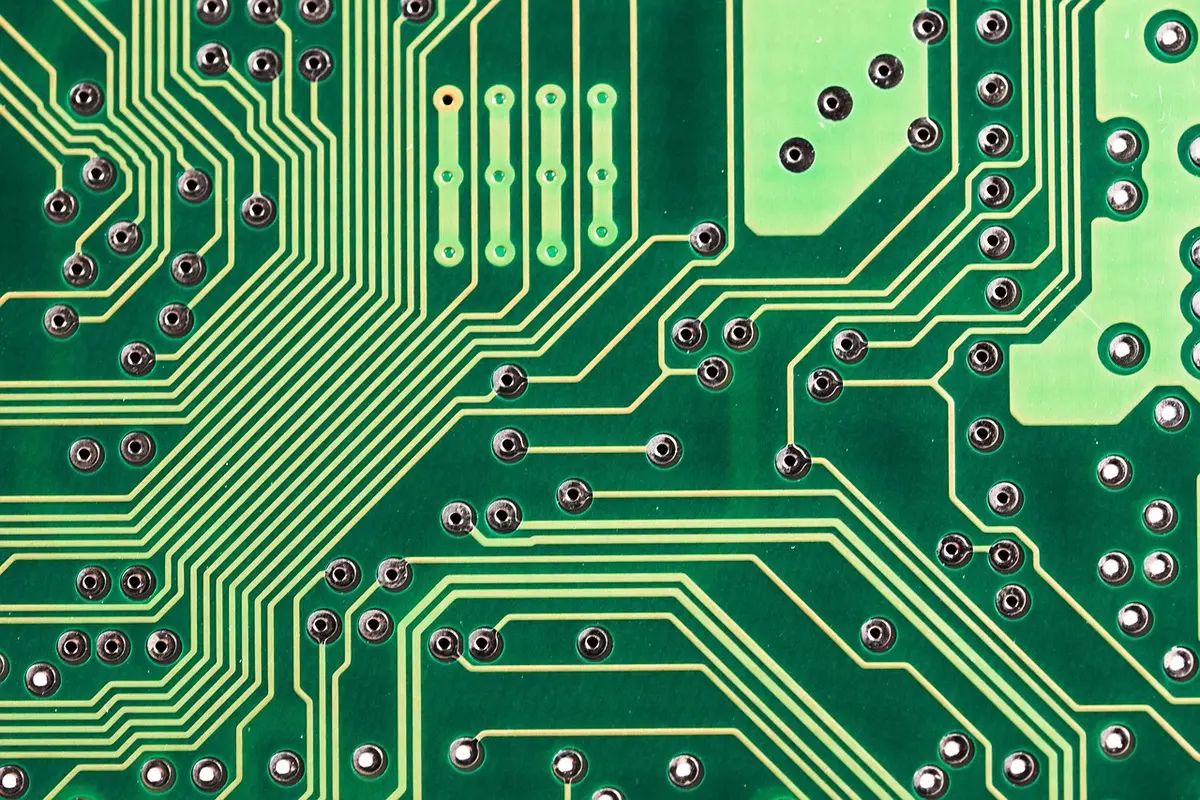
Because each VOC and mixture affects sensors in different ways, the e-nose produces distinct but often imprecise signatures. That imprecision is one reason smells are harder to digitize than light or sound: aromas are complex mixtures of molecules, not simple physical waves.
From chemical signal to label: the role of AI
To turn sensor voltages into meaningful categories, the team collected 250 labeled recordings — 50 for each of five target items — and recorded each trial for 200 seconds. They trained several machine-learning models to map voltage patterns to labels like “coffee” or “orange.”
In controlled tests the models classified the five categories with high accuracy, ranging from about 96% to near 100%, depending on the algorithm used. Once classified, the result is transmitted via a cloud-connected server to the remote dispenser.
The Scentronic receiver: how smells are reproduced
The receiving unit, called Scentronic, holds miniature chambers of pre-prepared scented liquids. Each chamber feeds a channel that draws liquid through a cotton filter to a piezoelectric atomizer. Driven at roughly 110,000 vibrations per second, the atomizer emits a fine mist of fragrance.

An ESP32 microcontroller controls the atomizer and can modulate spray frequency to adjust intensity. Multiple channels can be fired together to produce blends, but the device can only release odors that were preloaded into its channels. In the current prototype that means one of five prepared fragrances can be emitted on command; Scentronic does not chemically reconstruct an unknown perfume from its molecular components.
Prototypes and human testing
The researchers tested several form factors: a lightweight wristband with two scent channels, a necklace with five channels arranged like beads, and a handheld five-channel unit. The wristband and necklace are designed to keep emitters close to the nose for sampling.
When volunteers smelled outputs from the handheld Scentronic, identification accuracy dropped compared with machine classification. In the human trials, participants correctly identified individual scents about 73% of the time and two-scent combinations about 71% of the time. In an intensity-ranking task the correct response rate was roughly 59%.
Adding taste and possible applications
The team also built an experimental cup that pairs five scent channels with five tiny electromagnetic pumps that drip flavoring liquids into water. In a mixed-reality demonstration, selecting a virtual beer or coffee triggered both a matching aroma and the corresponding flavoring in the cup. The prototype illustrates how sight, sound, smell and taste might be combined in future immersive systems.
Researchers note potential uses in areas where perceived food quality affects intake — for example, patients with nutritional issues, astronauts faced with unappealing food supplements, or military personnel consuming field rations. They suggest that enhancing perceived flavor could have nutritional or performance consequences for those groups.
Limits and next steps
The system has clear constraints. The e-nose currently recognizes only five categories, each trained on a single representative product. Scentronic must be preloaded with matching fragrances to reproduce a smell; it cannot analyze an unfamiliar perfume and generate an exact molecular copy. With only five channels, outcomes are approximations rather than faithful recreations.
The researchers plan to pursue more sensitive sensors, larger training datasets, additional fragrance channels and improved handling of complex mixtures. They also call for more rigorous human testing and standardized methods for evaluating medically relevant odors.
The work is described in the journal Science Advances.