Show summary Hide summary
Motorcycle touring feels spontaneous, but the best rides are usually the ones planned well. A thoughtful itinerary reduces stress, keeps you safer on unfamiliar roads, and lets you enjoy more of what you set out to see.
Start planning — but not too soon
Give yourself time. For most multiday motorcycle tours, a planning window of about two to three months is sensible: long enough to sort logistics, short enough to avoid wasted work if circumstances change.
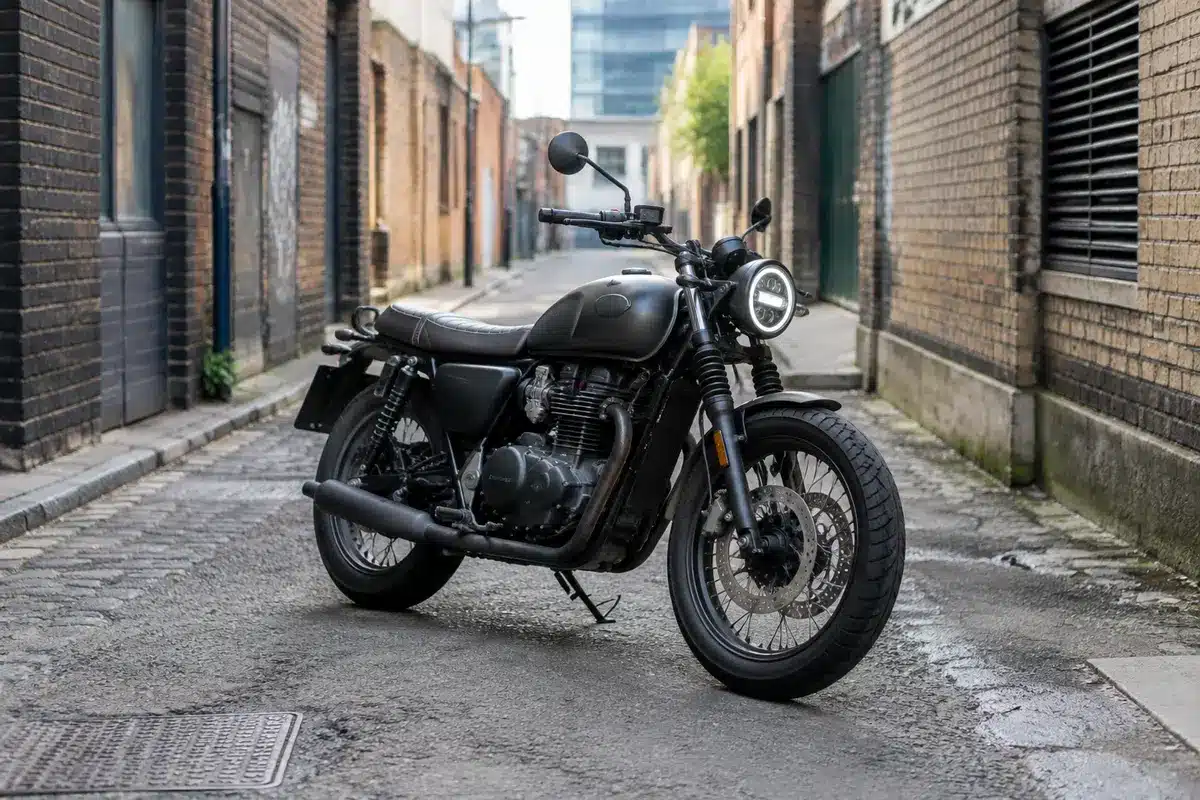
Triumph Bonneville T40: 398cc single-cylinder powers the 2027 T40
Bikernet releases pre-rally weekly newsletter dated July 23, 2026

Short weekend trips often require only a few weeks of preparation, while cross-border or extended tours may call for six months or more. Weather, local events, and road closures can alter plans, so balance foresight with flexibility.
Pick a destination that fits your ride
Begin by matching terrain and road types to the kind of riding you want. Mountain switchbacks suit sport- and standard-style machines. If dirt tracks appeal, an urban itinerary won’t deliver.
Browsing other riders’ reports is one of the quickest ways to find promising routes. Specialized outlets, club pages and tourism sites often reveal overlooked stretches — and many local tourism pages provide maps and free guidebooks worth consulting.
Research the route and stops
After choosing a destination, map the surrounding area carefully. Identify good roads to ride, towns for overnighting, and points of interest you don’t want to miss.
Always note practical stops: fuel, water, food, general stores when available, and nearby medical facilities. A reliable coffee break stop is never a bad idea.
- Key stops: gas, food, water, general stores, medical facilities, and rest/coffee breaks.
Decide which motorcycle to take
Your chosen roads should guide the bike selection. Touring and dual-sport machines serve very different routes; pick the platform that matches your itinerary.
If you don’t want to haul a bike across the country, consider a fly-and-ride approach and rent at your destination. Established rental operators like EagleRider and peer-to-peer services such as Riders Share and Twisted Road can simplify logistics.
Check the obvious maintenance items before departure. Tires are among the most commonly overlooked components — replace them if you have any doubts.
Build routes and daily plans
Turn your points of interest into day-by-day routes. Plan which roads you’ll use, target daily distances, and schedule rest and refuel stops.
A practical rule of thumb is to use an average moving speed of about 40 mph when estimating time. Aim to stop every hour for a short break. For many riders, roughly 200 miles makes for a full riding day.
Digital route planners streamline this work. Tools such as Google MyMaps and manufacturer navigation software are useful, and motorcycle-specific sites like GPX.studio let you add waypoints, elevation data, and timetables, then export a GPX file for your device.
When and how to make reservations
Book the essentials once your dates are set: accommodations, flights, and any park or site permits. Hotels often offer good rates when reserved about four to six weeks ahead.
Airfare tends to be cheapest one to two months before domestic travel, and three to five months out for international flights. Use private or incognito browsing to avoid dynamic pricing when shopping.
For lengthy, multi-week tours, consider booking lodgings only a week or so in advance. That approach keeps your later plans adaptable if your schedule shifts early in the trip.
Packing: prioritize and organize
Packing for a motorcycle requires restraint. The guiding principle is “less is more”. Overloaded panniers affect handling and comfort.
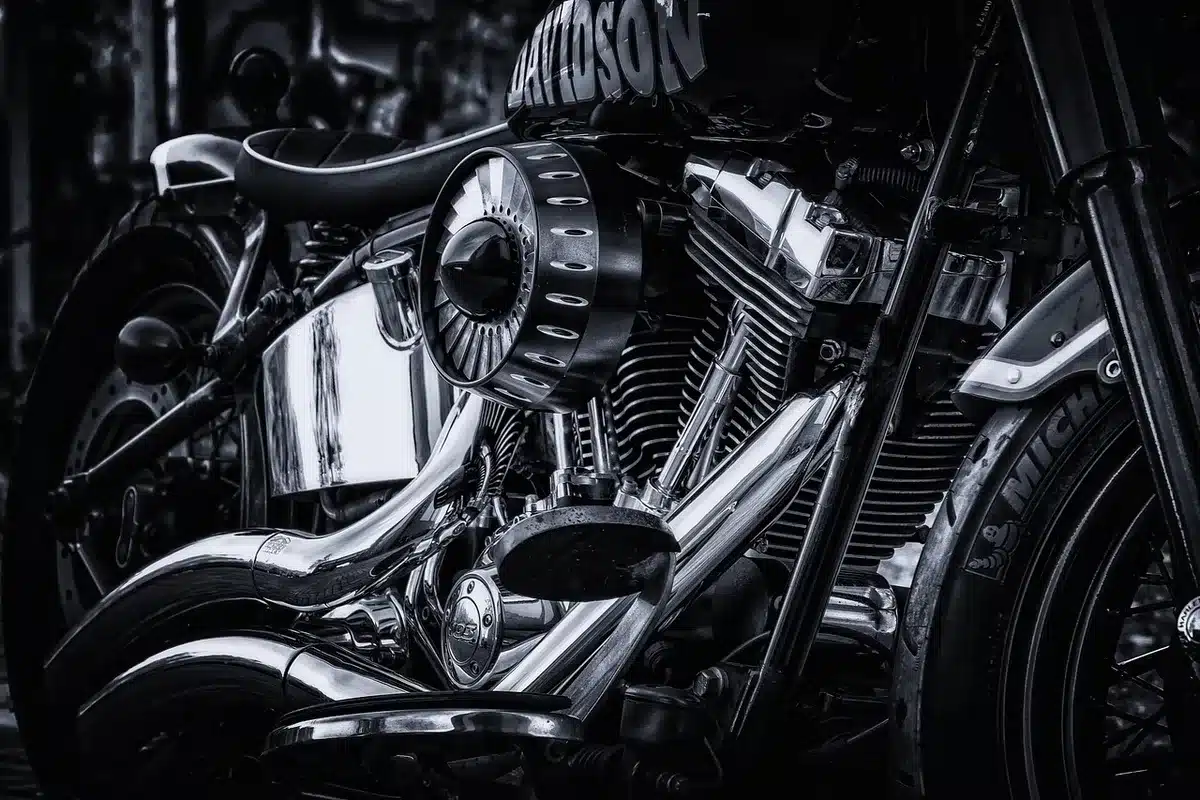
Match your luggage system to the ride. Hard cases, soft bags, racks or harnesses each have pros and cons depending on terrain and distance. If you need structure, buy it before you leave; the wrong setup can create real safety issues.
Print and share your plan
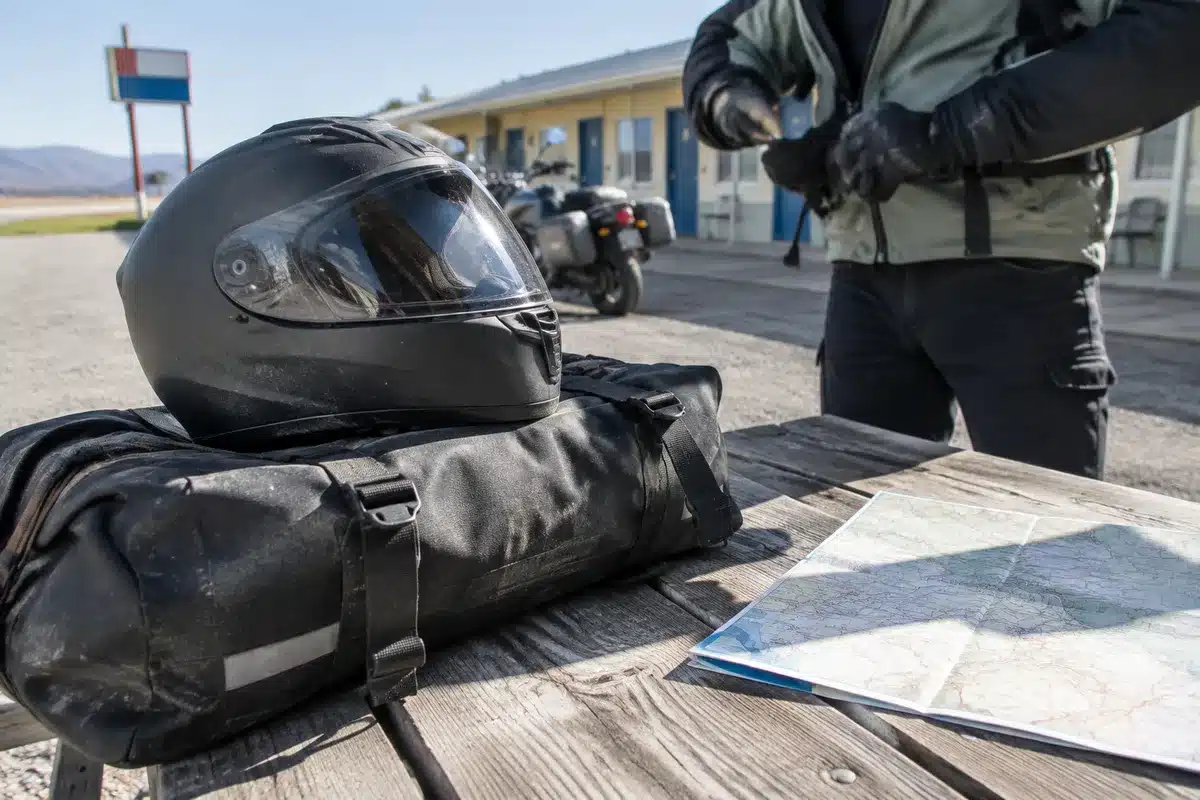
Carry a printed itinerary in addition to digital copies. Phones can lose signal, batteries die, and devices fail under vibration.
A hard copy is also helpful to responders or others in an emergency — it shows where you intended to be and when. Share your route and daily check-in plan with a trusted contact at home, and agree on a procedure if you don’t check in as planned.
Leave room for the unexpected
No plan survives every twist and turn. Road closures, weather and delays happen. Build slack into your schedule and treat detours as part of the experience.
Often, the unplanned moments make the best stories. Keep a relaxed outlook and remember that the ride itself is the point of the tour.