Show summary Hide summary
Thermal Master’s new DV2 thermal viewer mixes a camcorder-like build with a flip-out display, aiming to make wildlife spotting simpler. I tested the unit amid prolonged heatwaves and heavy storms, which limited some field checks but also highlighted how the device performs under real-world conditions.
Design and handling
The DV2 resembles a compact camcorder more than a traditional monocular. It has a smoothly rotating, flip-out 5-inch touchscreen that displays the thermal feed from a 10-mm f/0.8 lens. In use it feels closer to a smartphone pivoting out of a mount than to most thermal units I’ve tried.
Post Salt Bikernet issues weekly edition for August 28, 2026
Light-powered e-paper display powers wall art without an external charger
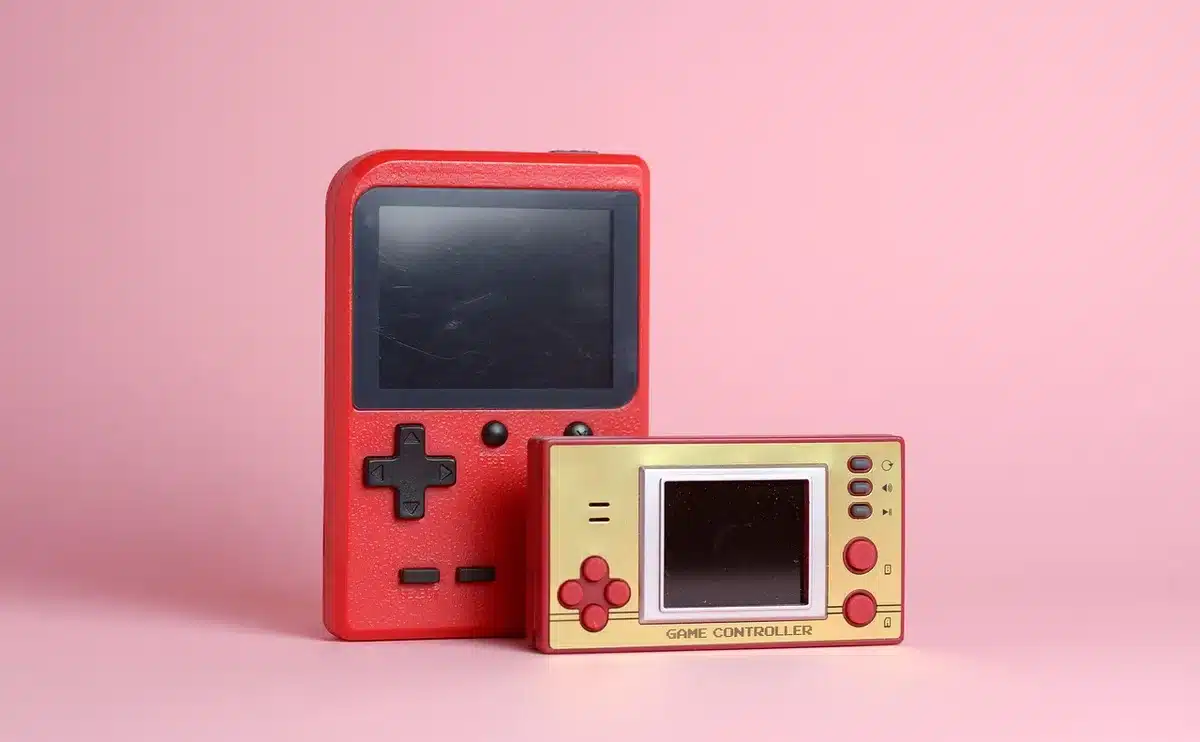
With the battery installed the device weighs about 512 g (18 oz). The body is largely plastic to keep weight down, yet it feels solid and ships in a protective hard case. The touchscreen and controls are straightforward, although the display becomes harder to operate in rain—much like any capacitive phone screen.
Imaging and detection
At its core the DV2 relies on a native 256 x 192 thermal sensor with manual focus. The company also applies AI upscaling to improve detail, but how much that helps depends on lighting, distance and foliage density.
Thermal Master claims a detection range exceeding 1,000 yards (914 m/3,000 ft). I couldn’t verify that figure precisely because testing took place on a steep mountainside and during poor weather, which made distance estimates unreliable. In practice the unit consistently picked out heat sources at long range and performed well through dense vegetation.
Smaller birds often register as amorphous heat patches rather than clear silhouettes. The DV2 is excellent for locating animals—especially nocturnal species such as owls—but it is not designed to identify species on its own. Serious birders will likely pair it with optical cameras or a separate identification workflow to capture crisp images and confirm species.
Field performance and limitations
Nighttime use is where the DV2 shows strength; thermal contrast is most helpful after dark. Be aware, though, that the screen emits enough light to disturb animals nearby, so keep your distance when approaching close targets.
Extreme ambient heat affected the unit during my testing period. Temperatures that felt well over 100 °F (40 °C) made both the DV2 and my phone more difficult to manage, and heavy rain limited outdoor sessions. These conditions underline that environmental factors still shape what thermal gear can reliably achieve.
The companion app is serviceable but not seamless—it felt a bit clunky during testing and does not currently support setting the DV2 up as a continuous live-stream camera like a dedicated wildlife feeder cam. Put simply: it finds the animals; you do the rest.
Power and endurance
Instead of a non-replaceable internal cell, the DV2 uses a removable 21700 rechargeable battery. Thermal Master includes a charger, and the device accepts off-the-shelf 21700 cells, which makes it easy to carry spares on longer outings. The company’s claim of roughly up to eight hours of continuous use from a single battery matched my practical experience under typical conditions.
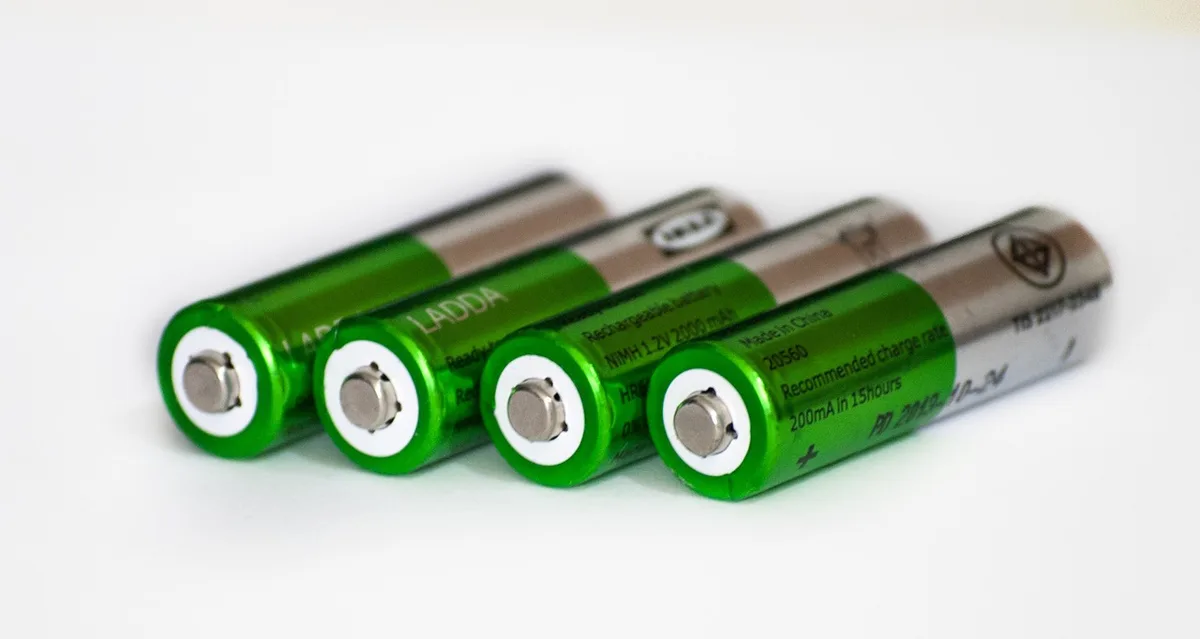
A small design detail I liked: the battery cover partly flips up to act as a temporary handle while changing cells, then folds flush when closed. It’s a modest touch but useful in the field.
Packaging, durability and portability
The DV2 ships with thoughtfully arranged accessories and a compact recharging kit. Despite the plastic construction, the unit has so far held up to rain and rough handling in tests. The touchscreen remains the most weather-sensitive element.
Price and availability
At launch the DV2 is listed at a discounted price of US$499, which reflects a US$100 reduction from the MSRP. It comes with a two-year warranty and global customer support. The company has arranged a temporary reader discount code for some outlets, and the device is also offered through Amazon.
I plan to add photos taken with the DV2 when weather and conditions allow clearer field sessions. Testing under prolonged heat and storm conditions limited the imagery I could capture during this review period.