Show summary Hide summary
After a year-long loan and thousands of miles in all weathers, the Triumph Tiger 1200 GT Pro proves itself a dependable, comfortable long-distance machine — but not without a few tech niggles. Packed with new hardware and a revised engine, the GT Pro reshapes what a big adventure bike can feel like on Britain’s roads.
What’s new: weight savings and the T‑plane character
The latest Tiger 1200 generation arrives with two headline changes: a significant reduction in mass and a reworked 1,160cc powerplant. Triumph’s T‑plane concept replaces the former crankpin layout with offsets at 0, 90 and 180 degrees and uses a 1‑3‑2 firing sequence. The result is a twin‑like shove under 3,000rpm and a more conventional inline‑triple feel at higher revs.
FIM Yamaha R7 BLU CRU World Cup: registrations officially open
Owner describes daily use of Triumph Tiger 1200 GT Pro
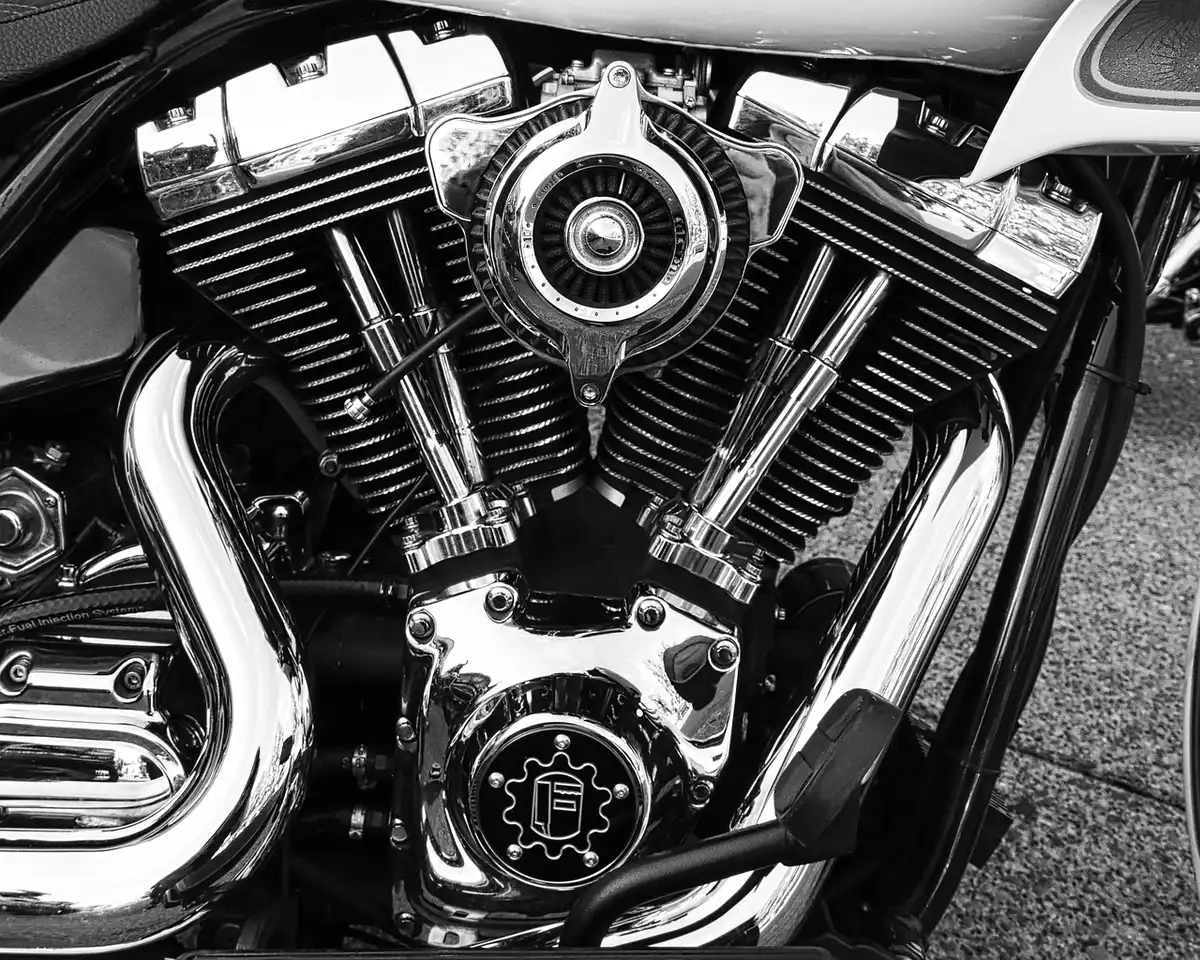
That trade‑off sacrifices some of the previous model’s silky top‑end refinement, but brings stronger low‑ and mid‑range torque and improved traction when the surface is loose. In practical terms it means easier third‑ and fourth‑gear overtakes and a more confident, tractable ride in varied conditions.
Range and real‑world fuel figures
GT Pro models carry a 20‑litre fuel tank; Triumph’s Explorer variants use a 30‑litre unit. On a regular 200‑mile round trip to the Visordown office the GT Pro completed the run without refuelling. Pushing the range further, the author recorded a maximum of about 224 miles before running the onboard range display to zero, then refuelled with 18.5 litres — suggesting the trip computer carries a modest safety margin.
Chassis, suspension and ergonomics
Triumph redesigned the frame and chassis around mass centralisation. The engine and drivetrain are more compact and lighter, and the new frame saves roughly 5.4kg. Overall the bike is around 25kg lighter than its predecessor, a change that is immediately apparent on twisty roads and when manoeuvring at low speeds.
The GT Pro uses Showa’s semi‑active, electronically adjustable suspension, which automatically alters preload to account for luggage and a passenger. Triumph also introduced an Active Preload Reduction feature that temporarily lowers seat height by reducing preload at low speeds — a shave of up to 20mm in certain settings. That function arrived as a software update after launch and wasn’t available for initial testing.
The new damping setup feels firmer and more composed than before. It isn’t as granular as some rivals’ systems, but it offers sensible presets — comfort to sport — that are easy to switch between on the move. For most of the loan the bike was ridden in Sport mode, which balances corner support with compliant damping for Britain’s imperfect roads.
Practical kit and touring comfort
The GT Pro comes well equipped in stock trim: handguards, fog lamps, heated grips and a heated rider seat are standard. The test machine added a 52‑litre top box and pannier mounting racks, a combination that proved highly usable for daily commuting and airport runs.

- Standard highlights: heated grips and seat, fog lights, handguards, large top box fitted to this test bike.
The top box is straightforward to remove or refit with a key and button release, and its capacity means luggage stays secure while filtering through London traffic. Even when loaded — sometimes with luggage seated high and rearward — the automatic preload adjustment kept enough weight over the front to preserve contact on the 19‑inch tyre and maintain stable handling.
After roughly 6,000 miles focused on motorway work, the GT Pro’s comfort stood out. The revised front fairing and screen create an effective wind and weather bubble, and the heated seat and grips work well in wet, cold conditions. A minor inconvenience: the pillion seat must be unplugged to access the underseat storage, where a phone charging area lives; the wiring is short, which makes accessing that compartment fiddly.
Where the bike still has room to improve
Most of the ownership experience was positive, but a handful of issues surfaced. The new TFT display is clear and well laid out, yet Bluetooth pairing with phones has been inconsistent. Pairing often required repeated attempts, forgetting devices, and even help from a Triumph technician at the factory to get connected.
Navigation via a phone feed to the TFT also produced at least one poor routing choice during a show run into central London, locking the rider into a slow, traffic‑heavy path rather than the faster ring‑road option. Those incidents underline that the phone‑based nav integration can sometimes behave unpredictably.
Other small annoyances included water collecting in the left wing mirror and then pouring onto the rider’s hand when moving off, and the inconvenience of unplugging the heated pillion seat to reach the underseat locker.
How it rides loaded and on the limit
Lightening and centralising mass pay clear dividends. On back‑to‑back twisty sections the GT Pro feels much more agile than the previous generation. The front end is free of the cumbersome feel that once characterised large adventure twins; only at very slow, deliberate manoeuvres does the bike remind you of its bulk.
Even fully laden for airport runs, the bike proved composed and confidence‑inspiring. The combination of automatic preload adjustment and semi‑active damping kept the handling predictable, while the T‑plane torque made overtakes on A‑roads straightforward without frequent downshifts.
Long‑term ownership notes
By the end of the extended loan the bike had covered about 8,000 miles in total and remained reliable throughout. The author reports no starting or major mechanical issues, and only surface wear on lower fasteners attributed to infrequent weather protection rather than mechanical fault.
After spending significant time on the GT Pro, the reviewer’s preference shifted away from the Rally variants. While Rally models look the part for off‑road work, the GT Pro provides the combination of comfort, kit and on‑road performance that matched the real‑world needs of a UK commute more closely.