Show summary Hide summary
Shoei’s Neotec 3 arrives as an expensive, high-end modular helmet aimed at long-distance riders, with a UK starting price of £599.99 and an early‑2024 launch. It promises improved aerodynamics, built‑in comms compatibility and a quieter ride — but also introduces design changes that divide opinion among users of the earlier Neotec 2.
What the Neotec 3 brings to the table
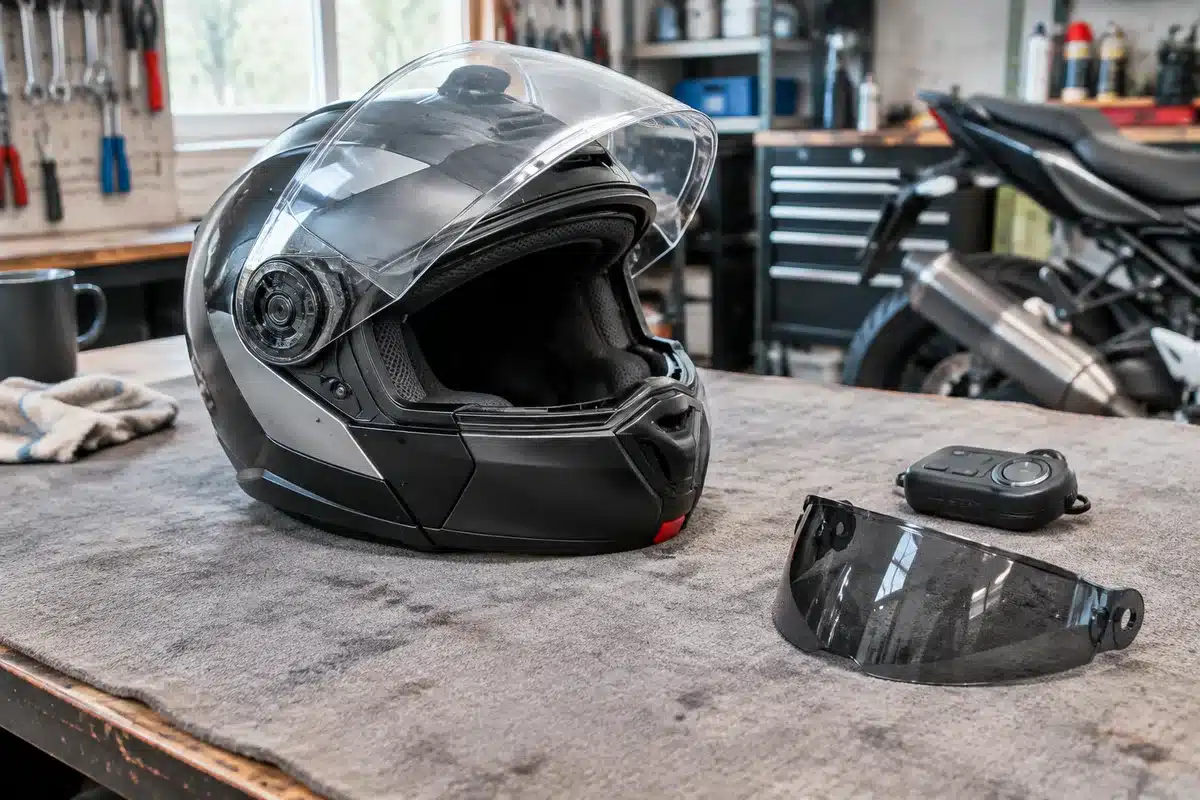
The Neotec 3 is a third‑generation modular helmet featuring a **flip‑front** opening, an easy‑remove main visor, and an integrated drop‑down sun visor. Shoei includes a **Pinlock** antifog insert and fits the helmet with a micro‑ratchet chin strap. It is compatible with the **SENA SRL3** intercom system.
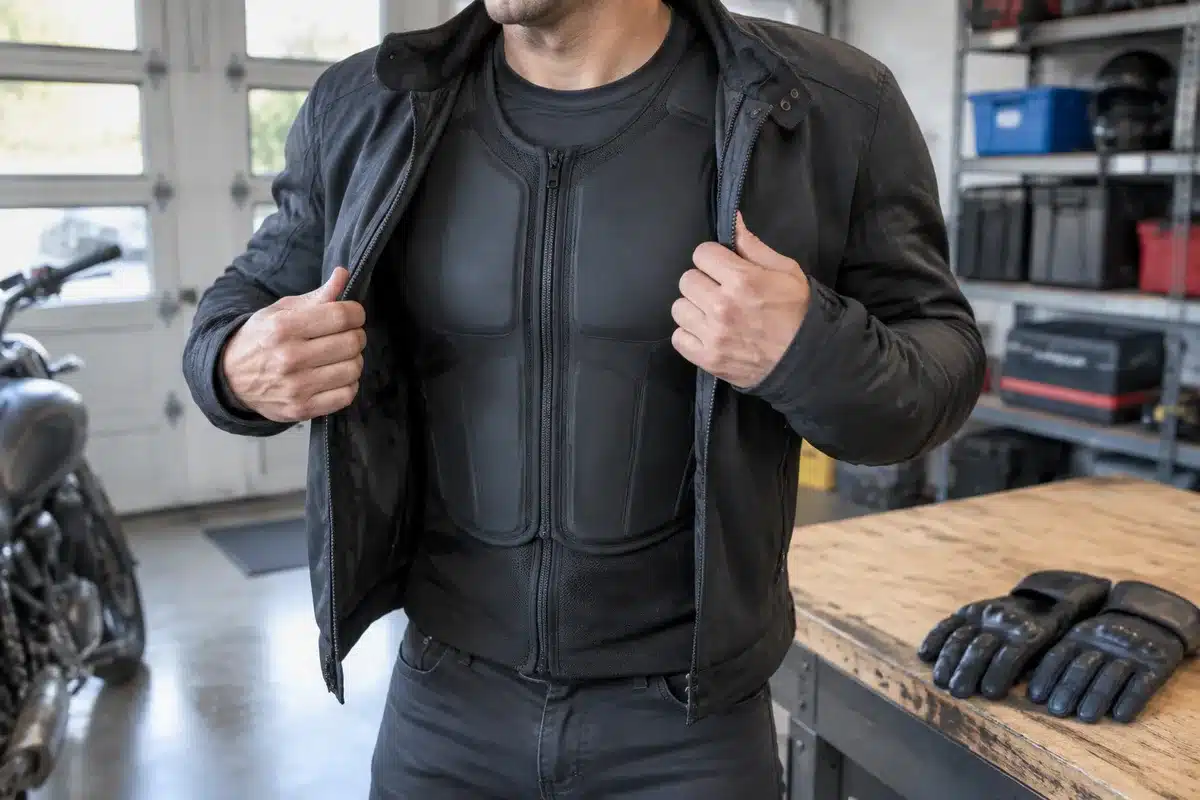
A preview of the Alpinestars Tech-Air 5 Plasma’s specs and features
A preview of the 2027 Triumph Street Triple 798 RS

Shoei still manufactures its helmets in Japan and describes the process as highly hands‑on. The company markets a Personal Fitting System at selected UK retailers that adjusts cheek pads and the headliner for a closer fit, typically adding about £50 to the purchase price.
Fit, weight and an odd quirk
The reviewer wore the Neotec 3 for roughly nine months, including 350‑mile days, and found the helmet feels robust and secure. A size Medium Neotec 3 weighs 1,715 grams without the SRL3 module — slightly heavier than the Neotec 2, which was 1,665 grams.
Fit proved broadly comfortable for the reviewer, but there is a peculiar sensitivity: wearing a thin neck buff under the helmet eliminated a pressure point over the right temple that otherwise became painful after long rides. The same small fabric made a marked difference, suggesting the helmet’s interior fit can be affected by very thin layers under the liner.
Chinbar layout and visor operation
Shoei rearranged controls on the Neotec 3’s chinbar. The visor latch has moved to the centre, positioned above the visor lock and several buttons, a cluster that some riders may find awkward to operate — particularly with gloved hands. The new visor lock requires pressing a button while lifting the visor, which can be fiddly one‑handed.
On the positive side, the main visor offers an excellent field of view and the included Pinlock keeps fogging to a minimum. However, the chin area is busier than on the Neotec 2, and the chin vent has been converted from a conventional switch to a slick plastic slider that can be hard to manipulate with gloves on.
Ventilation versus quietness
Shoei credits wind‑tunnel work for making the Neotec 3 quieter in use. The helmet does reduce buffeting and allows easier head movement at motorway speeds. Much of that noise reduction comes from reduced airflow: tightening the chin curtain and channelling has helped lower noise but also limits ventilation.

The reviewer removed the chin curtain to improve breathing comfort; even with vents open and the curtain removed, the helmet remained relatively quiet, though wearing earplugs is still advised on long rides.
SENA SRL3: neat integration, extra cost
The Neotec 3 accepts the SENA SRL3 communications system, which integrates into the helmet without visible wiring or external housings. The SRL3 retails separately for £339 and is not directly transferable from older SRL units used with the Neotec 2, meaning owners of the previous model must buy the updated unit for the Neotec 3.
How the Neotec 3 compares with the Neotec 2
Key practical differences are subtle rather than radical. New safety rules under ECE 22.06 have contributed to a slightly wider shell for the Neotec 3. Shoei has also revised the rear spoiler, extended the internal sun visor by about 5mm, and made small changes to the helmet’s internal architecture.
Those incremental changes translate to better certification and slightly improved sun‑visor performance, but the overall riding experience will feel familiar to owners of a well‑kept Neotec 2.
Value and expected lifespan
Shoei recommends replacing helmets “after about five years of normal use,” though this is guidance rather than a strict rule. The reviewer suggests a longer useful life is plausible and offers a cost example: buying a Neotec 3 and an SRL3 adds to an initial outlay of roughly £1,000. Spread over an estimated eight years of use, that equates to about £125 per year — roughly £2.40 per week.
Verdict
On paper the Neotec 3 is an improvement: higher safety standards, quieter aerodynamics and tidy integration for comms. But the changes are evolutionary rather than revolutionary. If you already own a Neotec 2 in good condition, there is no pressing technical reason to upgrade immediately.
For riders buying a new modular helmet today, the Neotec 3 remains a strong choice. Its construction feels durable and key features — such as the Pinlock system and the SENA integration option — are well executed, even if some control placements and the chinbar clutter will frustrate a subset of users.
|
Starting price |
£599.99 |
|
Made in |
Japan |
|
Safety rating |
ECE 22.06 and P/J homologation |
|
Sizing |
XS–XXL (three shell sizes) |
|
Weight |
1,715 grams (size M) |