Show summary Hide summary
Ducati has rebuilt the Diavel for 2023, replacing the long-running 1260 L‑twin with a V4 Granturismo engine and a new chassis. The changes aim to sharpen handling and modernize the cruiser while keeping the model’s trademark straight-line punch.
A new heart and lighter frame
The headline change is the switch to a V4 Granturismo engine and a completely different frame layout. Ducati abandoned the old trellis for a lighter monocoque design that uses the engine as a stressed member. The result is a bike that is about 13kg lighter than the previous 1260 model.
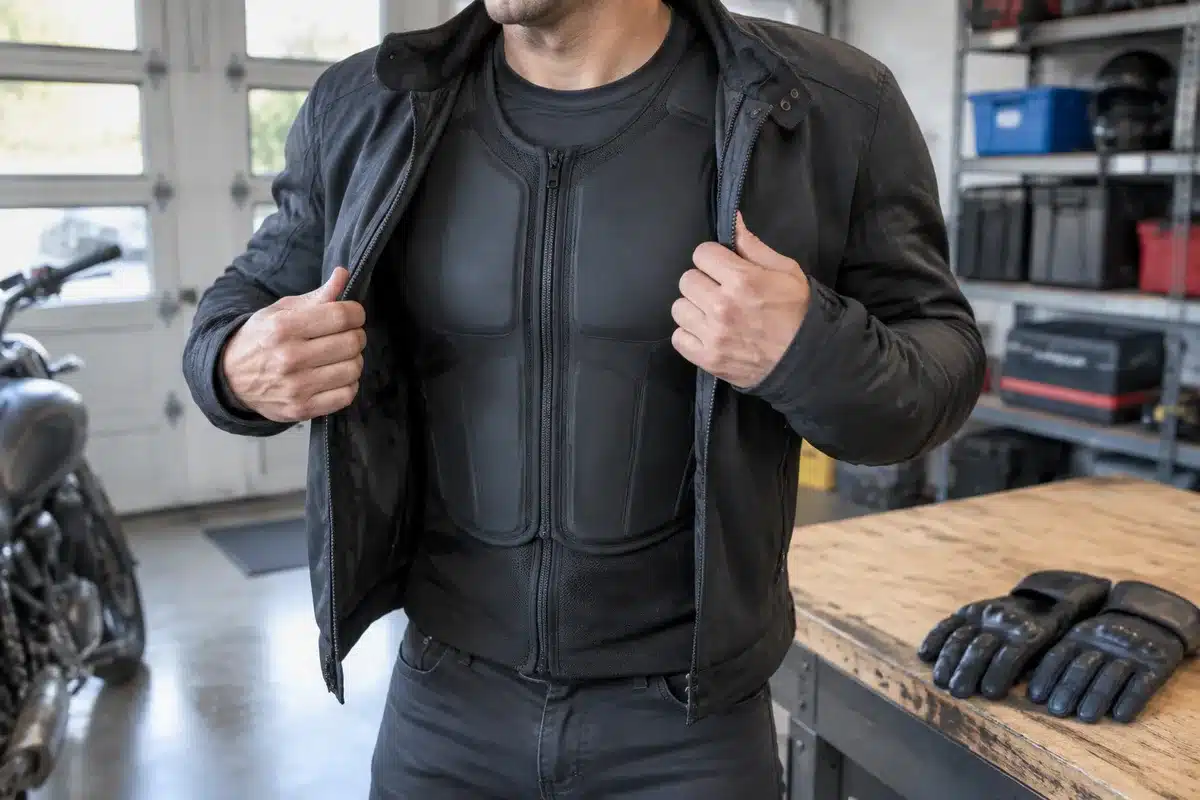
A preview of the Alpinestars Tech-Air 5 Plasma’s specs and features
A preview of the 2027 Triumph Street Triple 798 RS
On the road the weight loss is immediate. The Diavel feels more responsive and less ponderous, especially when changing direction. It still isn’t a sportbike—rider input is required to hustle it through tighter turns—but the dynamics have clearly improved.
Chassis, suspension and road manners
Suspension comes as chunky 50mm fully adjustable forks up front and a cantilever rear shock. Overall compliance is better than before; the new set‑up soaks up potholes and road imperfections with less rider tension. It’s not softer, just more refined in use.
Cornering requires effort—old habits of shifting your weight still apply—but the Diavel’s handling now edges closer to Ducati’s naked models in feel. A higher‑spec Öhlins package seems a logical future upgrade, and would likely sharpen the bike even further.
Braking and transmission
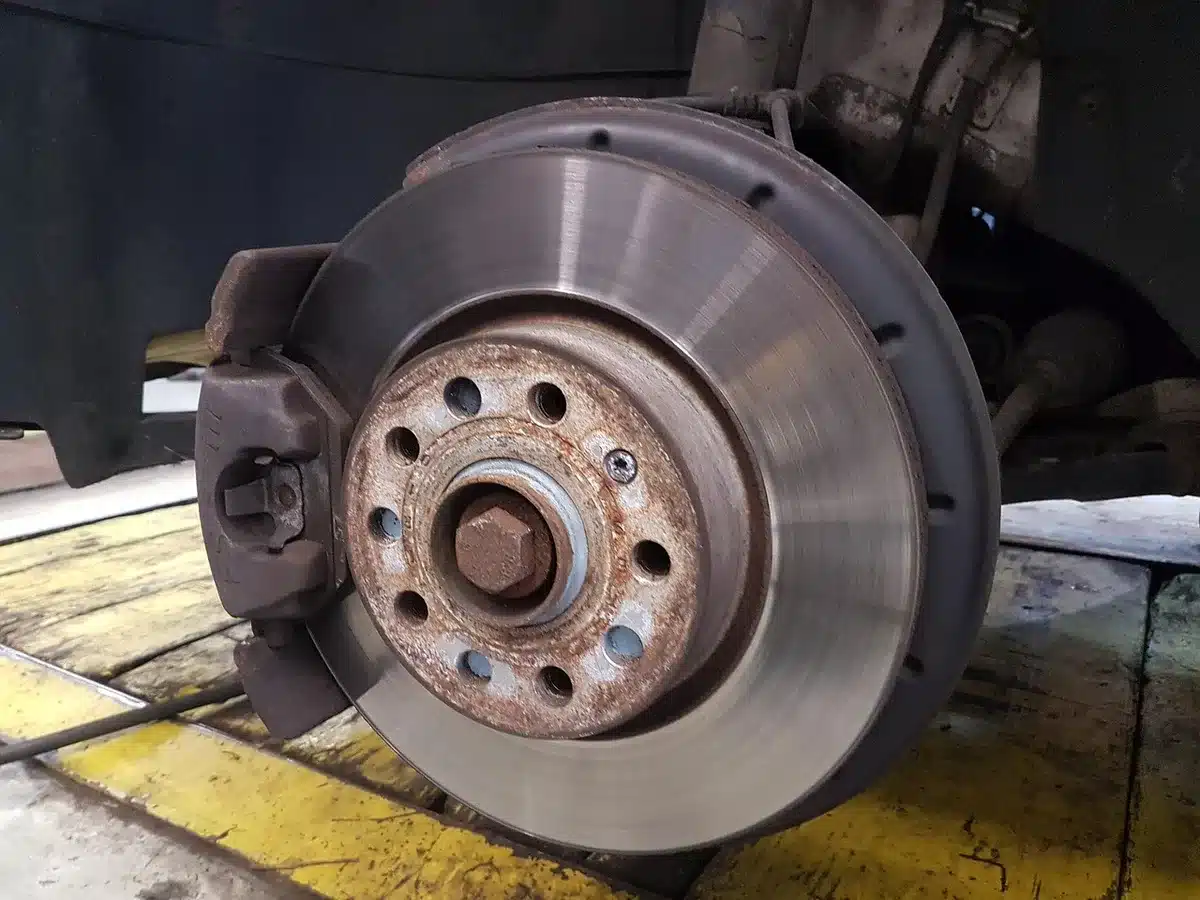
Stopping force is provided by Brembo, with top‑end Stylema four‑pot calipers working on 330mm front discs and a 265mm rear disc with a two‑piston caliper. The system delivers strong, progressive bite; the master cylinder offers powerful leverage with minimal effort.
The ABS can be noticeable on dry surfaces, prompting the reviewer to reduce some electronic intervention to better feel the brakes. The six‑speed gearbox is slick and satisfying, and the quickshifter works both up and down through the ratios. Finding neutral while stationary was also praised as a pleasant usability detail.
Power delivery and electronics
Claimed peak output for the new Diavel is 168hp, up slightly from the 1260’s 162hp, while torque is marginally lower on paper. In practice the V4 delivers a smoother low‑speed character and a stronger top‑end. Throttle response in Sport mode feels almost one‑to‑one, yet the initial opening remains smooth enough to avoid snatchy behavior at the apex of a corner.
The bike borrows a broad electronics suite from Ducati’s V4 family: four riding modes—Sport, Touring, Urban and a new Wet mode—each with tailored cornering ABS, traction and wheelie control settings. Sport and Touring open up the full 168hp; Urban and Wet are limited to 115hp. There’s also launch control for aggressive but controlled starts.
Ergonomics and practicality
Rider ergonomics have been refined: the bars sit 20mm closer, and the seat height is a relatively low 790mm, making the Diavel accessible for a wide range of riders. Wind protection is modest but improved by a small flyscreen and a slanted headlight that help deflect airflow at motorway speeds.
For touring use, optional semi‑rigid luggage is available with a combined 48‑liter capacity. The pillion provision appears less inviting on this generation, though practical touches such as rear footpegs that stow neatly under the seat keep the rear profile tidy.
Design details and price
One distinctive styling element is the LED rear lighting integrated into the pillion undertray. The compact cluster doubles as indicators and brake lights, preserving clean lines at the back of the bike. The number plate, however, ends up mounted across the large rear wheel—something the reviewer found visually intrusive and contrasted with axle‑mounted plates commonly used in the USA.
In the UK the Diavel V4 carries a retail price of £23,595 for the red finish. Ducati’s positioning remains premium; the Diavel is an aspirational model rather than a budget cruiser, aimed at riders who prioritize performance and presence over price alone.
Reviewer impressions
Having ridden the previous V‑twin Diavel extensively, the reviewer admitted initial reservations about the V4 swap. The new engine loses some of the old model’s raw, booming character but brings clear everyday advantages: smoother low‑speed behavior, stronger high‑rev pull and a chassis that feels more modern.
Those shifts translate into a Diavel that is easier to live with and more capable dynamically. The most notable gains are in handling and braking—areas where Ducati’s redesign has paid tangible dividends for the rider.