
Show summary Hide summary
The RAC says roadside petrol could drop below £1.50 a litre within weeks if retailers fully pass on recent wholesale cuts — a level last seen in March. The warning comes as global oil trades consistently under $100 a barrel, helped by easing tensions between the United States and Iran.
Why wholesale prices have eased
After months of volatility, crude oil has slid below $100 a barrel, returning wholesale unleaded to roughly the same level it was when the Iran-related conflict began at the end of February. The RAC’s analysis links the fall to reduced geopolitical pressure, rising supply and the risk of oversupply next year.
Honda Rebel 500: price in India starts at ₹4.40 lakh
Vibrating TV panel makes voices seem to come from speakers’ mouths
Still, the RAC cautions that neither the US–Iran tensions nor Russia’s war in Ukraine are resolved, and oil markets have been “extremely volatile” through 2026.
What could change at the forecourt
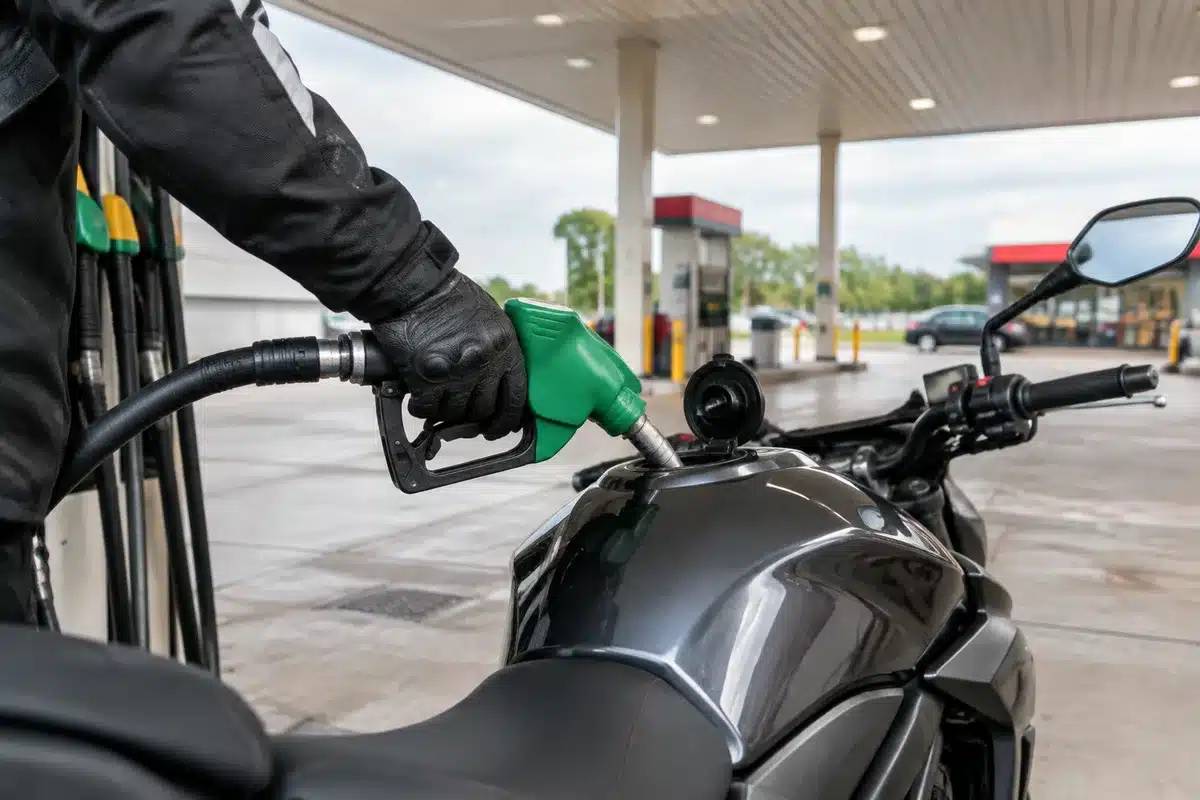
Retail pump prices have eased gradually since October’s peaks. Petrol has already fallen by about 7.8p per litre, and the UK average for unleaded sits just under 165p. If retailers pass the current wholesale savings on in full, the RAC estimates prices could drop below 150p.
The difference would be noticeable for regular riders. For example, someone filling a 17‑litre tank every week would see monthly fuel spending fall from £127.30 at the October peak to about £110.50 at 150p — roughly a £17 saving a month.
Retailers face criticism
The RAC argues the reductions seen at pumps are too slow. After one major supermarket cut its prices last Thursday, other chains followed, but the motoring organisation says the falls “should be much more dramatic across the board” given current wholesale costs.
RAC head of policy Simon Williams said drivers deserve larger, quicker savings. He pointed to a summer finding by the Competition and Markets Authority that earlier wholesale price falls were not passed on swiftly, and warned: “We fear history might be repeating itself.”
Finding the cheapest fuel
The government’s Fuel Finder scheme, launched in February, requires forecourts to report price changes within 30 minutes. That data feeds apps — including the free myRAC app — which can display the five cheapest prices within a two, five or 10‑mile radius and is open to non‑members.

The temporary 5p fuel duty cut, extended in the latest budget, is scheduled to remain in place until at least July 2027.
Timeline: how rising fuel costs have affected riders
- Oct 2025 – Pump prices rose even though wholesale oil costs were stable, prompting the RAC to accuse retailers of keeping margins higher than normal.
- Nov 2025 – Chancellor Rachel Reeves froze fuel duty until September 2026 and confirmed plans for a Fuel Finder scheme to improve price transparency.
- Feb 2026 – The government launched the Fuel Finder scheme, obliging forecourts to report price changes within 30 minutes.
- Jun 2026 – MCN readers reported altering riding and commuting habits in response to higher fuel costs linked to conflict in Iran and rising crude prices.
- Oct 2026 – The temporary 5p cut in fuel duty was extended, with Chancellor John Healey confirming it will remain until at least July 2027.
The MCN perspective
Motorcycle News readers say higher pump prices pushed some to swap four wheels for two, with many choosing bikes for commuting when prices hit around £1.70. A return toward 150p would be welcomed by riders, who hope retailers will pass on the savings in full.