Show summary Hide summary
MCN is asking readers whether Triumph should fit a full fairing to the newly introduced Street Triple 798, effectively restoring a proper Daytona to its lineup. The weekly poll invites riders and enthusiasts to weigh the trade-offs between the naked roadster’s current identity and what a faired, sportier variant might offer.
What the question means for Triumph’s range
The suggestion is straightforward: add a full front fairing to the Street Triple 798 rather than develop a separate model. That change would create a visually and functionally different variant within the same mechanical family.
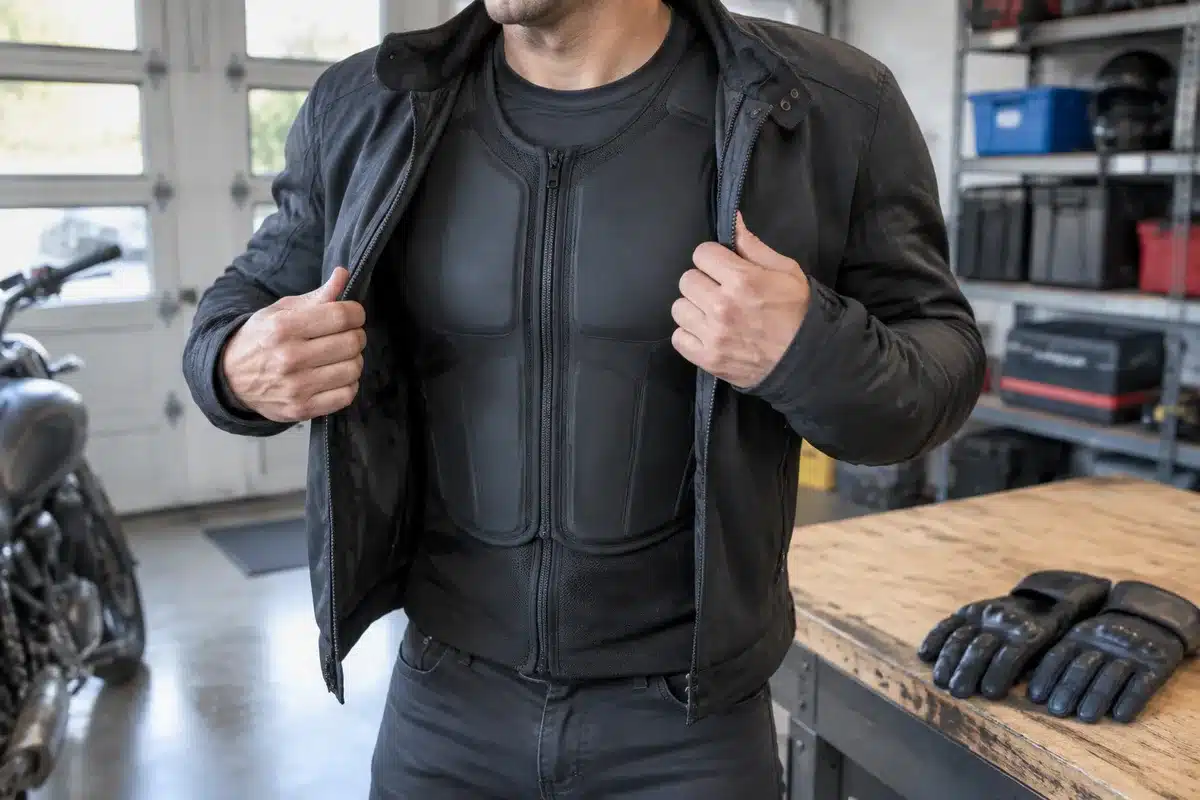
A preview of the Alpinestars Tech-Air 5 Plasma’s specs and features
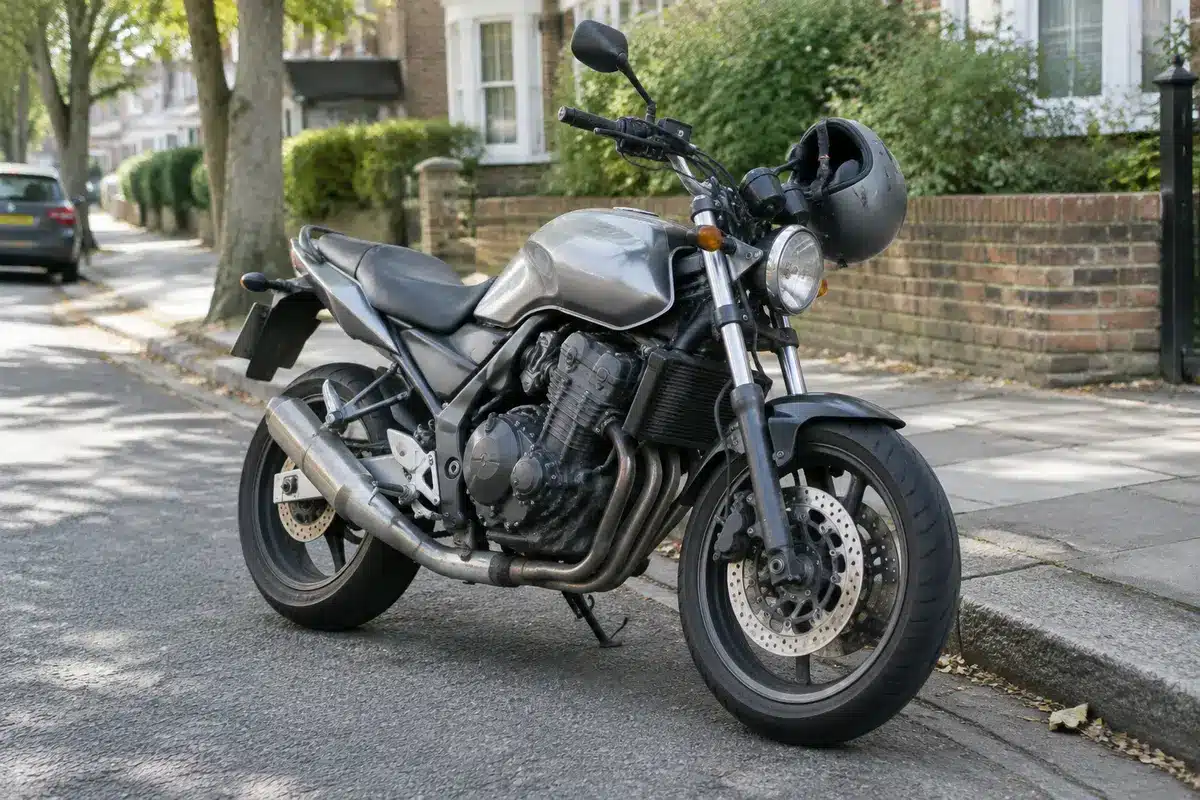
A preview of the 2027 Triumph Street Triple 798 RS
For readers, the issue is about more than styling. A full fairing alters wind protection, rider ergonomics and the motorcycle’s perceived purpose — shifting it toward sportier or sport-touring use. MCN’s poll seeks to capture whether the audience prefers Triumph to move in that direction.
Why riders might support a faired Street Triple
A number of practical reasons often drive interest in faired models. Many riders value improved wind protection on longer rides and at higher speeds. A full fairing can also change the bike’s look, giving it a sharper, more aerodynamic presence that some buyers actively seek.
Beyond comfort and aesthetics, a faired variant could broaden the Street Triple’s appeal. Riders who want sporty performance but also need a degree of touring comfort might see a faired version as a useful compromise. For dealers, a distinct styling option can help attract customers who might otherwise look at competing sportbikes.
Arguments against adding a fairing
- Preserving the core character: the Street Triple’s naked format has its own loyal following who prize nimble handling and minimalism.
- Cost and complexity: offering a faired variant adds development and production choices that could affect pricing or availability.
- Brand clarity: some riders prefer manufacturers to keep naked and fully-faired models separate, rather than adapting a single model to fill multiple roles.
What it would mean for buyers and the market
A faired Street Triple could create a middle ground for consumers choosing between naked standards and full sportbikes. It might attract riders who currently compromise on wind protection for a lighter, more agile motorcycle.
However, introducing a faired option is not simply cosmetic. Packaging, cooling, and ergonomics are all affected when a manufacturer adds a full fairing. Those factors influence whether a new variant appeals to existing customers or reaches a different audience entirely.
Reader input and editorial context
MCN’s poll captures opinion rather than technical feasibility. It reflects what readers want to see from Triumph, not what the manufacturer has announced or planned. Responses can indicate market appetite and guide discussion, but they do not substitute for official product decisions.
By asking whether Triumph should restore a “proper Daytona” look via a faired Street Triple 798, MCN frames the debate around identity and purpose: should Triumph expand the Street Triple lineup, or keep the Daytona-style role separate? The poll gathers a snapshot of rider priorities on this trade-off.