Show summary Hide summary
Harley‑Davidson has confirmed the Sprint name will return in 2026, this time built on the X440 platform. The new Sprint 440 shifts the X440’s roadster profile toward a traditional cruiser layout, a move that could broaden the model’s appeal in crowded mid‑capacity markets.
What the sketch reveals
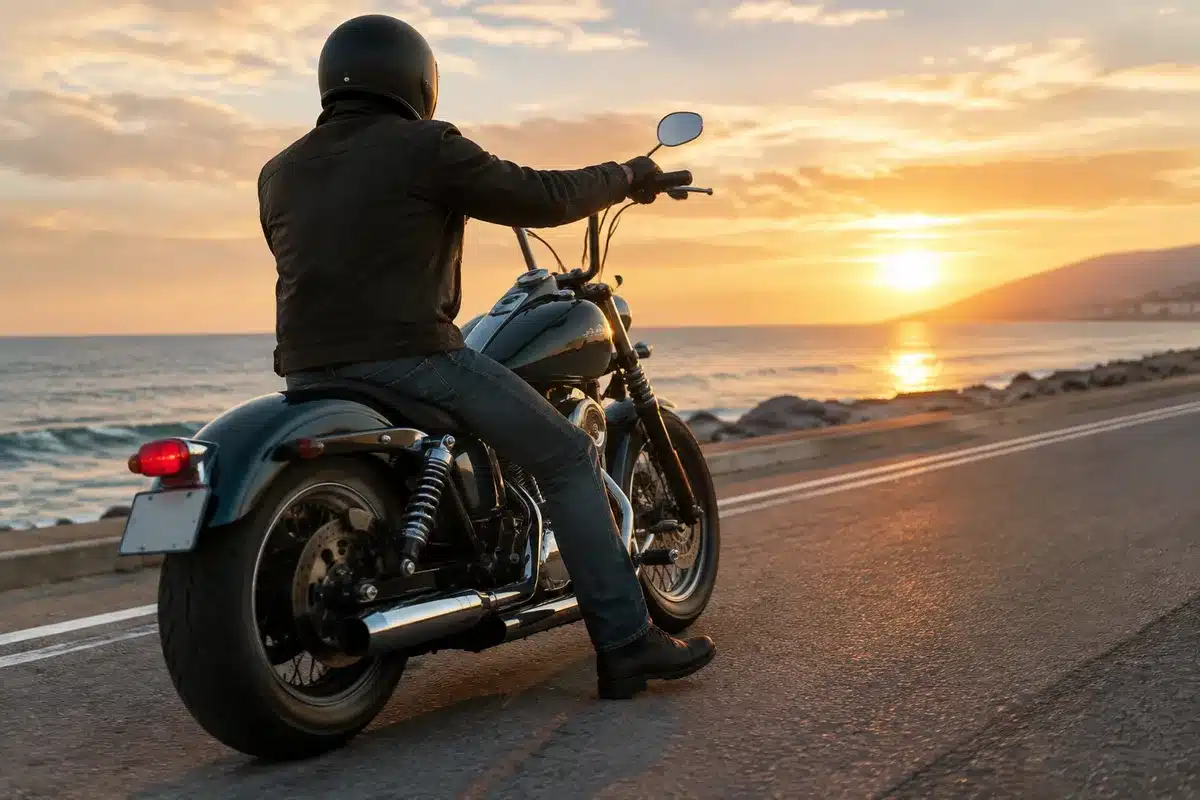
The early design sketch signals a clear stylistic pivot: a long, low silhouette with stretched proportions and cruiser cues. A teardrop fuel tank, shortened rear fender and stepped seat give the bike a classic look, while upswept bars and forward footpegs are aimed at relaxed, highway‑oriented ergonomics.
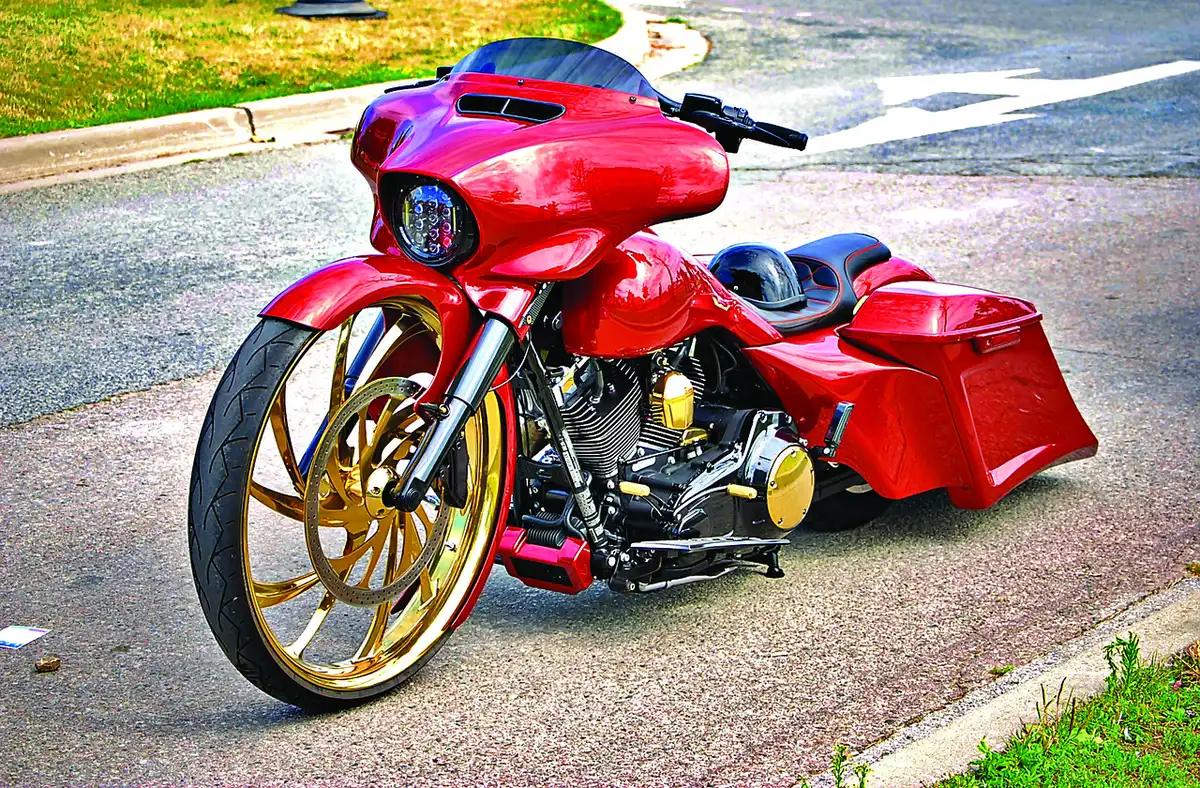
Wheel and seat details appear tuned to the cruiser formula — reports suggest a 19‑inch front and 16‑inch rear alloy setup along with a noticeably lower saddle than the X440’s listed 805mm, which should make the bike more approachable for shorter or novice riders.
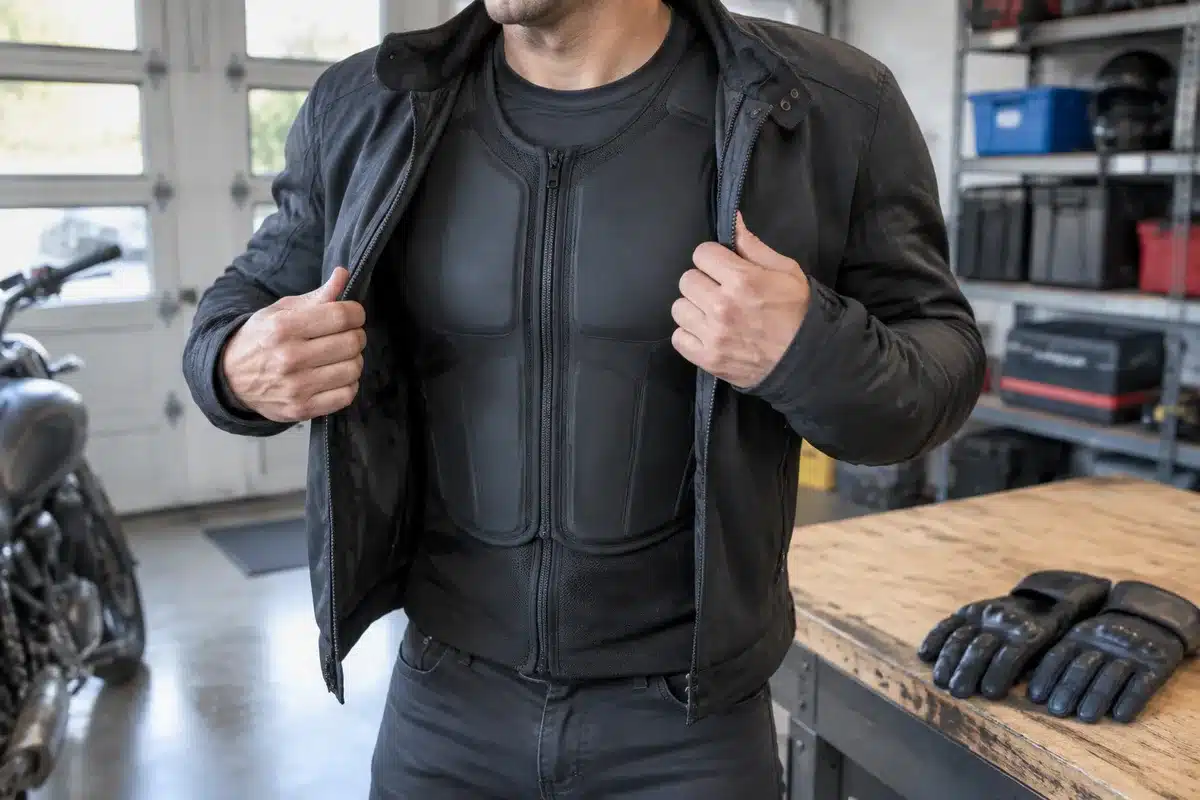
A preview of the Alpinestars Tech-Air 5 Plasma’s specs and features
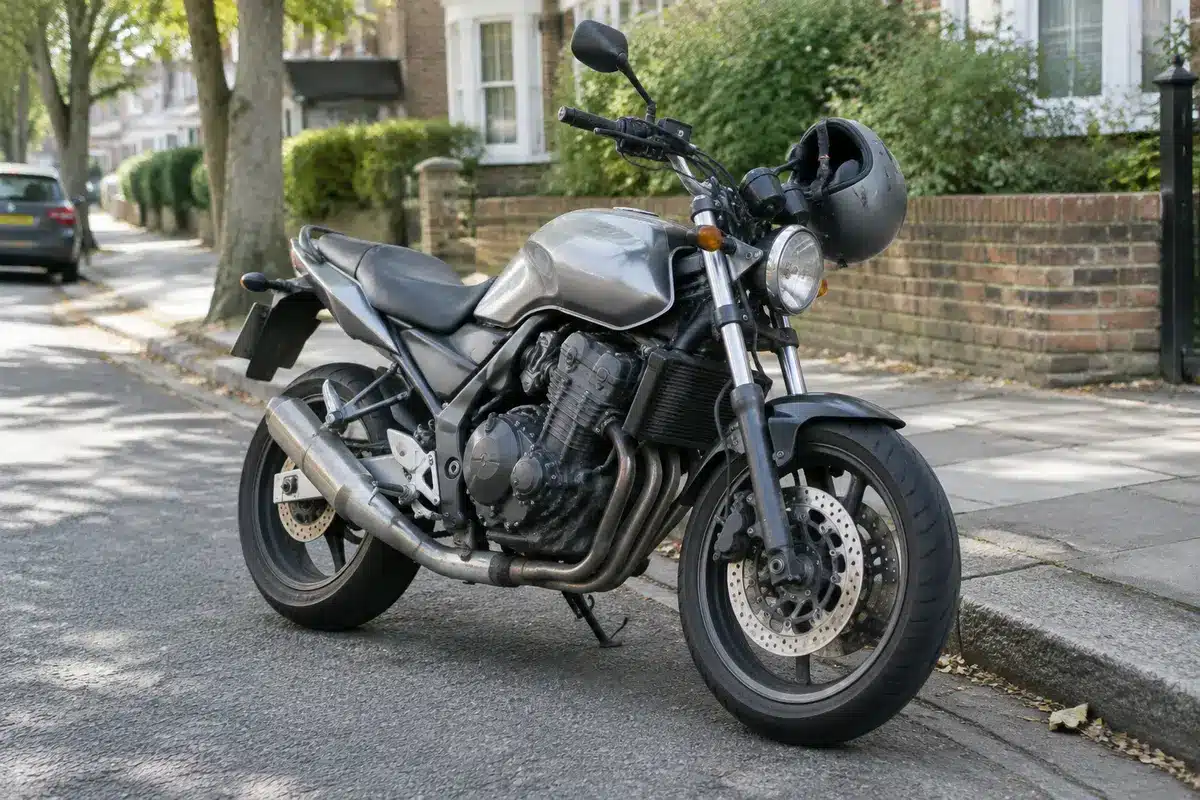
A preview of the 2027 Triumph Street Triple 798 RS
Engine and performance tuning
The Sprint 440 will use the same shared 440cc single‑cylinder, air‑and‑oil‑cooled engine underpinning the X440 line. Published figures put output at about 27 bhp and roughly 38 Nm of torque, sent through a six‑speed gearbox.
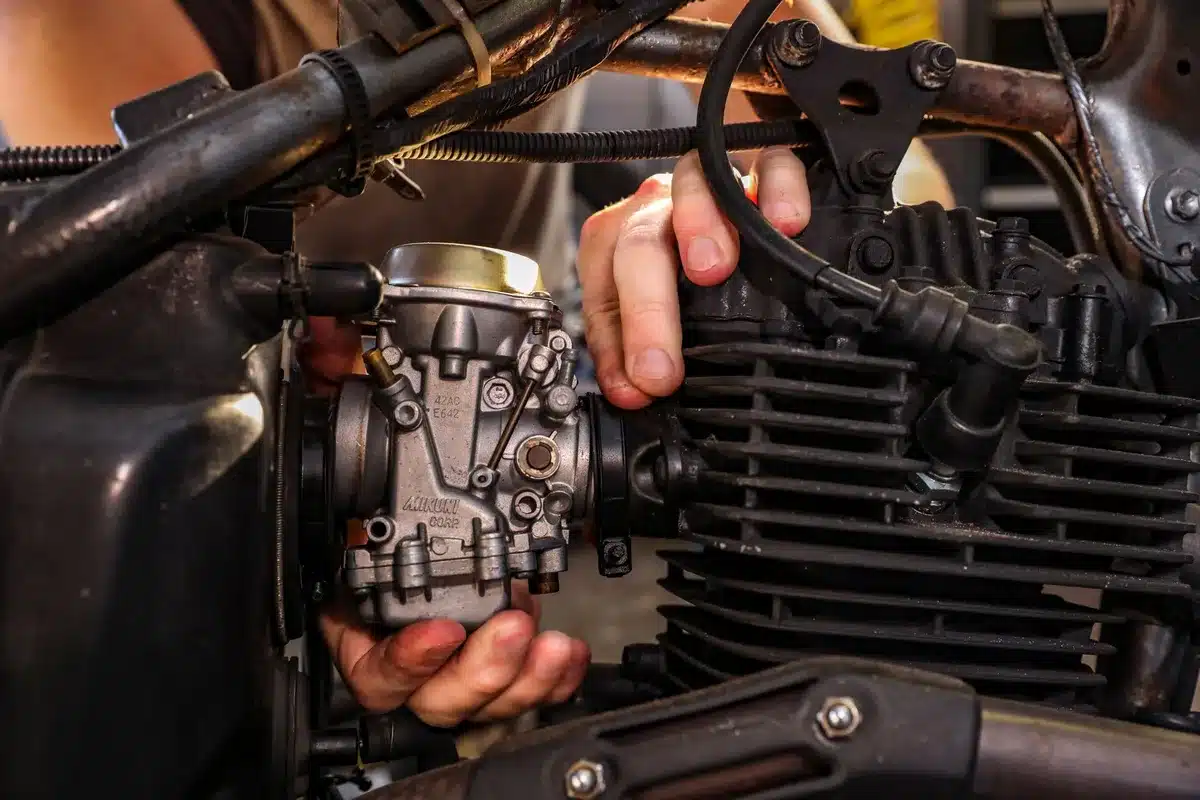
Rather than chasing peak power, the Sprint is expected to be tuned for usable low‑to‑midrange torque — a setup better suited to relaxed cruising than aggressive acceleration.
Electronics and equipment
Though Harley has not released a final equipment list, industry reporting points to a significant electronics uplift compared with the base X440. Features likely to appear include a ride‑by‑wire throttle, switchable traction control, and multiple riding modes.
The instrument cluster is expected to be a 3.5‑inch circular TFT with smartphone Bluetooth and turn‑by‑turn navigation. Safety spec reportedly includes dual‑channel ABS. Build‑quality and trim are said to borrow from the premium revisions already introduced on the X440 T variant.
Where it will sit in the lineup and who it will take on
Harley is positioning the Sprint 440 as a premium cruiser above the standard X440 roadsters. Ex‑showroom pricing is estimated in the range of ₹2,90,000–₹3,00,000, putting it up against mainstream mid‑capacity cruisers and retro models.
Market rivals named in coverage include the Royal Enfield Meteor 350, Benelli Imperiale 400 and Honda H’ness CB350. The company’s marketing push — including influencer tie‑ups and media placements — aims to make the Sprint a visible option for riders seeking a Harley badge at a lower price point.
Platform context and market headwinds
The X440 platform has already been both praised and critiqued. Some commentators argue the package outmatches the long‑selling Enfield Classic 350 on aspects such as perceived quality and reliability, while others note the X440 suffered from timing issues when it first launched, facing competition from more modern rivals like Triumph’s 400cc models.
Harley’s X440‑T upgrade introduced more than 70 changes, focusing on electronics, ergonomics and styling. That revision added features such as ride‑by‑wire, two ride modes (Road and Rain), switchable traction control, switchable rear ABS, an XR1200‑inspired tail, bar‑end mirrors and a ribbed seat.
Operationally, the model has not been immune to practical issues. Owners in coastal areas have reported corrosion on small fasteners and joints, and there are isolated supply constraints for slow‑moving replacement parts, though common consumables are generally available.
The broader market is also affected by tax policy shifts: the piece notes a government decision that raised GST on two‑wheelers above 350cc to 40%, a move that analysts say can depress demand for higher‑capacity motorcycles.
What buyers should expect
If reports hold true, the Sprint 440 will aim to deliver cruiser styling and a more relaxed ride without changing the core 440cc mechanical package. For cost‑conscious riders who want the Harley name with contemporary electronics and a lower seat height, the Sprint could be an attractive alternative to both traditional roadsters and the competition from other manufacturers.
Reporting and feature details in this article are based on coverage by Ujjwal Dey, Associate Editor at Bikernet.com, and industry sources cited in that reporting.