
Show summary Hide summary
Realbotix, a Las Vegas start‑up, is taking a staggered approach to consumer humanoids by launching four upper‑body models first and postponing full ambulatory robots. The company says the aim is to make social robots more affordable while core mobility technology continues to mature.
Four personalities, no legs (yet)
Realbotix unveiled four models — **Aria**, **Mila**, **Dave** and **Amar** — that are effectively armless torsos with animated heads and hair. The company describes each with a distinct persona: the site frames the women as nurturing listeners and the men as either witty or steady. Realbotix says the heads and faces are capable of movement and that each model is trained with a different personality profile.
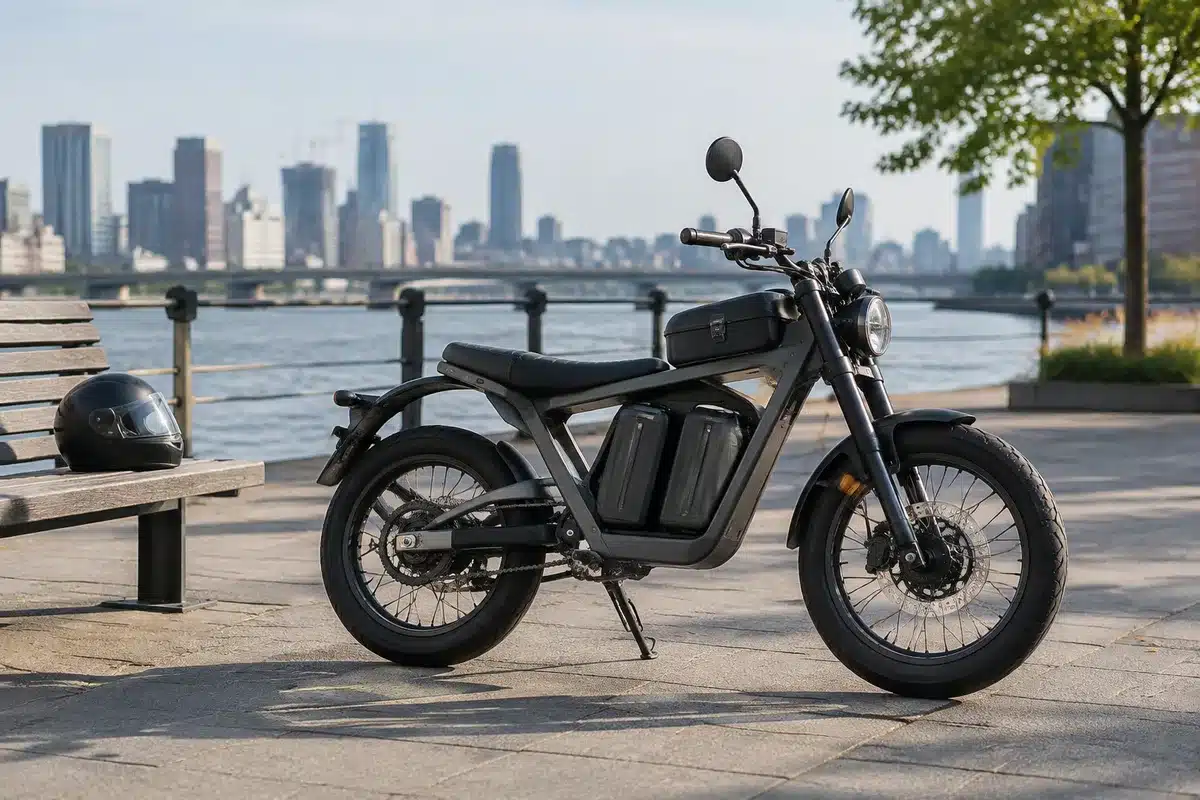
Maeving RM1S tested for urban and suburban commuting
Smart photographic device identifies 11,000 bird species

Realbotix positions this head‑and‑torso strategy as a cost and timing compromise. The firm notes that full locomotion, articulated joints and dexterous fingers remain technically challenging and expensive, which delays consumer‑ready, legged humanoids.
How much they cost — and how to reserve one
The entry option is a **tabletop** model priced at US$11,950. By contrast, Realbotix projects a future full‑body humanoid with legs will cost about US$59,950. To reserve any model now requires a US$199 deposit.
The company warns the deposit is non‑refundable if a buyer changes their mind, but it says the fee will be returned if Realbotix fails to deliver production units.
Limited first run and delivery plans
Realbotix has disclosed tight initial volumes: it plans to produce 225 tabletop units and 25 complete‑body humanoids for shipment next year. The firm expects to begin fulfilling orders in early 2027 and will display the Echo range at **CES 2027** in Las Vegas in January.
Shipping is currently limited to the United States, and Realbotix indicates tabletop units will be shipped later in 2027, potentially with additional shipping charges.
Subscription model and conversation limits
All Echo owners must subscribe to keep interacting with their robots. The base subscription costs US$19.99 per month and covers a reported **10 hours** of conversation. A mid‑tier “Plus” plan is US$39.99 for **40 hours** a month and adds more expressive voices and additional languages and accents. An “Enterprise” tier, priced at US$199, provides **100 hours** and tools to create custom AI characters and other add‑ons.

Realbotix describes the subscription tiers as a way to scale functionality; the company has not published detailed technical documentation about the underlying AI for the Echo models.
Software mix and open questions
The Echo robots are said to combine models from third‑party providers, including **ChatGPT**, **Claude** and **Gemini**. Beyond that, Realbotix’s public materials focus on user experience and personality rather than in‑depth technical specifications.
Because none of the models are in customer hands yet, reviewers and prospective buyers must rely on the company’s claims for now. Realbotix’s CEO, Andrew Kiguel, described Echo as “a major step forward in Realbotix’s mission to improve human lives through social robots,” saying the products are being developed to support companionship, education and wellness.
Design framing and target use
Realbotix markets the Echo line primarily as social companions rather than functional assistants. The company states Echo robots are intended to “look, sound, and connect like people, not cyborgs,” and emphasizes roles such as companionship and wellness support.
Whether that positioning will sway consumers is uncertain; Realbotix’s early production run and subscription structure suggest the company is testing market appetite while core mobility features continue to be developed.